
Mon - Sat 7:00 am to 7:00 pm
Dumpster Rental Placement in Houston, TX: What You Need to Know
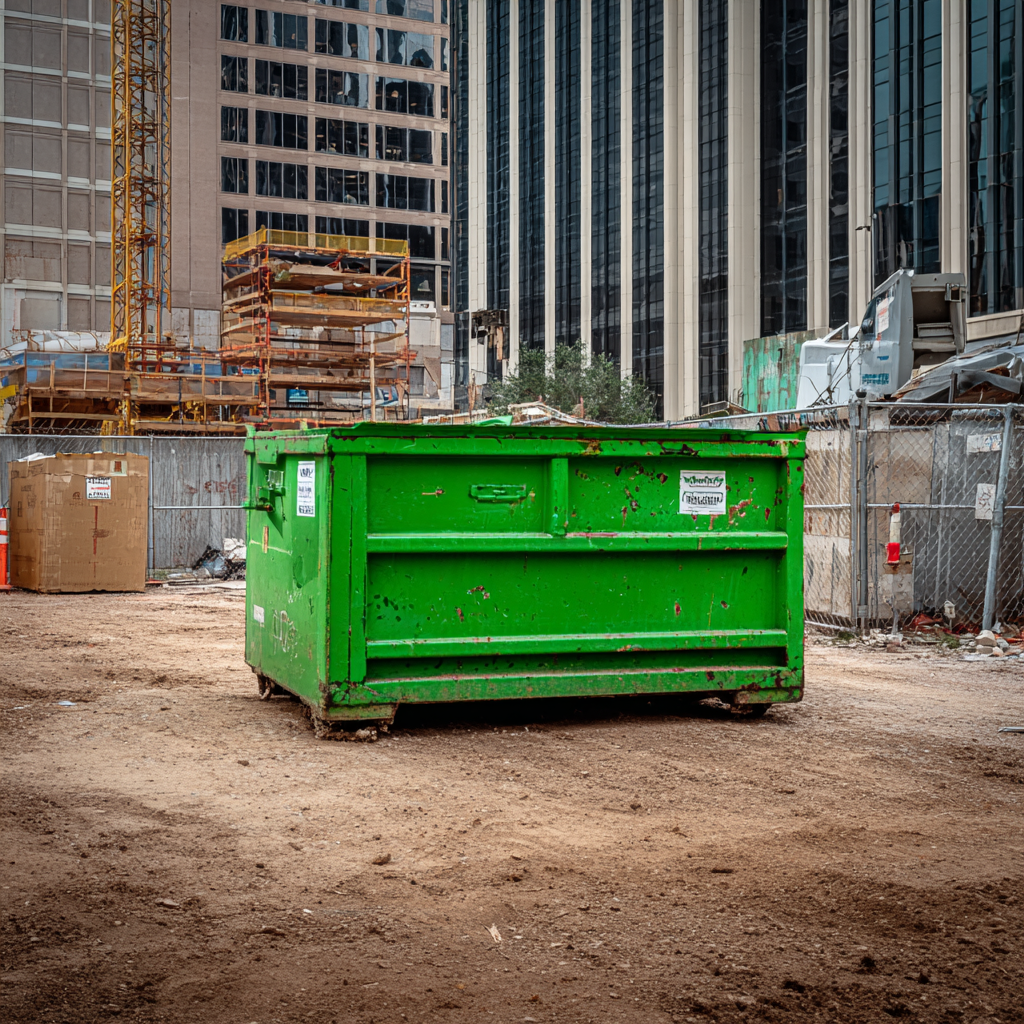
Getting dumpster rental placement in Houston, TX right is more involved than most renters expect. Whether the project is a residential renovation in Katy, a commercial buildout in Midtown, or an industrial job near the Ship Channel, placement decisions shape how smoothly the entire rental goes. Sorting out the details before delivery day keeps projects on schedule and avoids compliance issues after the container arrives.
Prime Dumpster coordinates roll-off dumpster rentals across the Houston area for construction projects, events, disaster recovery, and commercial work. We put together this guide to cover the placement considerations that matter most across Houston’s industries, neighborhoods, and project types.
Fast Facts: Dumpster Placement in Houston
We asked the Prime Dumpster Pros the placement questions that come up most often for Houston-area rentals. Here’s what they had to say. If you’re ready to rent a dumpster in Houston, these answers will help you get placement right before delivery day.
Do I need a permit to place a dumpster in Houston?
“It depends on where the container is going. Private property — a driveway, job site lot, or private parking area — generally doesn’t require a city permit as long as the container stays fully on that property. Street or sidewalk placement is a different situation.”
“Houston requires a Right-of-Way permit for any container placed on public property, including streets, sidewalks, and alleys. The city also requires a Combustible Waste Storage permit for commercial properties with roll-off containers over 50 cubic feet. The Houston Permitting Center handles both types of applications.”
What if my project is in an unincorporated area outside Houston city limits?
“A lot of the Houston metro sits outside city limits in unincorporated Harris County or in separate municipalities like Pasadena, Pearland, or Sugar Land. Each of those areas has its own rules, and some have no permit requirement at all for private property placement.”
“The safest approach is to confirm requirements with the local jurisdiction before booking. What applies inside Houston proper doesn’t automatically apply in the surrounding communities, and the difference can affect both your timeline and your costs.”
How do HOA communities affect dumpster placement in Houston?
“Houston’s master-planned communities — places like The Woodlands, Cinco Ranch, and Bridgeland — often have their own restrictions on dumpster placement that go beyond city rules. Duration limits, required screening, and approved placement zones are all common.”
“Getting written confirmation from the HOA before scheduling delivery prevents situations where a container has to be moved or removed mid-project. It’s a quick step that saves a lot of disruption.”
What are the basic placement requirements for street placement in Houston?
“Street placement in Houston typically requires reflective tape or barricades on the street-facing side of the container. The dumpster can’t block fire hydrants, drains, or emergency access routes, and it needs to stay clear of intersections and corners.”
“ROW permits in Houston are generally issued in seven-day increments. If the project runs longer, the permit needs to be extended. Building that timeline into the booking conversation upfront avoids a scramble when the first permit period expires.”
Dumpster Sizes for Houston Projects
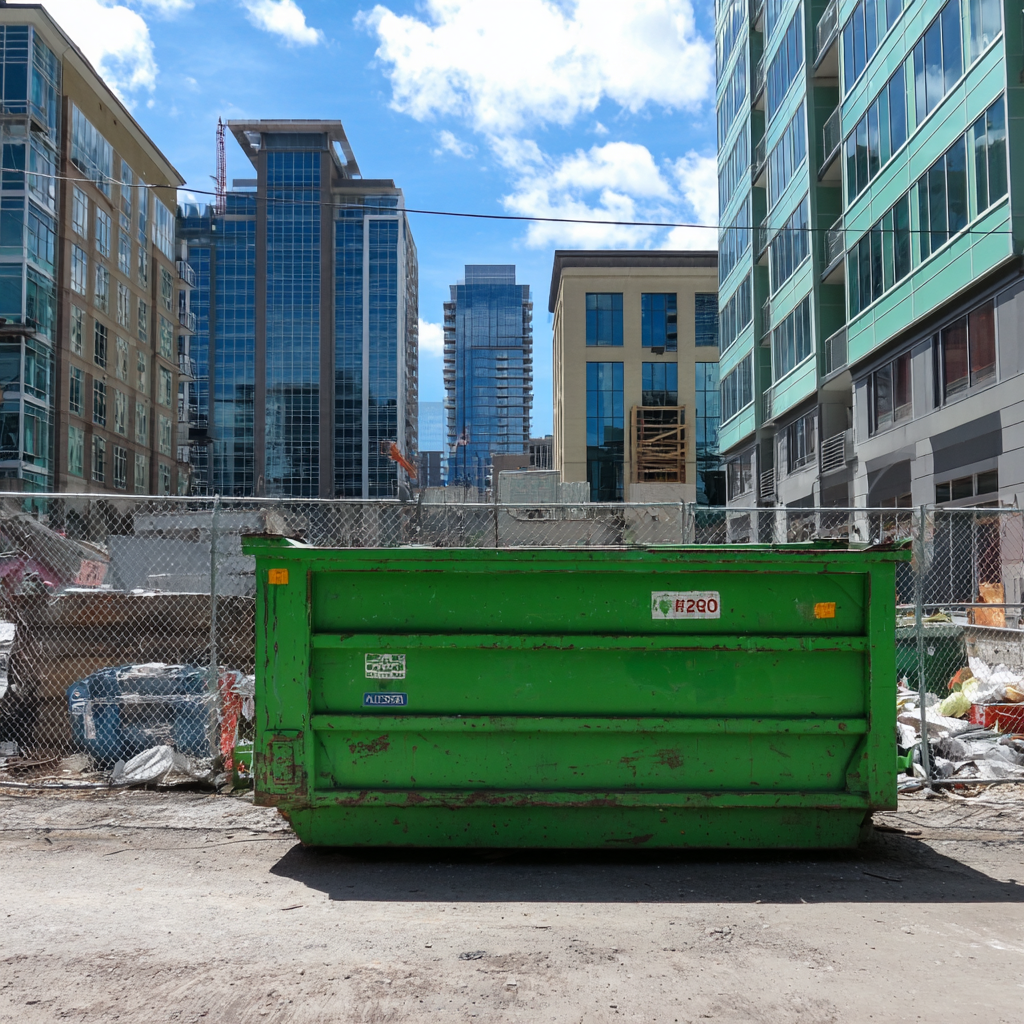
Houston projects range from single-room residential cleanouts to large-scale industrial work, and container size affects both cost and placement logistics. Here’s a look at standard roll-off sizes and common uses across the Houston market.
| Size | Price Range | Common Uses |
| 10-Yard Dumpster | $399–$499 | Concrete removal, small cleanouts, heavy debris |
| 15-Yard Dumpster | $449–$569 | Bathroom remodels, garage cleanouts, landscaping |
| 20-Yard Dumpster | $499–$649 | Roofing, multi-room renovations, estate cleanouts |
| 30-Yard Dumpster | $599–$799 | Large renovations, commercial construction, event waste |
| 40-Yard Dumpster | $699–$899 | Major demolition, industrial projects, disaster recovery |
Prices reflect general estimates for standard rentals. Actual costs vary based on debris type, weight, rental duration, placement location, and demand across the Houston metro.
Placement for Construction Sites
Houston’s construction sector spans some of the most demanding job site environments in the country, and placement logistics vary significantly across project types.
Oil and Gas Facility Maintenance and Turnarounds
Refineries and petrochemical facilities along the Houston Ship Channel operate under strict safety protocols that govern where equipment can be staged. Designated lay-down areas, exclusion zones, and active process equipment all limit where a container can go.
“Turnaround projects generate a concentrated volume of debris in a short window, and placement has to be coordinated with the facility’s safety team well before the job starts,” says the Prime Dumpster Pro. “Getting container location approved through the proper channels during the planning phase prevents delays once the work begins.”
Learn even more here: Dumpster Rental for Houston Oil and Gas Projects
Port and Logistics Center Projects
Construction and renovation work at port facilities near Bayport and Barbours Cut happens alongside active freight operations. Delivery truck routes, crane swing zones, and container yard traffic all affect where a roll-off can safely sit.
Coordinating placement timing with site logistics managers keeps the container from becoming an obstacle to port operations. Scheduling delivery and pickup during shift transitions or low-traffic windows reduces conflict with active freight movement.
Medical Center and Healthcare Campus Renovations
Houston’s Texas Medical Center is the largest medical complex in the world, and renovation projects there involve placement constraints that don’t exist on standard job sites. Patient access routes, ambulance lanes, and infection control zones all restrict where debris can be staged.
Working out placement details with the facility’s operations team before delivery day is essential. A container positioned without accounting for those requirements can affect patient care and trigger compliance issues simultaneously.

Placement for Events
Houston hosts some of the largest events in the country, and waste removal logistics vary significantly depending on venue type and event scale.
Rodeo Houston and Large Stadium Events
The Houston Livestock Show and Rodeo draws over a million attendees across its three-week run. That volume of foot traffic generates waste across vendor corridors, concession areas, and public gathering zones simultaneously.
Containers need to be staged at primary waste generation points before the event opens. Mid-event pickups at high-traffic zones work better than waiting for a single end-of-event removal. Booking well in advance is essential — major Houston events create surges in container demand that tighten availability across the metro quickly.
Festival and Outdoor Events
Outdoor events along Buffalo Bayou, in Hermann Park, and across Houston’s neighborhood festival circuit require placement coordination with park and venue management before containers are delivered. Public green spaces have their own rules about where heavy equipment can be staged.
Container placement on grass or soft ground requires protective boards to prevent surface damage. Access routes for delivery trucks need to be confirmed ahead of time, as many park settings have width or weight restrictions on interior roads.
Neighborhood Cleanup Events
Community cleanup events across Houston’s diverse districts range from small block efforts to large-scale neighborhood initiatives. Container placement for these events typically happens on public streets, which triggers the city’s right-of-way permit requirement.
Coordinating permit timing around the event date is critical. ROW permits in Houston are issued in seven-day increments, so aligning the permit window with the cleanup date prevents a gap between approval and delivery.
Placement for Disaster Recovery
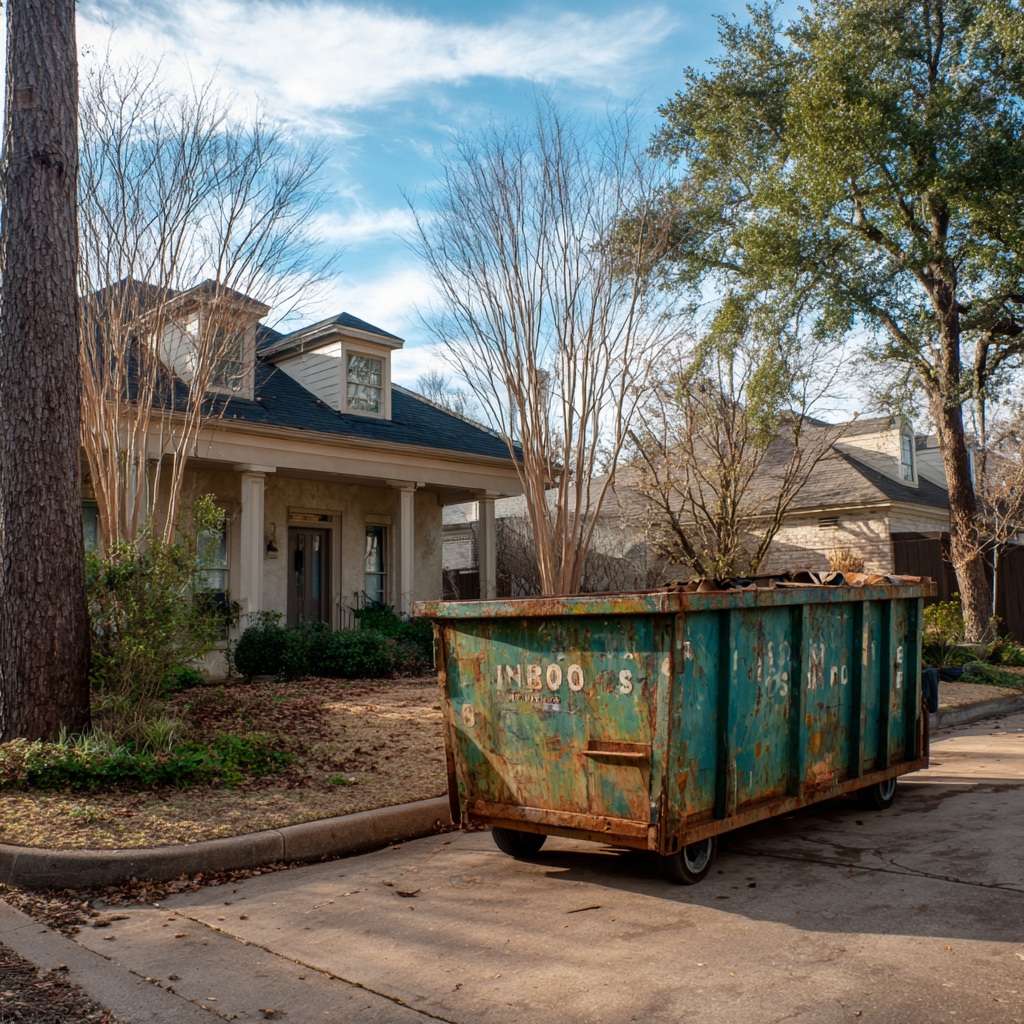
Houston’s history with hurricanes, tropical storms, and flooding makes disaster recovery one of the most demanding roll-off rental scenarios in the region.
Hurricane and Tropical Storm Debris Removal
Major storms generate debris volumes that overwhelm standard container logistics. Damaged roofing, structural materials, furniture, and general household debris all accumulate at the same time across entire neighborhoods.
Demand for roll-off containers spikes immediately after a storm event. Booking early in the recovery window, before demand peaks, gives homeowners and contractors the best access to available container sizes. Larger 30 and 40-yard units move fastest after major storms across the Houston metro.
Flooding Recovery
Flood-damaged debris presents placement challenges beyond standard storm cleanup. Waterlogged materials are significantly heavier than dry debris, which affects weight limits and container sizing decisions.
A 10-yard dumpster is the only practical option for heavy, saturated materials like soaked drywall, flooring, and insulation. Placing a container on ground that is still soft or saturated after flooding also requires protective boards to prevent the container from sinking or shifting during the rental period.
Post-Storm Construction Waste
The construction surge that follows a major Houston storm creates sustained demand for containers across roofing, structural repair, and interior rebuild projects. That demand runs for months after the initial event as contractors work through the backlog.
Contractors managing multiple post-storm jobs benefit from coordinating all container logistics through a single provider. Consistent scheduling across multiple sites reduces downtime between jobs and keeps debris from accumulating on properties still waiting for repair work to begin.
Get Help With Dumpster Placement in Houston
Dumpster rental placement in Houston, TX, affects every part of a rental, from permit requirements and delivery logistics to project timelines and compliance. Whether the project is an industrial turnaround near the Ship Channel, a community event, or storm recovery work across a neighborhood, getting placement right before delivery day makes everything else run smoother. Contact our team to coordinate roll-off container service for your Houston project.
If you are looking for Do You Need a Dumpster Rental Permit in Cincinnati?, Click Here
Recent Posts


Follow Us
Have any questions?
+1 844 853 3867
Give us a call today so we can help you find the right waste & sanitation solution for
your project!
Contact Us