
Mon - Sat 7:00 am to 7:00 pm
Dumpster Rental Regulations in Miami, Florida: What You Need to Know
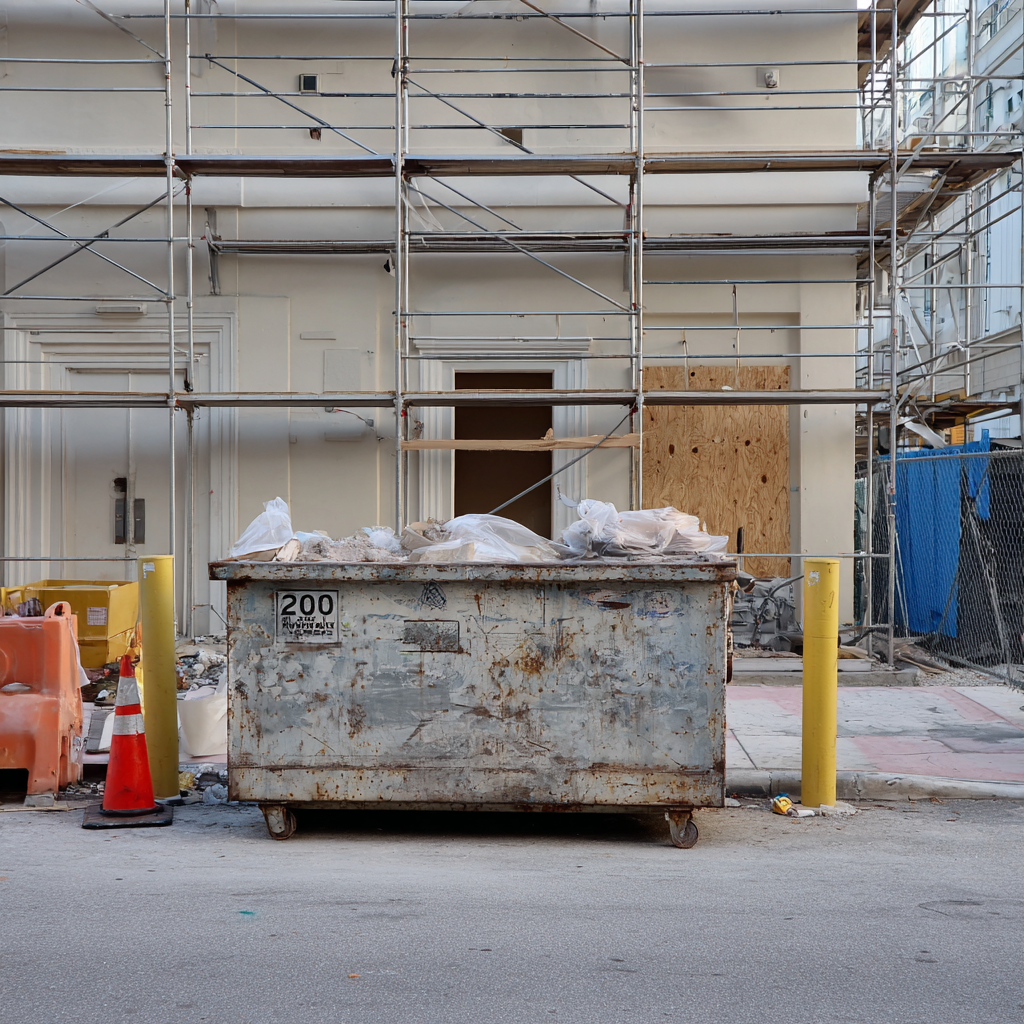
Miami’s density, active code enforcement, and layered permitting landscape make it one of the more complex dumpster rental markets in the country. Where a container is placed, how long it sits, and what goes inside it are all subject to rules that vary across the City of Miami, Miami-Dade County, and a number of independent municipalities within the metro. Getting those details right before delivery keeps your project on track and avoids fines.
Prime Dumpster has put together this guide to dumpster rental regulations in Miami, Florida to help renters, contractors, and property managers navigate local requirements with confidence. We cover permit triggers, prohibited materials, weight limits, time restrictions, and practical steps for staying compliant from delivery to pickup.
Fast Facts: Dumpster Rental Regulations in Miami, FL
Miami’s regulatory environment is more involved than most markets, and knowing the rules before you book saves time and money. Whether you’re planning a home renovation in Coral Gables or a commercial project near Brickell, here are answers to the questions we hear most often about renting a dumpster in Miami.
When does placing a dumpster in Miami require a permit?
“Any container placed on a public street, sidewalk, or right-of-way in the City of Miami requires a permit. Placement entirely on private property, like a driveway, private lot, or job site, typically doesn’t. The line between the two isn’t always obvious in a dense urban market, so confirming placement before delivery is worth the extra step.”
How does Miami’s density affect where a dumpster can go?
“In most markets, the driveway is the default placement option. In Miami, tight lots, shared driveways, and condo buildings with limited staging space often make street placement unavoidable. That means permits come into play on projects where renters in less dense markets wouldn’t need to think about them at all.”
What happens if a dumpster is placed without the required permit in Miami?
“Miami-Dade code enforcement is active, and unpermitted containers on public right-of-way can result in fines and forced removal. Removal on a code enforcement timeline doesn’t account for whether your project is finished. Getting the permit in place before delivery is always the better path.”
Do the rules change depending on which Miami municipality the project is in?
“They can. Coral Gables, Miami Beach, and Hialeah all operate their own permitting processes and have their own enforcement priorities. A project just across a municipal boundary from the City of Miami may follow an entirely different set of rules. Confirming jurisdiction before you book is an important first step.”
When You Need a Permit in Miami
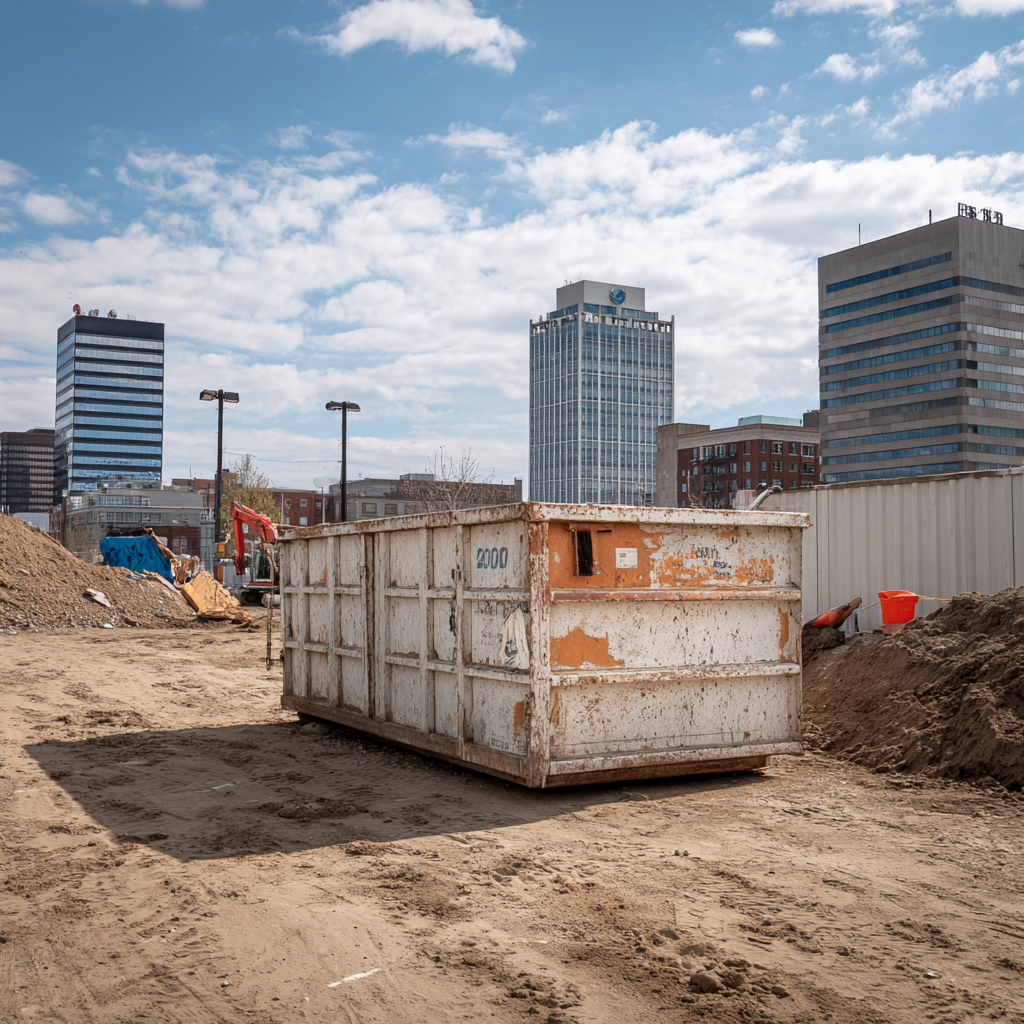
Permit requirements in Miami depend on where the container will sit. The distinction between private property and public right-of-way drives most permitting decisions, but Miami’s density and its patchwork of independent municipalities add layers that don’t exist in simpler markets.
Private Property Placement
A dumpster placed entirely on private property in Miami typically does not require a city permit. That covers driveways, private parking areas, and active job sites with controlled access. In practice, confirming that the full footprint of the container stays on private property is worth doing before delivery day, particularly on tight urban lots where the line between private and public space is easy to miscalculate.
Condo buildings and multi-family properties introduce additional considerations. Even if placement is technically on private property, building management or a condo association may have its own approval process. Getting that clearance before booking avoids conflicts after the container has already been delivered.
Miami is home to a wide range of senior living and nursing home facilities, and these properties often have internal placement requirements and compliance considerations that go beyond standard city permit rules. Facility managers and contractors working on these campuses can find more information here: Dumpster Rental for Senior Living Facilities in Miami.
Public Right-of-Way Placement
Placing a container on a public street, sidewalk, or alley in the City of Miami requires a permit issued through the city’s permitting process. Applications are handled through the City of Miami Public Works Department, and processing times vary. Submitting the application at least five to seven business days before the planned delivery date provides a reasonable buffer. The permit will typically specify placement conditions, including requirements for reflective markings and distances from fire hydrants and crosswalks.
Miami-Dade County has its own permitting process for unincorporated areas and county-maintained roads. Projects near county right-of-way should confirm which jurisdiction applies before submitting an application.
Special Zones and Historic Districts
Several municipalities within the Miami metro operate entirely independent permitting processes. Coral Gables, Miami Beach, and Hialeah each have their own public works or building departments and their own requirements for temporary container placement. A project just across a municipal boundary from the City of Miami may follow a completely different process with different fees and timelines.
Miami’s historic districts add another layer. Placement near protected structures or within designated historic zones may trigger additional review requirements. Coconut Grove and the Brickell historic corridor are examples of areas where contractors should confirm requirements early rather than assume standard city rules apply.

What Can and Can’t Go in a Dumpster in Miami
Florida state regulations and Miami-Dade County rules both govern what materials can enter a standard roll-off container. Most construction and household debris qualifies, but several common categories require separate disposal.
Accepted Materials
Standard roll-off containers in Miami accept a wide range of materials. General construction debris including drywall, lumber, flooring, roofing materials, and insulation is accepted.
Household junk, furniture, appliances without refrigerants, and yard waste are also accepted under standard rental terms. Renovation materials from residential and commercial projects make up the bulk of what rolls into containers across the metro.
Prohibited Items
Florida regulates a specific set of materials that cannot enter the standard waste stream. Placing prohibited items in a rented container can result in additional fees when the load is processed at the disposal facility.
Commonly prohibited items include:
- Paints, solvents, chemicals, and hazardous liquids
- Electronics, batteries, and fluorescent bulbs
- Tires and appliances containing refrigerants
- Asbestos-containing materials, which require licensed abatement and separate disposal
Miami-Dade County’s older residential and commercial building stock means renovation projects have a higher-than-average chance of encountering materials that require special handling. Confirming acceptable debris types with your provider before loading prevents complications at the end of the rental.
Weight and Capacity Limits
Every type of rented roll-off dumpster comes with a weight allowance built into the base rental price, and knowing what that allowance covers before you load helps avoid overage charges at the end of the rental.
| Size | Approximate Weight Capacity | Common Materials |
| 10-Yard Dumpster | 1–2 tons | Concrete, brick, masonry, small cleanouts, single-room renovations |
| 15-Yard Dumpster | 2–3 tons | Mixed renovation debris, flooring, drywall, mid-sized cleanouts |
| 20-Yard Dumpster | 2–4 tons | Roofing materials, kitchen and bathroom remodels, general construction debris |
| 30-Yard Dumpster | 3–5 tons | Whole-house renovations, commercial buildouts, large-volume mixed debris |
| 40-Yard Dumpster | 4–6 tons | Large commercial demolition, major construction, industrial cleanouts |
Weight capacities and material uses shown above are approximate. The actual weight limit for the dumpster you rent may differ depending on the provider and local transport regulations. Confirm the specific allowance and overage rate with your rental provider before loading.
Time Restrictions for Dumpster Placement in Miami
Permitted containers placed on public right-of-way in Miami are subject to time limits tied to the duration of the permit. Most permits are issued for a set number of days, and containers remaining in place beyond that window are subject to fines and potential forced removal. Permit renewals are available in most cases but must be requested before the original permit expires.
Miami-Dade County and the city’s independent municipalities each set their own permit durations. What’s allowed in one jurisdiction may not match what’s permitted just a few blocks away in a neighboring municipality. Confirming the specific duration allowed at your placement location before delivery prevents mid-project compliance issues.
Condo associations and HOAs in Miami’s dense residential market impose additional time restrictions that operate independently of city permitting. Some associations limit how many consecutive days a container can be on the property and restrict delivery and pickup to specific hours. Confirming those rules with building management before booking saves complications once the project is underway.
Tips for Staying in Compliance
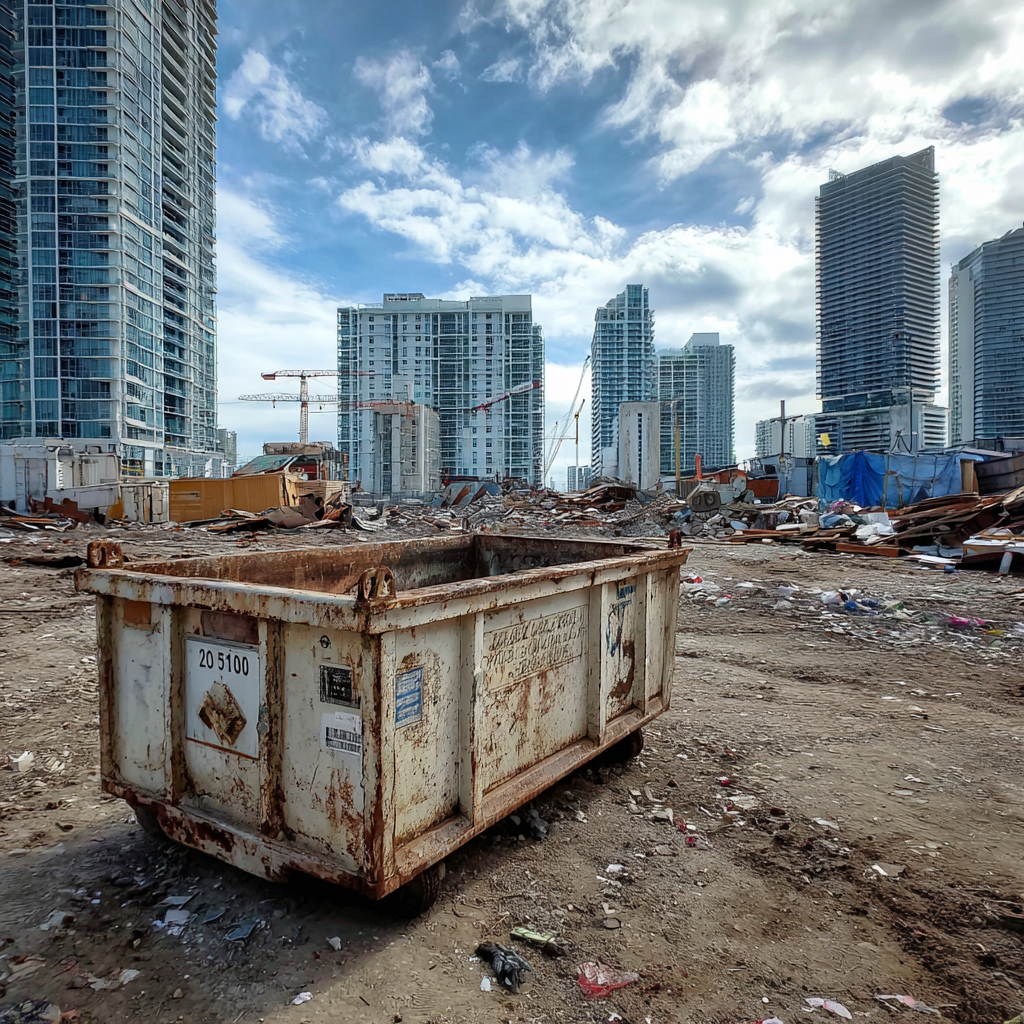
Staying compliant on a Miami dumpster rental comes down to preparation. Most compliance problems are avoidable with a few steps taken before delivery day.
- Confirm your jurisdiction early. Miami, Miami-Dade County, Coral Gables, Miami Beach, and other municipalities each have their own rules. Identifying which jurisdiction covers your placement location is the first step before any permit application.
- Apply for permits with lead time. Processing times vary. Submitting your application at least five to seven business days before your planned delivery date gives you room to handle any delays without pushing back the project start.
- Document your placement. Taking photos of the container placement on delivery day creates a record that the container sat within the permitted area. That documentation is useful if a compliance question arises later.
- Sort prohibited materials before loading. Identifying hazardous or regulated materials before they go into the container is far simpler than dealing with additional fees or rejected loads after pickup. Miami’s older building stock makes pre-sorting especially important on renovation projects.
- Communicate with your HOA or building management. Get written approval from any association or building management before booking. Verbal clearance is easy to dispute after the container has arrived.
- Build buffer time into your permit duration. Projects run long. Requesting a permit duration that includes a few extra days beyond your expected project timeline costs little and avoids the scramble of last-minute renewal requests.
A provider familiar with Miami’s regulatory environment can help flag potential issues before they become problems on your project.
Rent a Dumpster in Miami With Confidence
Dumpster rental regulations in Miami, Florida, are more layered than in most markets, but navigating them is straightforward with the right preparation. Knowing your jurisdiction, securing permits before delivery, and loading only accepted materials keeps your project compliant from start to finish. Contact our team to arrange a dumpster rental and get answers to any questions about placement, permits, or debris types specific to your Miami project.
If you are looking for Q&A with the Prime Dumpster Pros: Dumpster Rentals in Rochester, NY, Click Here
Recent Posts


Follow Us
Have any questions?
+1 844 853 3867
Give us a call today so we can help you find the right waste & sanitation solution for
your project!
Contact Us