
Mon - Sat 7:00 am to 7:00 pm
Dumpster Rental for Senior Living Facilities in Miami, FL
Miami is home to one of the largest and most diverse senior living populations in the country. The metro area supports a full spectrum of residential care options, from independent living communities in Coral Gables and Aventura to skilled nursing and memory care facilities throughout Miami-Dade County.
Prime Dumpster coordinates dumpster rentals for senior living facilities across the Miami area, working around the scheduling and placement demands that come with active residential care environments. Our guide covers the scenarios that drive roll-off container use at these facilities, how the rental process works in practice, and what facility managers need to know about placement, permits, and logistics in the Miami market.
Fast Facts: Dumpster Rental for Miami Senior Living Facilities
“Senior living facilities have waste management needs that show up on a schedule, like unit turnovers, renovation cycles, and FF and E removal. Planning around those cycles is what keeps the process from disrupting operations,” says the Prime Dumpster Pro. “The logistics at these facilities are more involved than a typical commercial job, and getting the details right before delivery matters more than it would on a standard job site.”
Dumpster rental for Miami senior living facilities follows the same general pricing structure as other commercial rentals, with container size and project scope driving the base rate. The table below reflects typical price ranges and common facility uses by container size.
| Size | Price Range | Common Facility Uses |
| 10-Yard Dumpster | $399–$499 | Single unit turnovers, small renovation projects, FF&E removal from individual rooms |
| 15-Yard Dumpster | $449–$569 | Multi-unit turnovers, wing updates, mid-sized interior renovation projects |
| 20-Yard Dumpster | $499–$649 | Common area renovations, flooring replacement, kitchen and dining updates |
| 30-Yard Dumpster | $599–$799 | Large-scale facility renovations, campus construction support, major FF&E removal |
| 40-Yard Dumpster | $699–$899 | Full wing demolition, campus expansion projects, large-volume cleanouts |
Prices reflect standard five-day rentals under typical conditions. Final pricing varies based on debris type, weight, rental duration, placement location, distance from local disposal facilities, and other factors.
Why Senior Living Facilities Need Roll-Off Dumpsters
Senior living campuses generate roll-off container demand across a wider range of scenarios than most commercial properties.
Unit Turnover
When a resident moves out, the unit typically requires cleaning, repairs, and updates before it can be reoccupied. That process generates furniture, flooring, fixtures, and personal property that exceeds what standard waste pickup can manage.
Renovation Cycles
Many senior living buildings in Miami-Dade County were constructed decades ago and require ongoing updates to meet current comfort and safety standards. Bathroom upgrades, flooring replacement, HVAC improvements, and compliance-driven accessibility modifications all produce debris volumes that require a roll-off container.
Campus Expansion and Construction
New wings, memory care additions, and ancillary building construction on existing campuses require container support across multiple project phases. FF&E removal, when a facility upgrades furnishings across an entire floor or wing, can generate enough volume to require multiple container swaps even when the physical renovation work is limited in scope.
How the Process Works
“Renting a dumpster for a senior living facility isn’t complicated, but it does require more coordination than a standard residential or commercial job,” says the Prime Dumpster Pro. “The facilities that have the smoothest experience are the ones that loop in their operations team before they call us.”
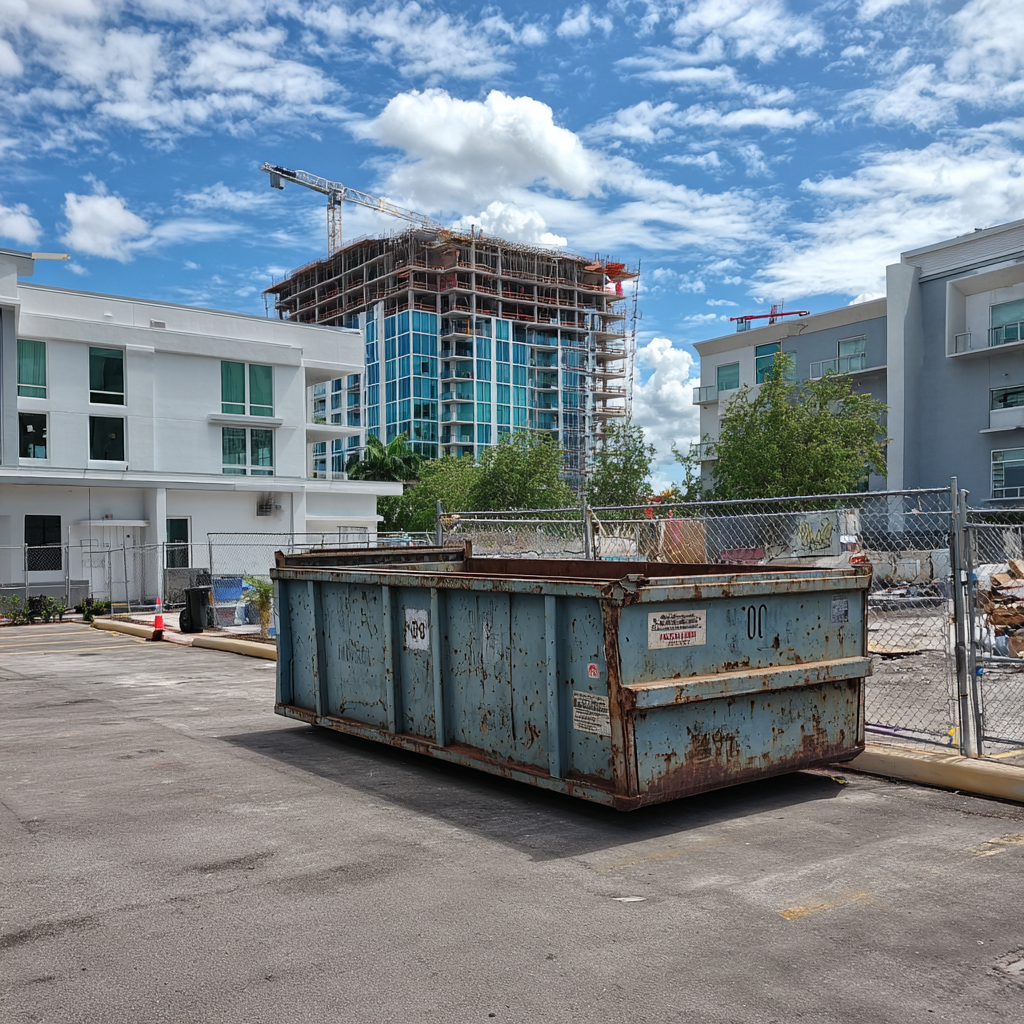
The rental process at a senior living facility follows a predictable sequence, and knowing each step in advance makes the whole project easier to manage.
- Identify your internal contact. Before booking, confirm which staff member — facilities director, maintenance manager, or operations lead — has authority to approve placement location and delivery timing.
- Confirm placement. Walk the campus and identify a container location that doesn’t interfere with resident pathways, emergency access routes, or vendor traffic. Have that location confirmed before the delivery date is set.
- Schedule around facility activity. Coordinate delivery and pickup windows with meal schedules, therapy sessions, and visitor hours. Mid-morning deliveries and early afternoon pickups cause the least disruption on most campuses.
- Set the rental period. Most single-phase turnover and renovation projects fit within a standard five-day rental. Build in a buffer day or two to account for project delays without running past the pickup date.
- Arrange pickup in advance. Schedule the pickup date at the time of booking rather than calling when the container is full. A container sitting longer than planned on an active senior living campus creates both safety and operational concerns.
Getting these details in order before delivery day keeps the rental from becoming a disruption to the residents and staff who depend on the campus running smoothly.
Facility Types and Their Specific Needs
Senior living encompasses a wide range of facility models, and each one generates waste in different ways and on different timelines.
Independent Living Communities
Independent living communities tend to have higher unit turnover rates than other senior living models. Residents move in and out more frequently, and each turnover typically requires a cleanout of personal belongings, furniture, and fixtures. A 10-yard or 15-yard container handles most single-unit turnovers without excess capacity.
Assisted Living Facilities
Assisted living facilities combine residential and clinical functions, which means renovation projects often have to work around active care schedules. Common area updates, dining room renovations, and accessibility modifications are the most frequent drivers of roll-off container use at these facilities.
Memory Care and Dementia Units
Memory care units operate under strict protocols around resident safety and environmental consistency. Container placement and delivery logistics require closer coordination with clinical staff than at other facility types. Noise, unfamiliar vehicles, and changes to the physical environment can affect residents, so scheduling delivery during lower-activity periods matters more here than anywhere else on campus.
Skilled Nursing and Rehabilitation Centers
Skilled nursing facilities generate steady demand for roll-off containers during compliance-driven renovation cycles. Medicare and Medicaid certification requirements push regular updates to patient rooms, bathrooms, and common spaces. These projects often run on regulatory timelines that don’t align with standard booking windows, so lead time matters.
Continuing Care Retirement Communities
Continuing care retirement communities combine multiple facility types on a single campus, which means waste management needs can arise from any number of sources simultaneously. Large CCRC campuses in the Miami area often require coordinated container placement across multiple zones to support renovation, construction, and turnover activity happening at the same time.
Placement Considerations for Miami Senior Living Facilities
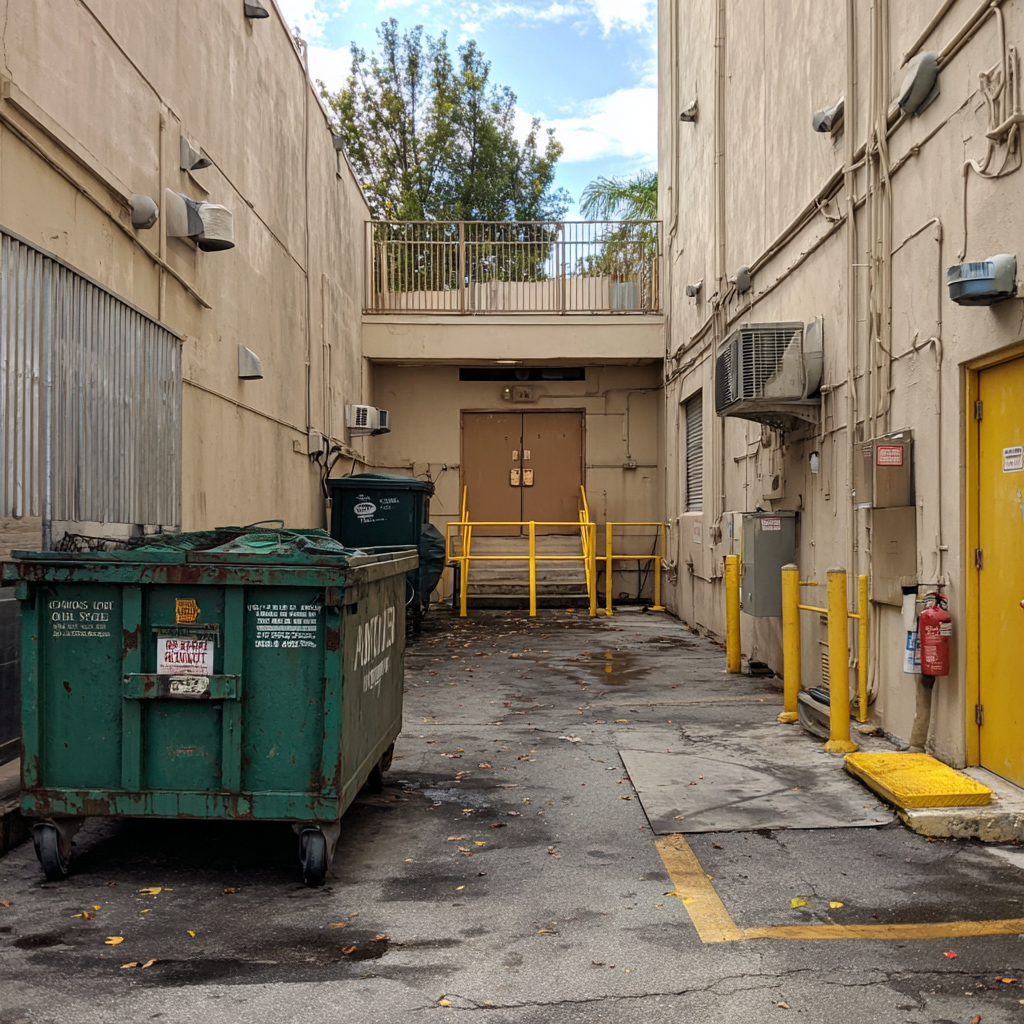
Senior living campuses present placement challenges that don’t exist on standard commercial job sites. Resident safety, emergency vehicle access, and the physical layout of an active care environment all constrain where a container can go and how it gets there.
Placement priorities on Miami senior living campuses include:
- Resident pathway clearance. Containers must not block walkways, building entrances, or outdoor common areas used by residents with mobility aids or wheelchairs.
- Emergency access. Placement must preserve clear lanes for emergency vehicles at all times. Fire lanes, ambulance access points, and building exits cannot be obstructed under any circumstances.
- Infection control proximity. Containers should be positioned away from clinical care areas, dining spaces, and HVAC intake points to avoid odor and contamination concerns during warm weather.
Miami’s climate adds a layer of urgency to placement decisions that facilities in cooler markets don’t face. Heat accelerates waste breakdown and odor development, which makes distance from resident-occupied areas more important than it might appear on a short-term rental. Scheduling pickups before containers sit through a full weekend in peak summer heat is a practical step that most experienced facility managers build into their planning.
Campus surface conditions also affect placement options. Many Miami senior living properties have landscaped grounds, decorative paving, and covered entryways that can be damaged by the weight of a loaded container. Confirming a stable, hard surface for placement before delivery day and using protective boards under the container when necessary protects the property and avoids damage claims at the end of the rental.
Permits and Compliance in Miami
Most senior living facilities in Miami sit on private property, which means container placement on campus typically does not require a city permit. When a delivery truck needs to stage on a public street or the container must sit on a public right-of-way even temporarily, a permit through the City of Miami Public Works Department is required before delivery.
Miami-Dade County maintains its own permitting process for unincorporated areas and county-maintained roads, which applies to senior living facilities located outside the City of Miami’s jurisdiction. Facilities in independent municipalities like Coral Gables, Miami Beach, or Hialeah must follow those cities’ own permitting requirements rather than the county or city process.
Senior living facilities are also subject to state and federal oversight that adds compliance considerations beyond standard permitting. Renovation and construction activity at licensed care facilities may require coordination with the Florida Agency for Health Care Administration to ensure that waste management logistics don’t conflict with licensure conditions or active inspection schedules.
Learn more about the potential rules and regulations that might apply to your rental: Dumpster Rental Regulations in Miami, Florida: What You Need to Know
Plan Your Miami Senior Living Facility Dumpster Rental
Dumpster rental for Miami senior living facilities requires more coordination than a standard commercial job, but the process is straightforward with the right provider and the right plan. Matching container size to the project scope, scheduling around resident activity, and confirming placement and permit requirements before delivery day keep the rental from becoming a disruption to the people who live and work on campus.
Contact our team to arrange dumpster rental for your Miami senior living facility and get a flat-rate quote tailored to your project timeline and facility type.
If you are looking for Dumpster Rental Regulations in Miami, Florida: What You Need to Know, Click Here
Recent Posts


Follow Us
Have any questions?
+1 844 853 3867
Give us a call today so we can help you find the right waste & sanitation solution for
your project!
Contact Us