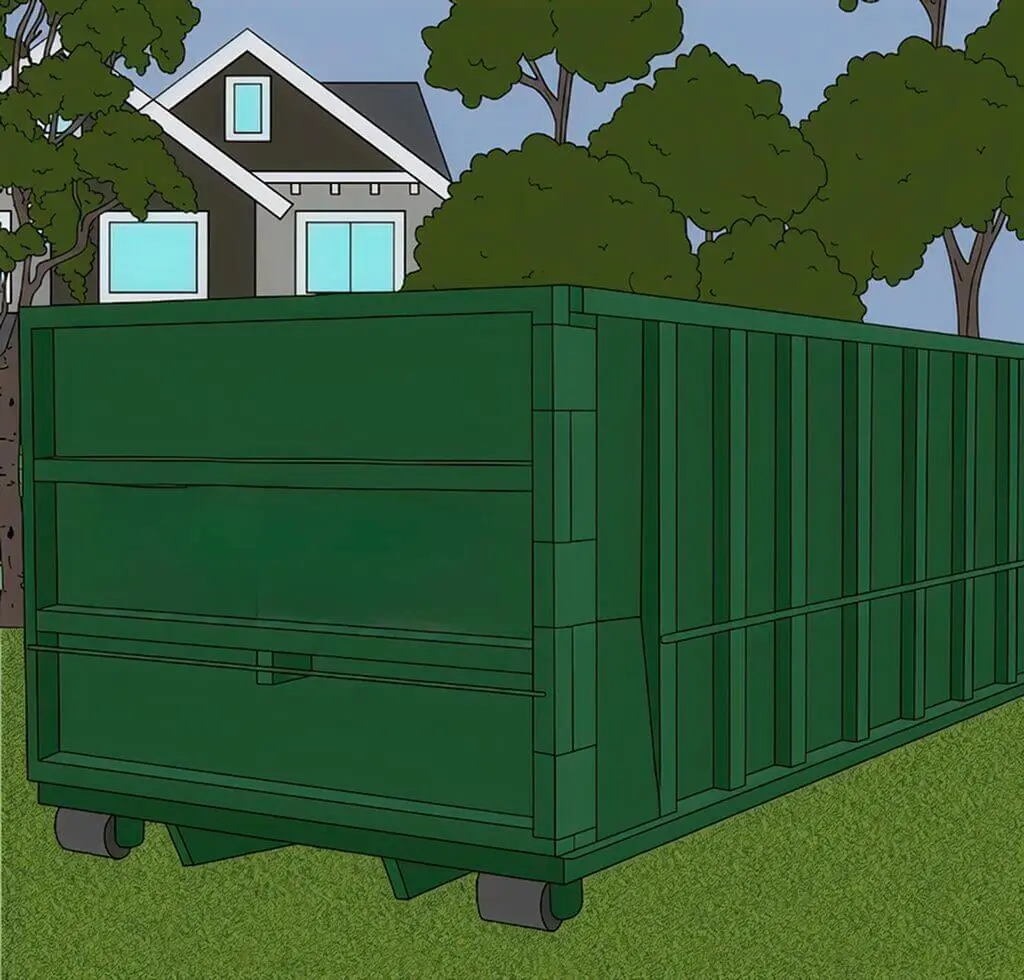
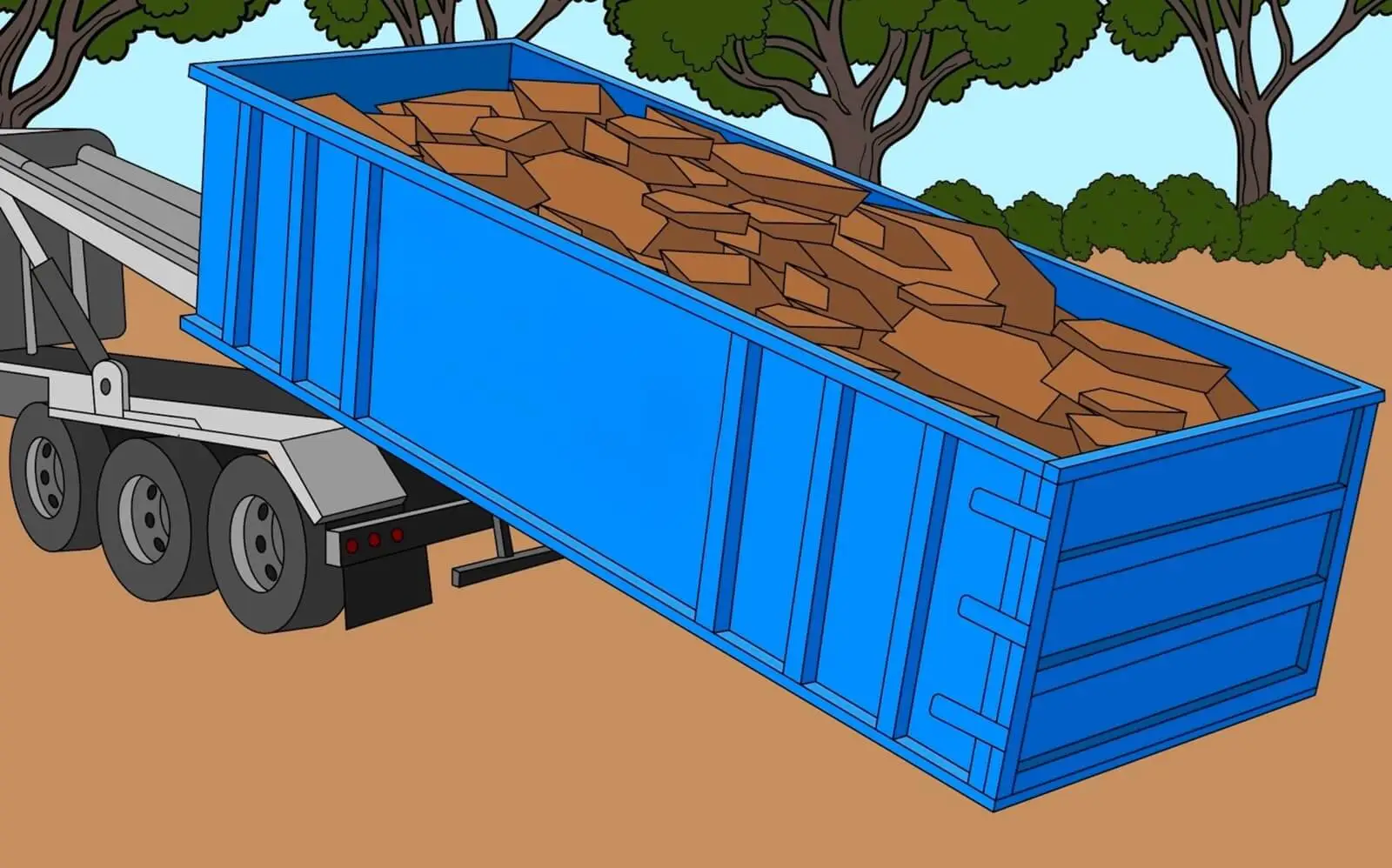
Most building and household debris is fine. The limits come from Farmington's own definitions and from what the district will take at the gate.
The city's list of material that falls outside ordinary collection is detailed and worth reading before you load. It covers hazardous material of any kind, explosives, medical and pathological waste, animal or human waste, loads that are mostly liquid, loads that are mostly noncombustible, white goods and appliances, large metal objects, large sealed containers, motor vehicles and vehicle parts, and anything on fire.
Three of those limits are dimensional and catch remodel debris. Anything larger than two feet by two feet by five feet, and any piece of wood with a cross section over nine inches or a length over five feet, falls outside ordinary collection. Long joists, big beams and oversized counter slabs need to be cut down or arranged separately, and construction debris of unprocessible proportions is named in the same list.
Lead acid batteries are barred from public facilities across Utah, so car and equipment batteries need a retailer or a hazardous waste route rather than a container.
Household hazardous waste and electronics are accepted at the district site at no charge for in-district residents and are not accepted at all from outside the district, so they belong in that separate stream rather than in your container. Paint, solvents, fuel and wet oil-based product go the same way.
If an item is not clearly on one side of the line, ask your account manager before it goes in. One refused item can hold a whole load at the scale.