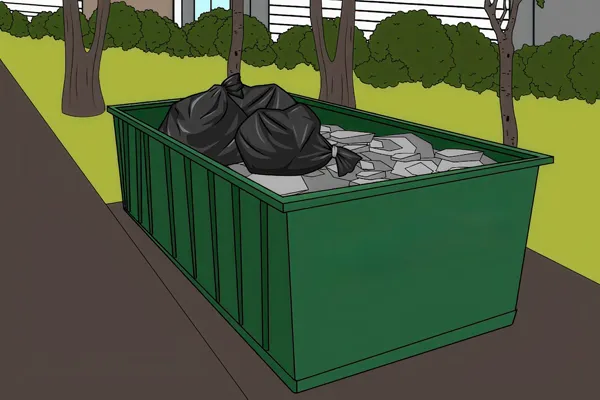
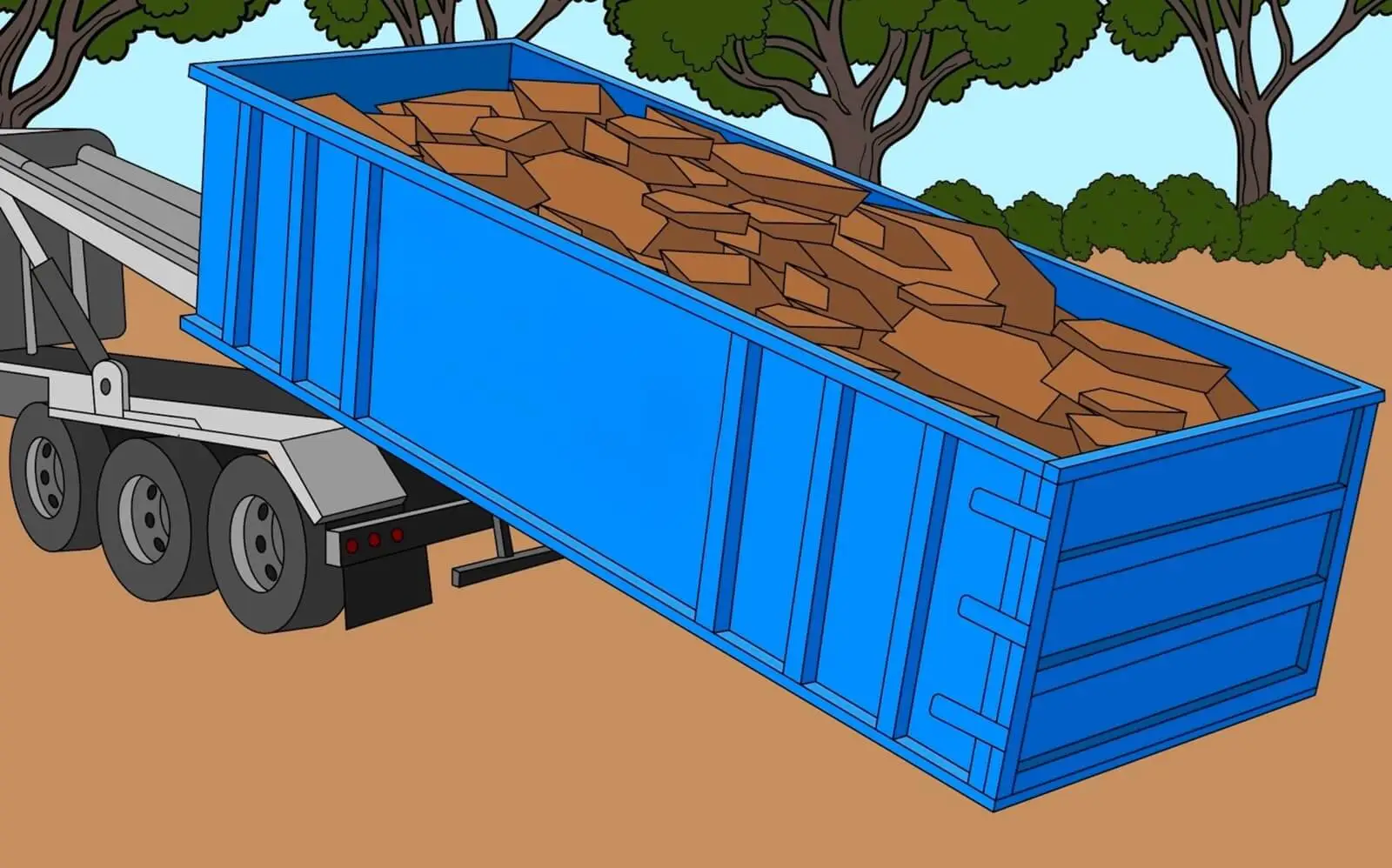
Ordinary renovation and household debris is fine: lumber, drywall, roofing, flooring, cabinets, doors, carpet, furniture and packaging.
Utah bars hazardous waste from standard landfills, so liquids, fuels, solvents, oil-based paint, pesticides, pool chemicals, asbestos and pressurized cylinders stay out of a container. State law also keeps lead acid batteries out of any public solid waste facility.
The Salt Lake Valley Landfill's materials page is the list that matters for a container from South Salt Lake, and three limits catch people out. Solar panels and battery systems are not accepted at all. Tires may only be brought by residential customers, and they must be pulled from the load and placed in the designated tire pile rather than tipped at the face. Computers, monitors, televisions and similar electronics go through the household hazardous waste facility, which is open to residential customers only and not to businesses.
Friable and non-friable asbestos are accepted at the landfill, but only at separate per-ton rates and through the facility's environmental manager, so a load containing any asbestos needs to be declared and arranged in advance rather than simply delivered.
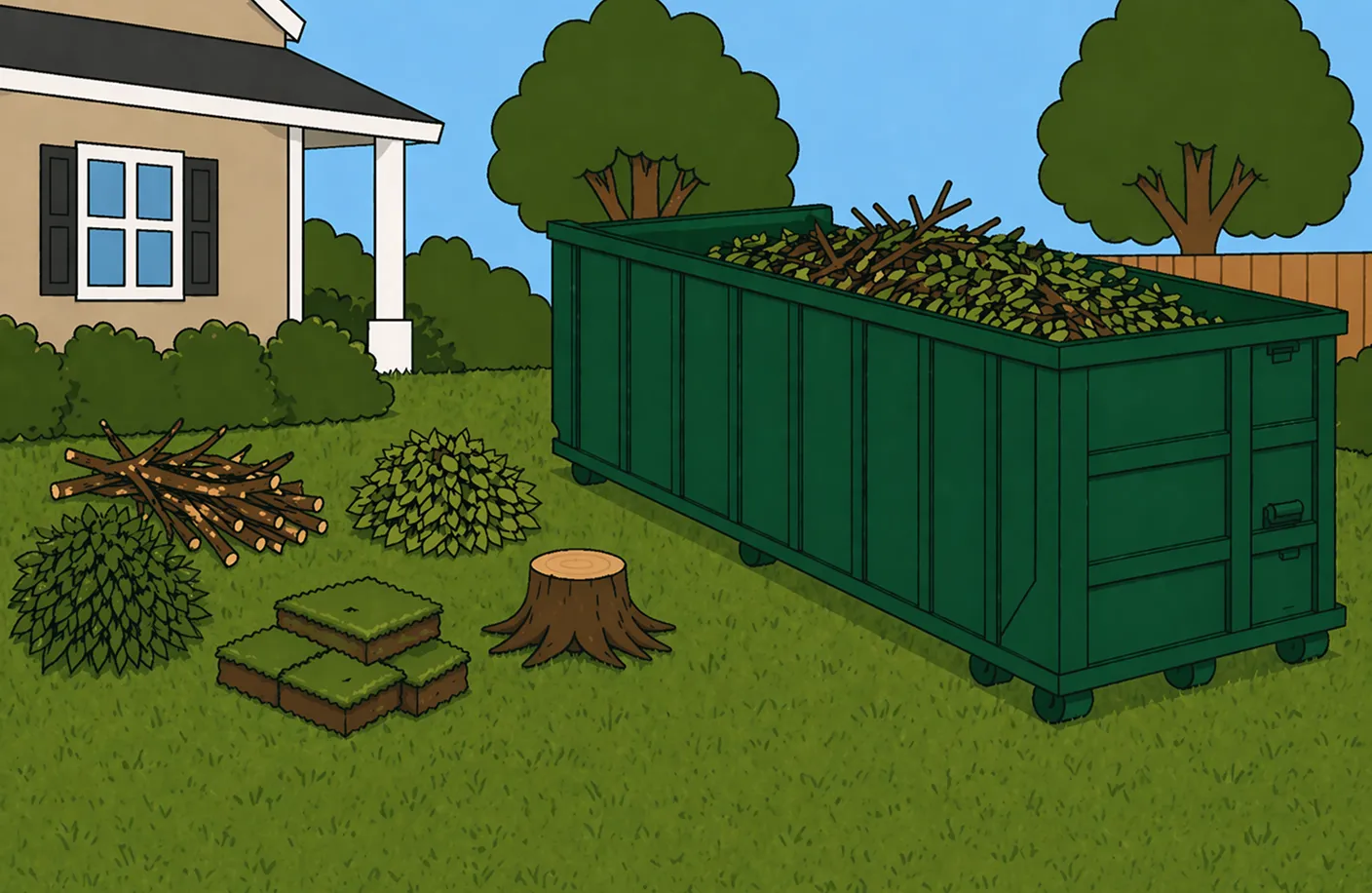
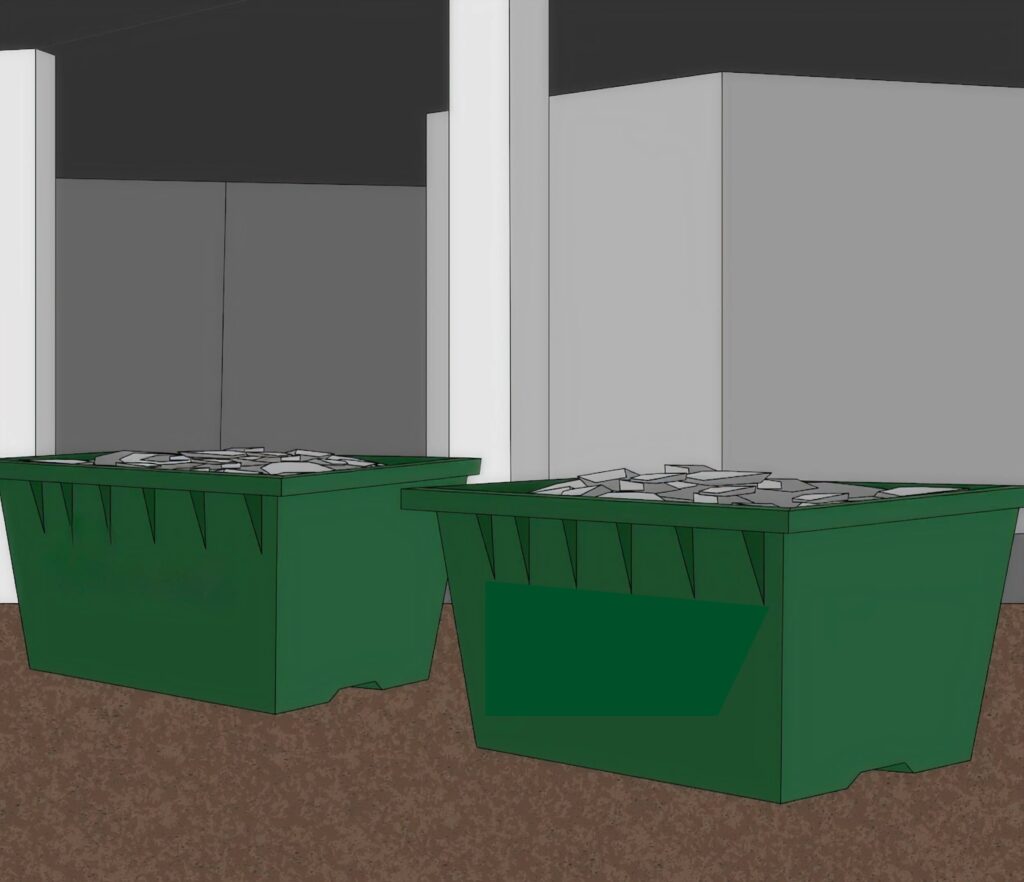
Concrete, asphalt, soil and sod are all accepted and sit in cheaper rate categories than mixed trash, which is the single best argument for keeping a clean hard load separate. Tell your account manager what the load contains and the destination can be matched to it.