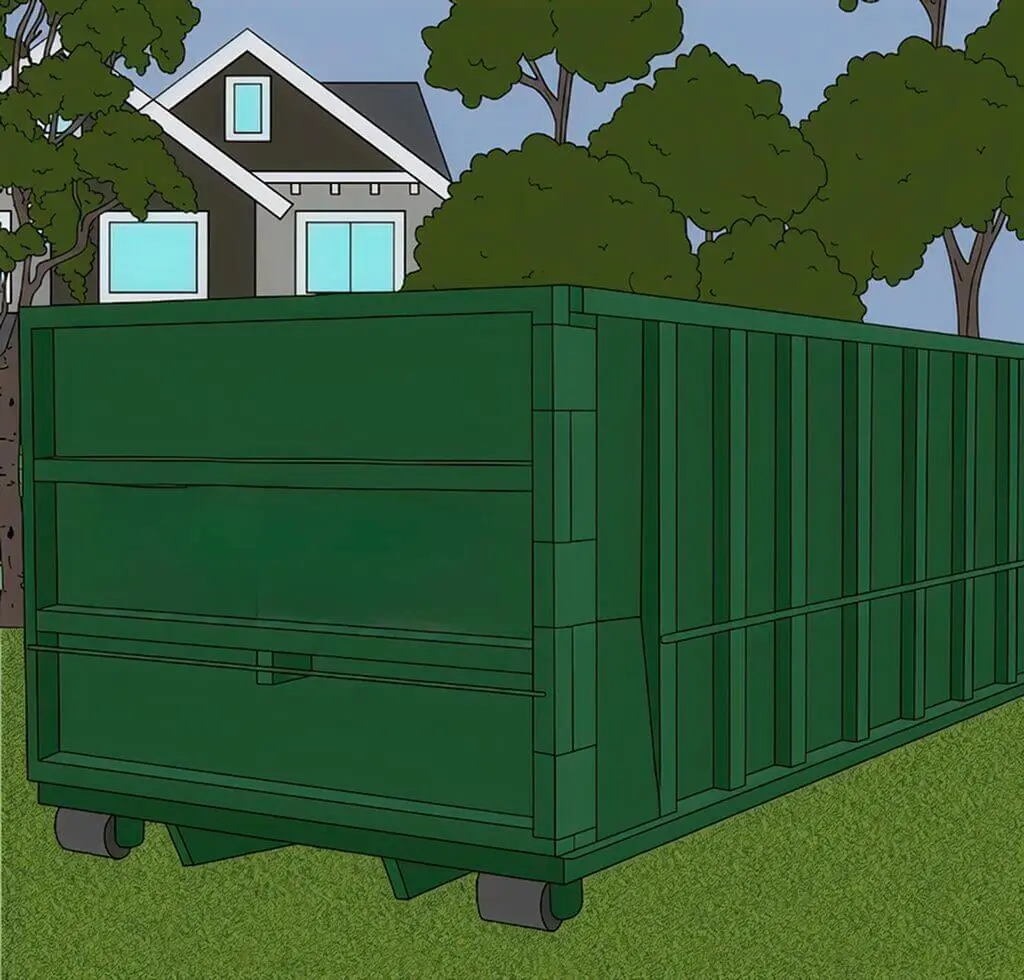
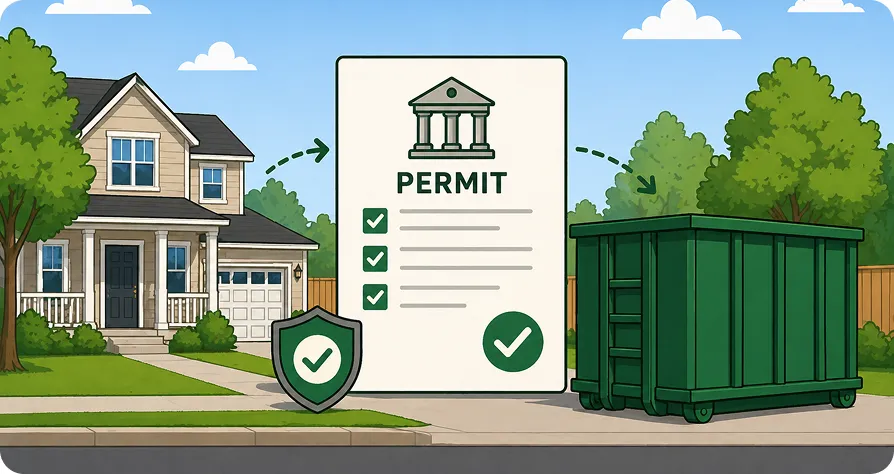
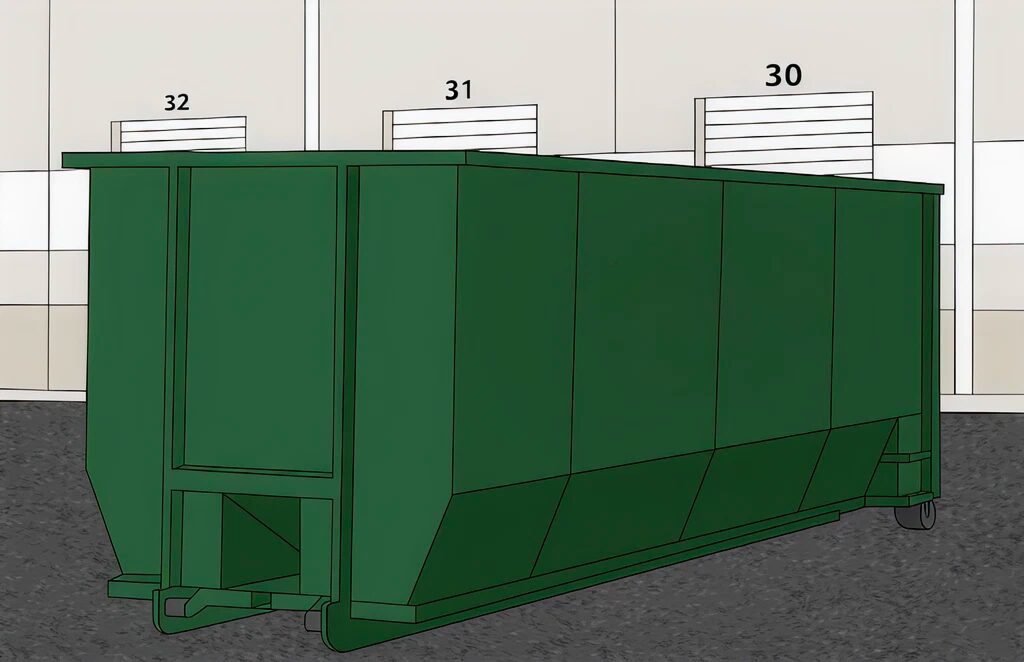
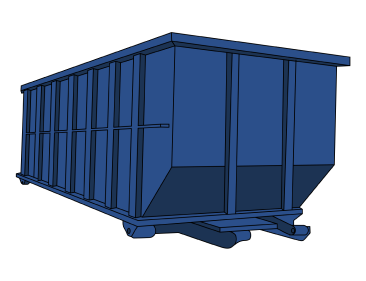
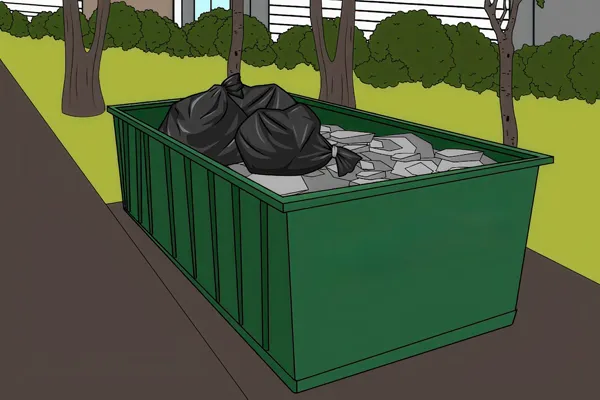
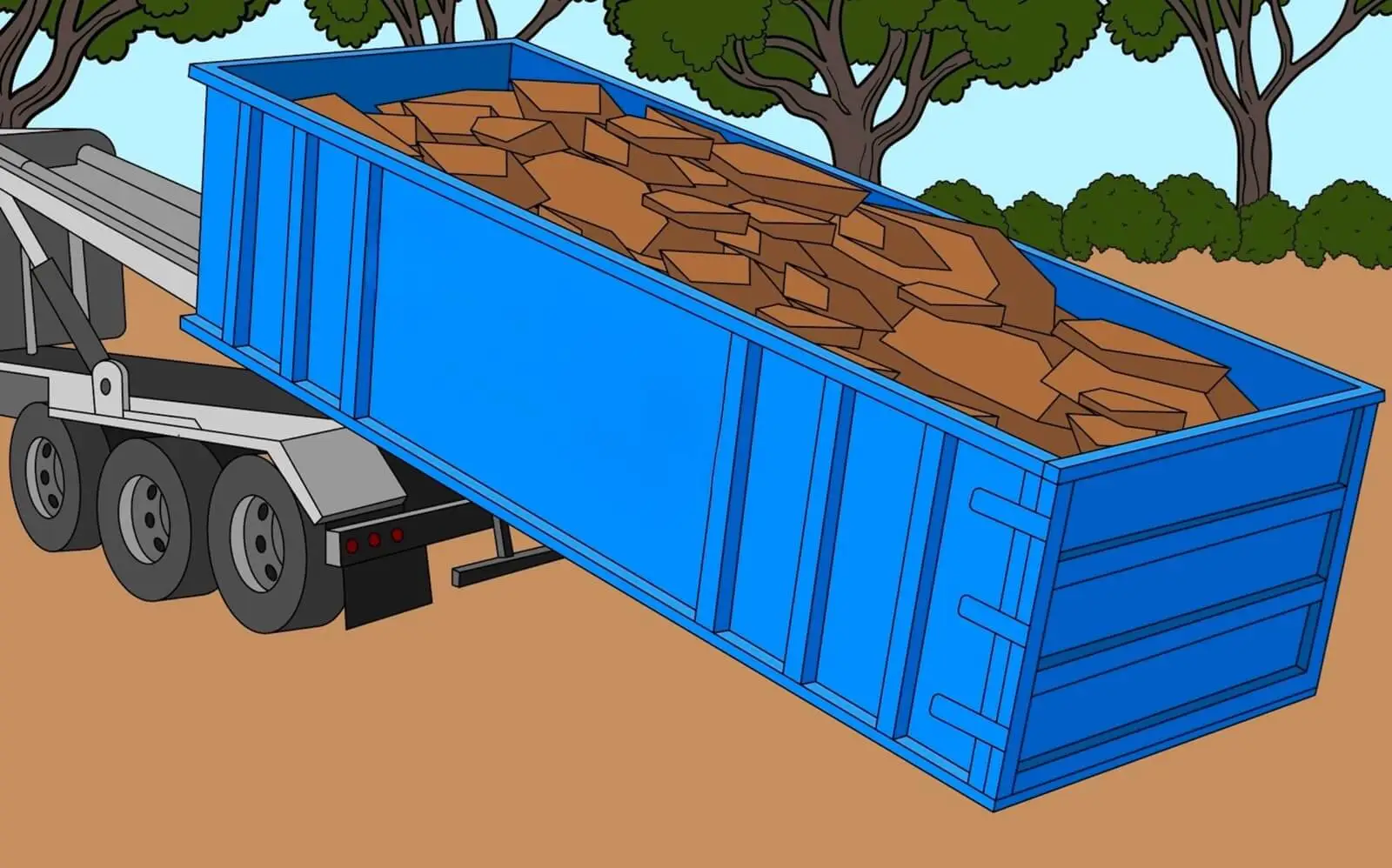
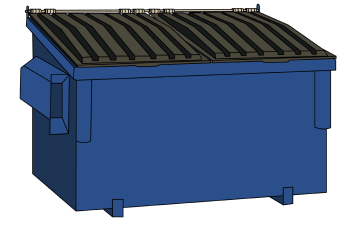
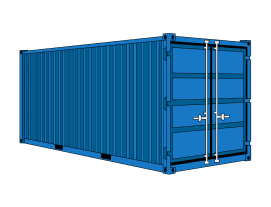
A container on private property, in a driveway or inside a job-site lot, needs no permit in Sandy. That covers nearly every job we do here.
The city code publishes no street permit for a container either, which is worth stating plainly. We read the whole Sandy City Code, all of it, and there is no encroachment permit for a dumpster, no day limit and no placement condition anywhere in it. What the code does carry is a general prohibition on depositing material that would obstruct a street, sidewalk, alley, park or public ground. So a container that must occupy part of a Sandy street should be cleared with Sandy Public Works before delivery, because there is no published rule to point at and the answer will depend on the street.
The more useful finding is what the code does not do. Sandy does not license, permit or franchise private solid waste hauling at all. Its waste chapter is entirely about the City's own residential service, container capacity, sanitary districts and fees set by council resolution. There is no prohibition on private collection, no permit class to apply for, and no exclusivity clause. Compared with most Utah and western cities, that makes Sandy a genuinely open market, and it means there is no permission step standing between you and a container on private ground.
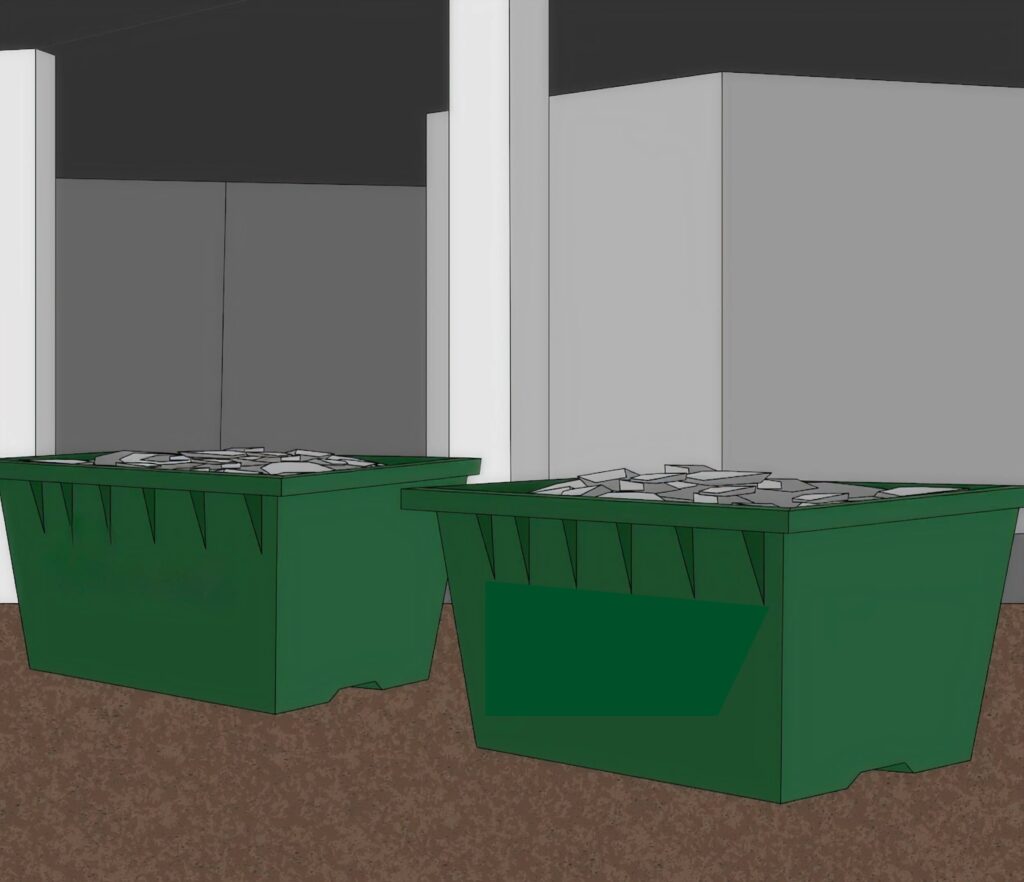
One zoning point is worth a mention for a commercial property. Sandy's site-design standards require screened storage areas for waste containers, at least six feet high, and say no outdoor storage display or dumpster may sit within thirty feet of a residential district or in a required front yard setback. Read in context those are standards for a permanent storage area rather than for a temporary roll-off on a job site, but on a commercial lot close to housing it is worth raising with the City before placement.
There is also a duty that falls on you rather than on us, and it is a good reason to use a container with a documented destination. Sandy makes it unlawful for an owner, agent or contractor in charge of a construction or demolition site to allow litter to accumulate before, during or after the project, and the owner, agent or contractor may be required at any time to show proof of appropriate collection, or of final disposal at an authorized facility. A container with a known destination answers that question on the spot.