Nearly everything a pre-war Middletown gut job produces can be loaded. Ohio adds two rules that affect how a load should be packed, and both matter here.
Tires come first. It is illegal in Ohio to transport more than ten scrap tires at a time anywhere in the state without being registered with the Ohio Environmental Protection Agency. A few tires thrown into a container can change the legal position of the whole load, so they are declared and taken separately.
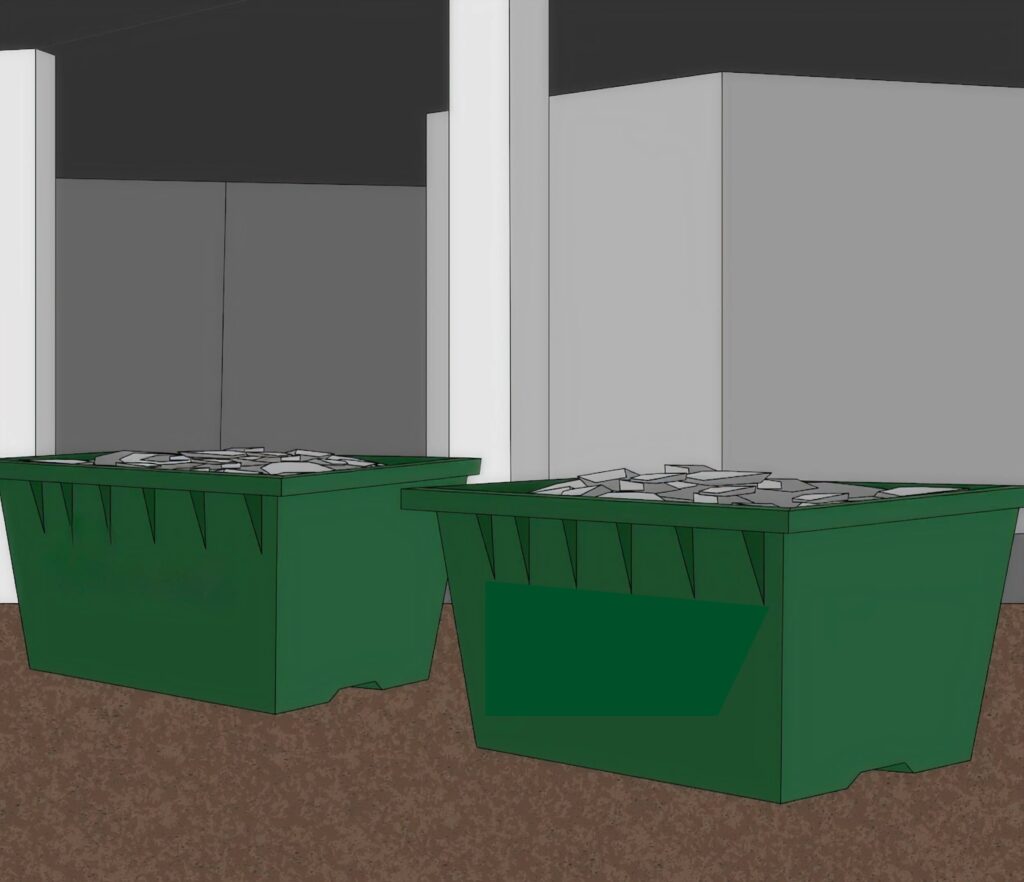
Clean hard fill comes second, and it is the rule that saves money. Ohio treats clean hard fill as concrete, asphalt concrete, brick, block, tile and stone only. If any other waste is mixed in with it, all of the material has to be handled and disposed of as solid waste or construction and demolition debris. With Butler County waste already priced at the out-of-county rate, a reclassified load is an expensive mistake. Keep masonry on its own.
Nothing hazardous can be loaded anywhere, so paint, solvents, fuel, liquids and asbestos are excluded.
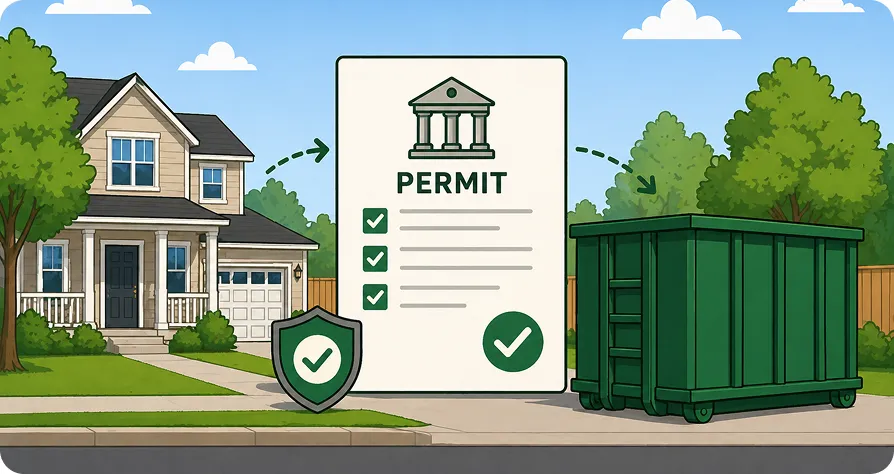
For scale, the City's own commercial collection service is limited to two cans a week of no more than 35 gallons each. That is why a project of any size needs a container rather than the municipal service, and the City's rules also say its collection containers may not be placed within the limits of a street or other public place.
Raise an out-of-the-ordinary item with your account manager before loading.