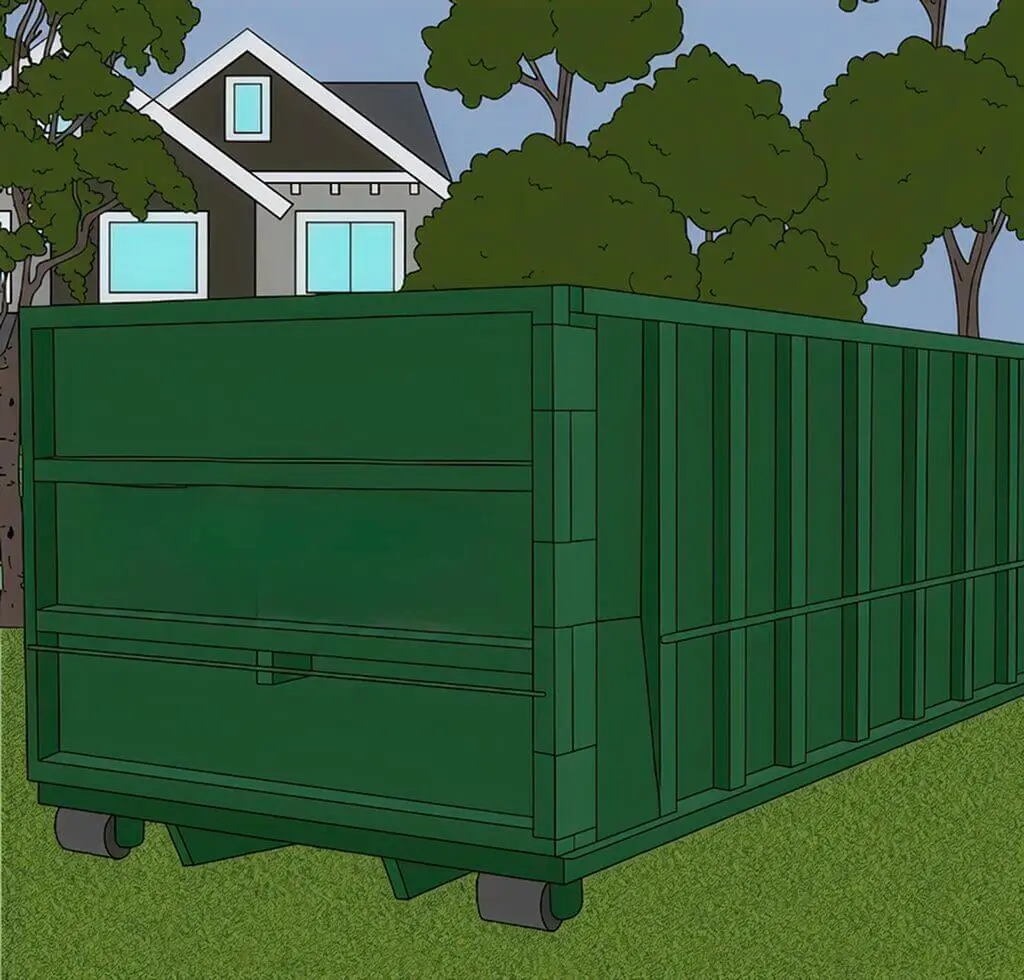
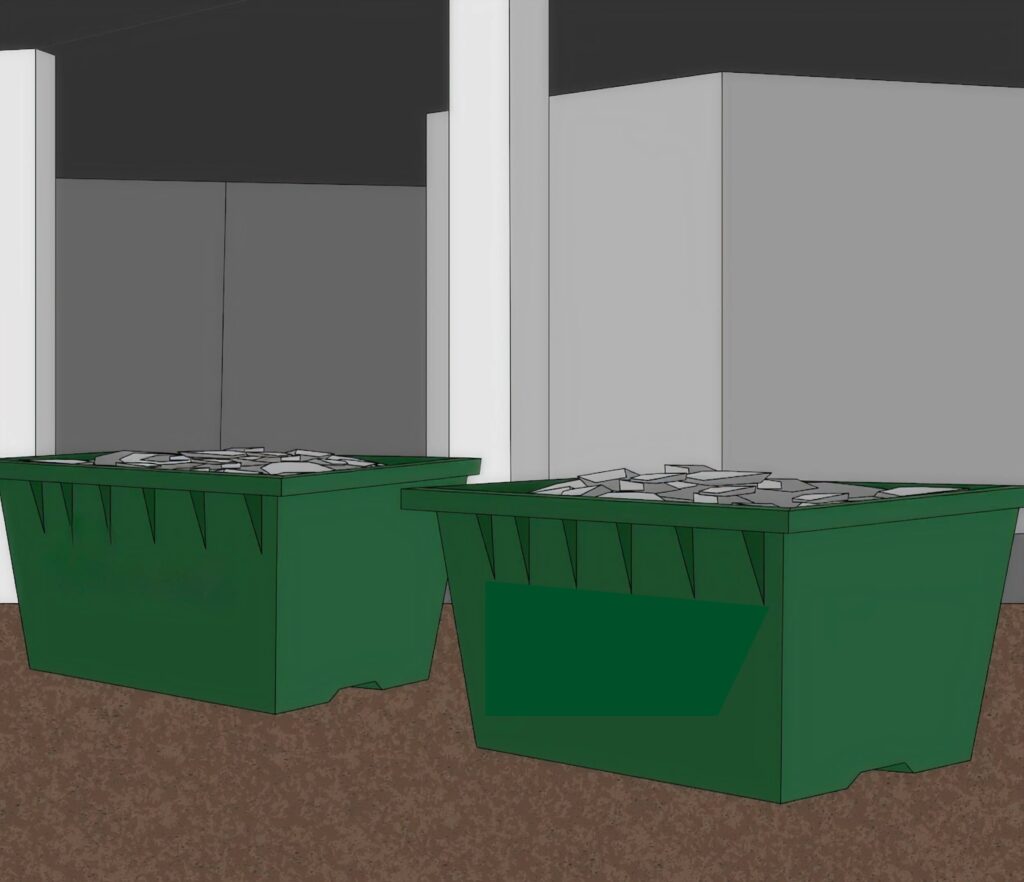
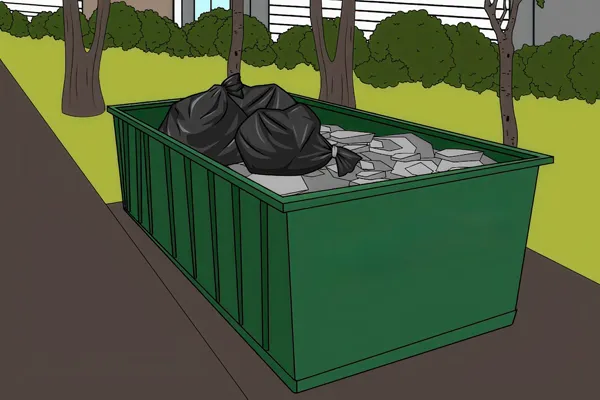
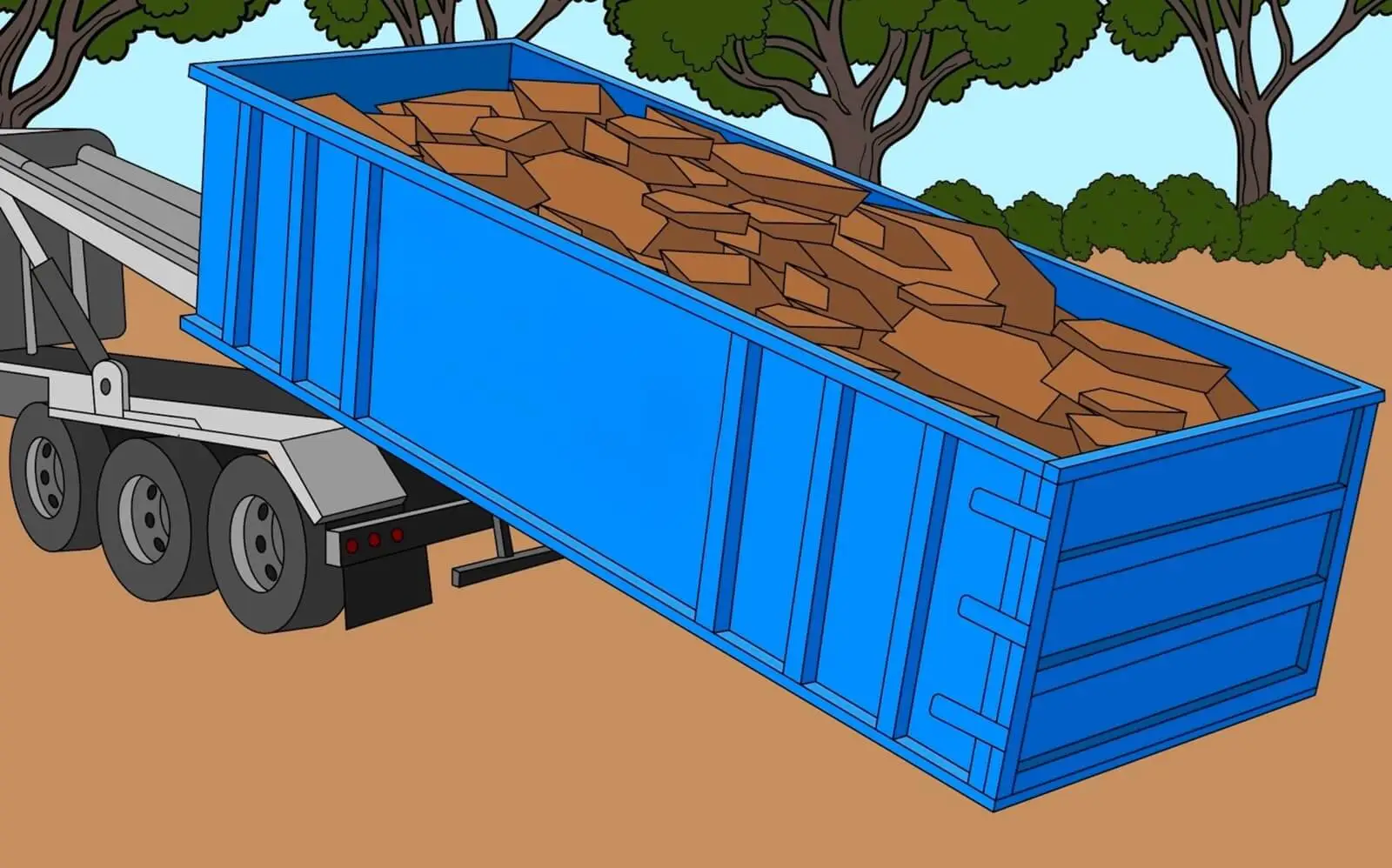
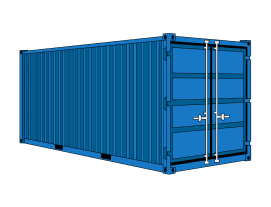
Ordinary construction and cleanout debris is exactly what a container is for here, since the City will not take it at the curb. The limits come from North Carolina's landfill disposal bans and from what the regional landfill will accept.
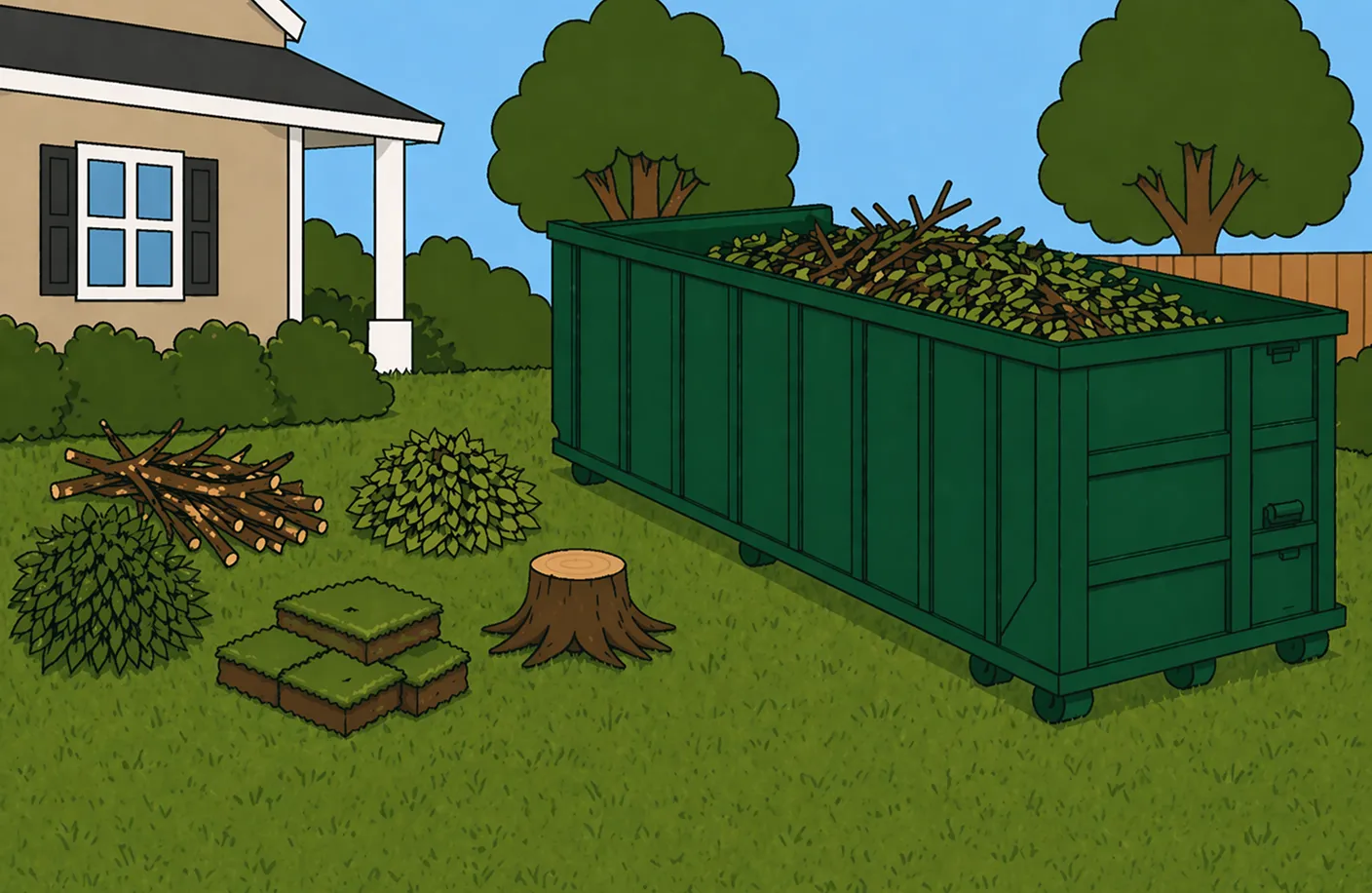
The state keeps a long list out of its landfills: scrap tires, white goods such as stoves and refrigerators, computers and televisions, lead-acid batteries, used oil and oil filters, antifreeze, aluminum cans, plastic bottles, oyster shells, wooden pallets, and yard trash. Lithium-ion batteries join that list at the end of 2026, and fluorescent tubes, mercury thermostats, and solar panels are barred from construction debris landfills on top of that.
Hazardous waste, liquids, wet paint, solvents, fuel, and asbestos stay out of any standard container. The City also refuses partly filled paint cans, propane tanks, tires still on the rim, and electronics of any kind in its own collection.
The City's own collection guidelines spell out what it will not pick up, and it reads like a list of what belongs in a container instead: large amounts of lumber, carpet and padding and other flooring, treated or painted or stained wood, fencing, mirrors, glass, cement, concrete and brick, roofing shingles, sheet rock, window frames and doors, and railroad ties. The City says that debris should be removed by the contractor or the homeowner.
Mixing is the thing that trips people up. The City refuses a bulk or yard waste pile outright if anything unacceptable is mixed in, and the same discipline keeps your container priced as clean debris. Ask your account manager before an unusual item goes in.