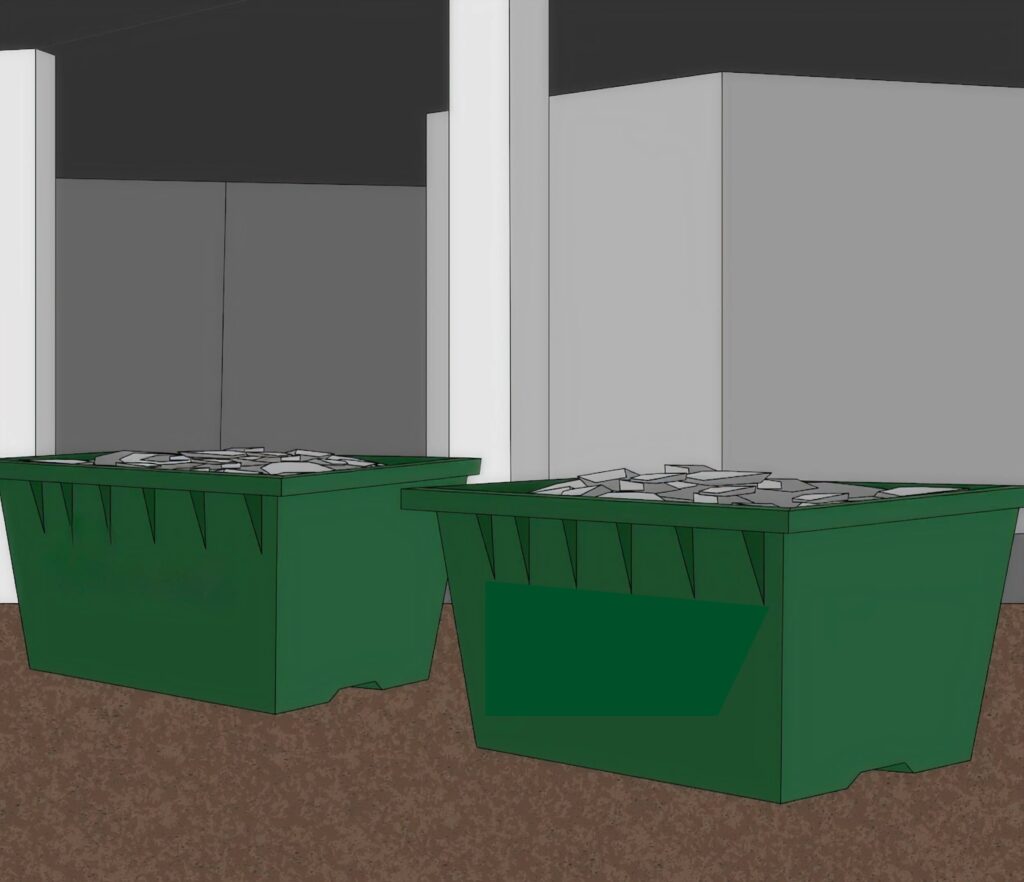
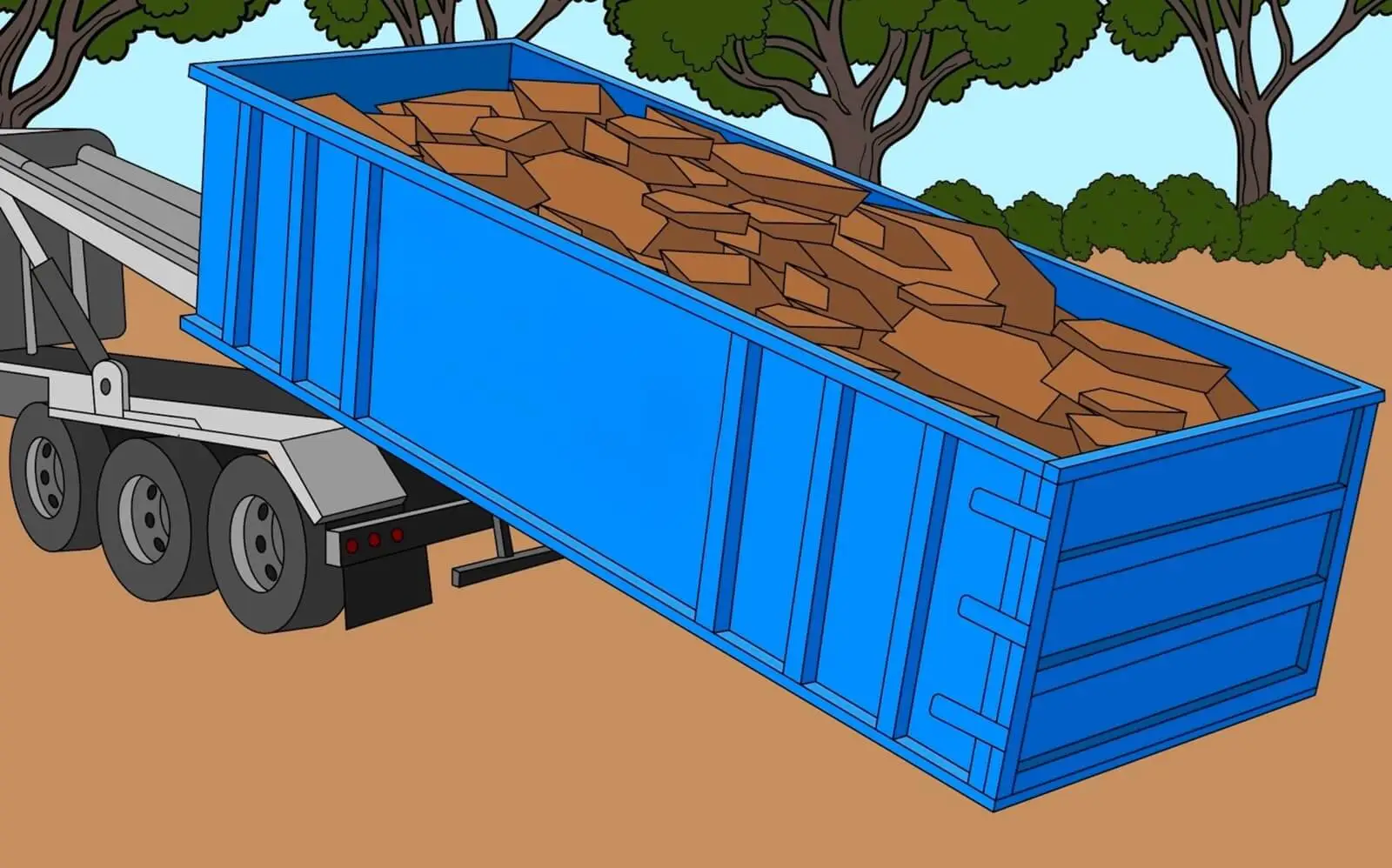
Shingles, tile, underlayment, framing, drywall, stucco, flooring, cabinets, doors, fixtures, furniture and general cleanout debris are all ordinary Coral Springs loads. The exclusions come from Florida statute and from the city's own definitions.
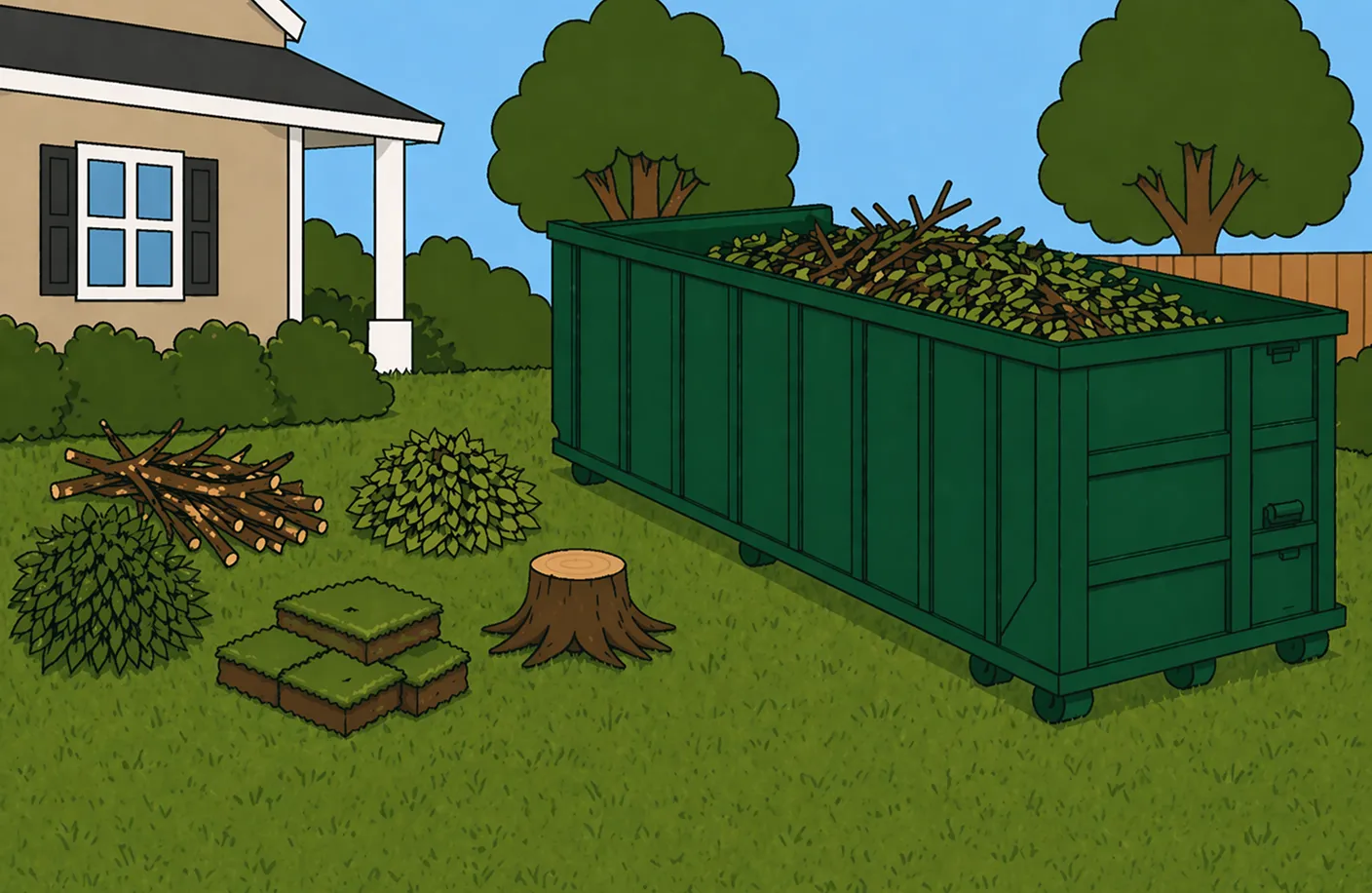
Florida law says a person who knows or should know the nature of the waste may not put these in a landfill: lead-acid batteries, used oil, white goods, and yard trash in lined Class I landfills unless the site runs an active gas-collection system that puts the gas to beneficial use. Lead-acid batteries carry a second limb that matters a great deal in Broward County, where much of the stream is burned rather than buried: they may not go to any waste-to-energy facility either.
Out of the container as well: paint, solvents, aerosols, pesticides, pool chemicals, antifreeze, gasoline, propane cylinders, fluorescent tubes, electronics and tires. The city also puts hazardous waste, dead animals, vehicles and vehicle parts into a special category of its own, outside ordinary collection.
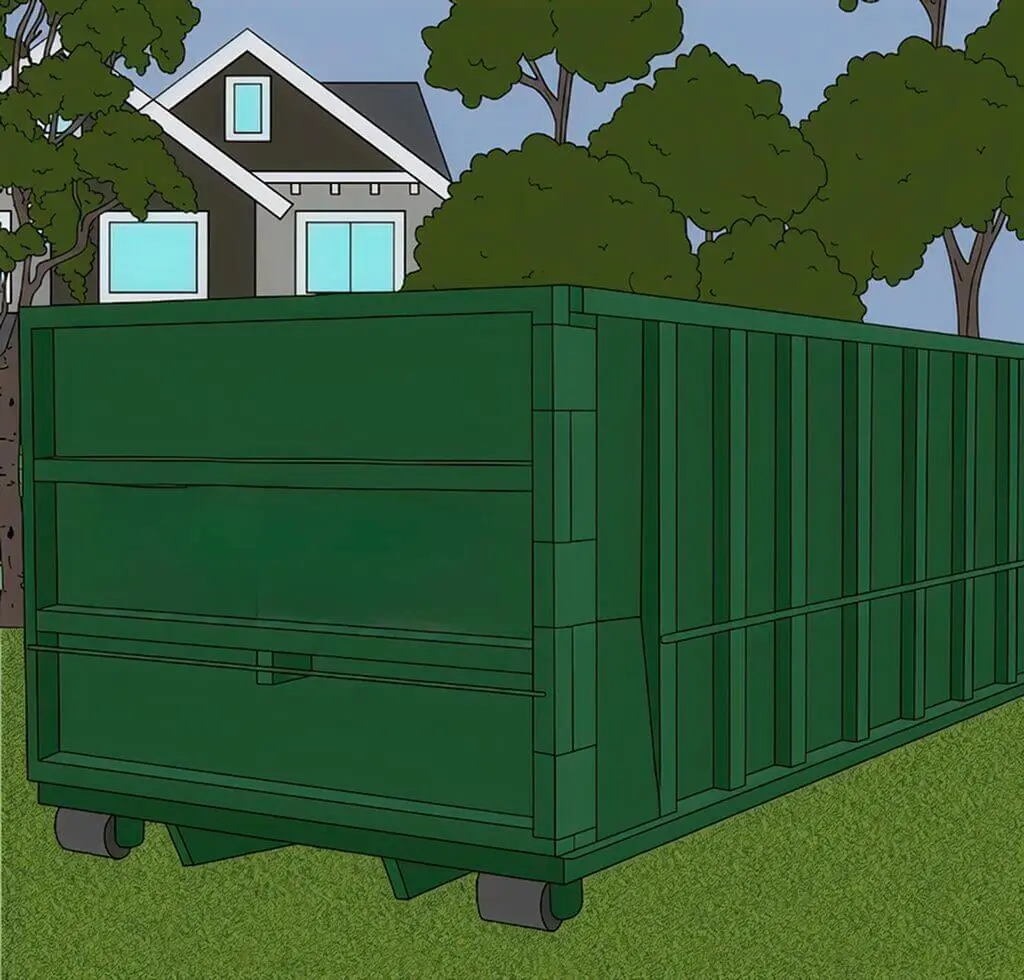
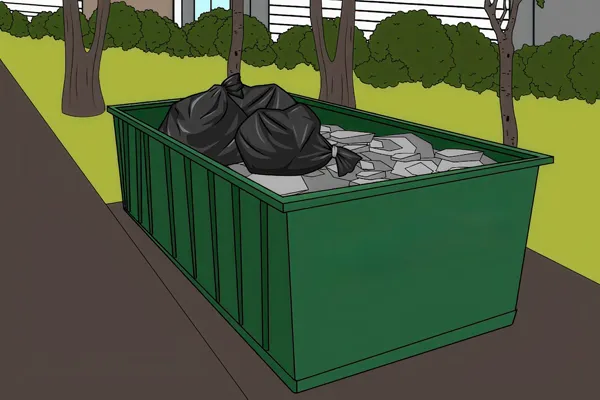
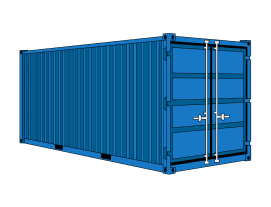
One local duty beats every ban on that list, because it can stop your job. The owner and the contractor are jointly responsible for keeping all construction waste on the property, inside a marked area that is fenced or otherwise enclosed. Neither of them may obtain a building permit inspection while in breach of it. A container, placed properly, is how you meet that.
Storm season adds its own rules. In severe weather it is unlawful to leave loose debris or unsecured material, roof tiles included, on or near the site. A wind advisory, a wind warning, a hurricane watch or a hurricane warning counts as notice on its own. If the city has to secure a property, the owner gets the bill.
Pull restricted items before loading rather than after. One refused item can turn a whole container back, and your account manager can say where each one goes.