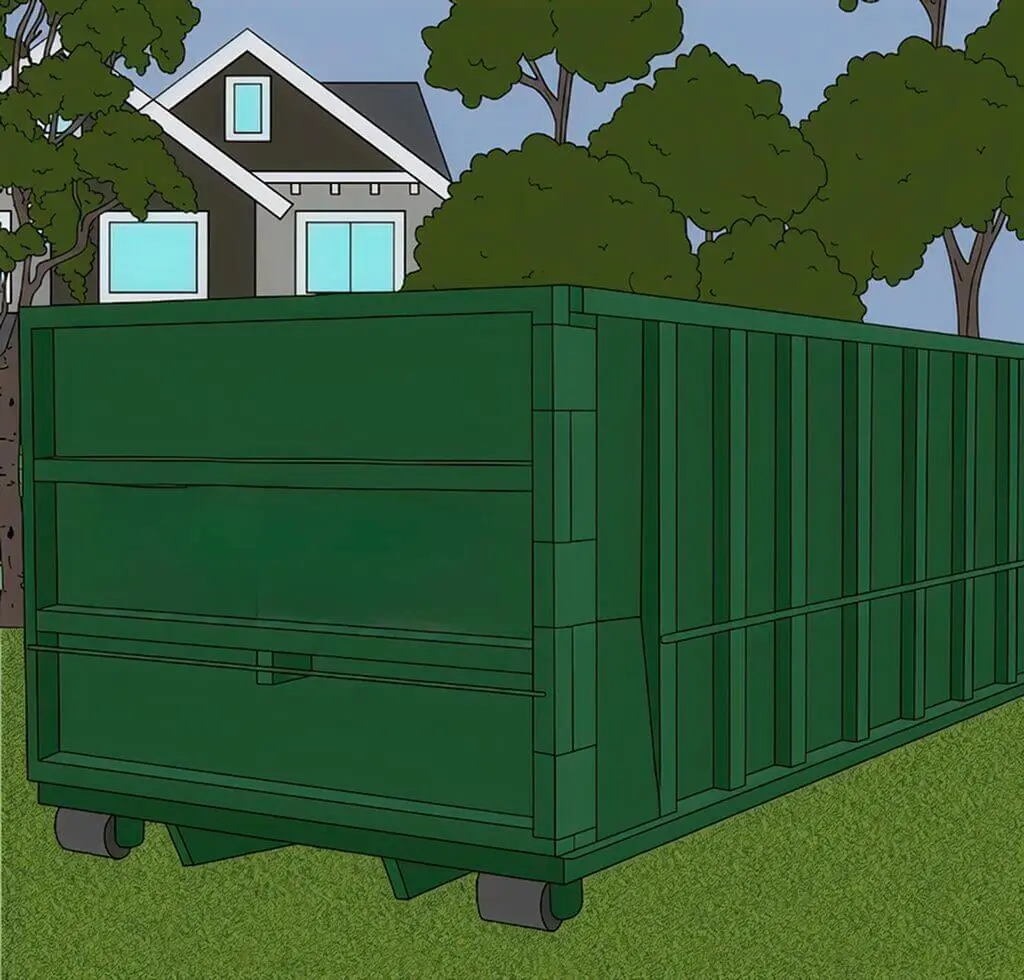
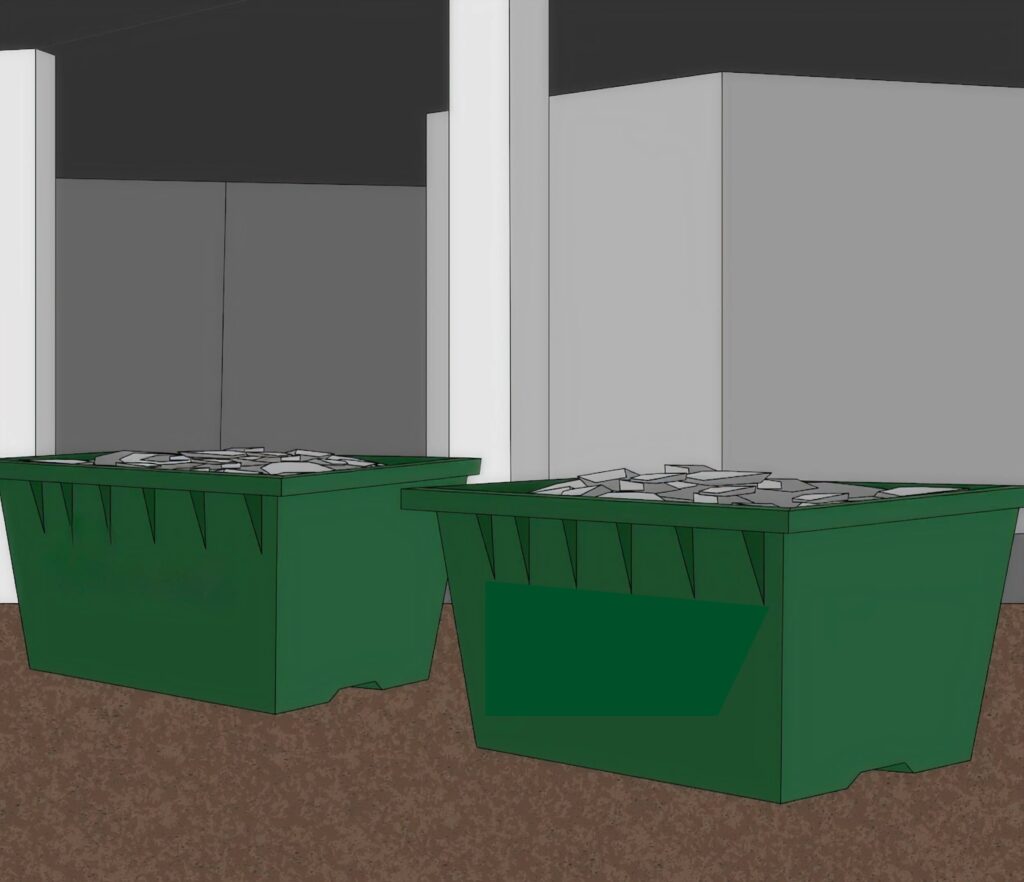
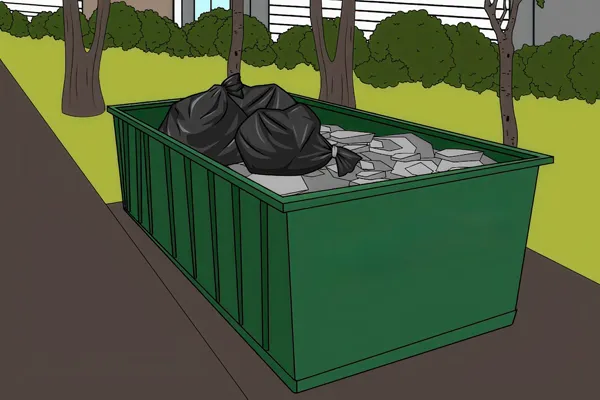
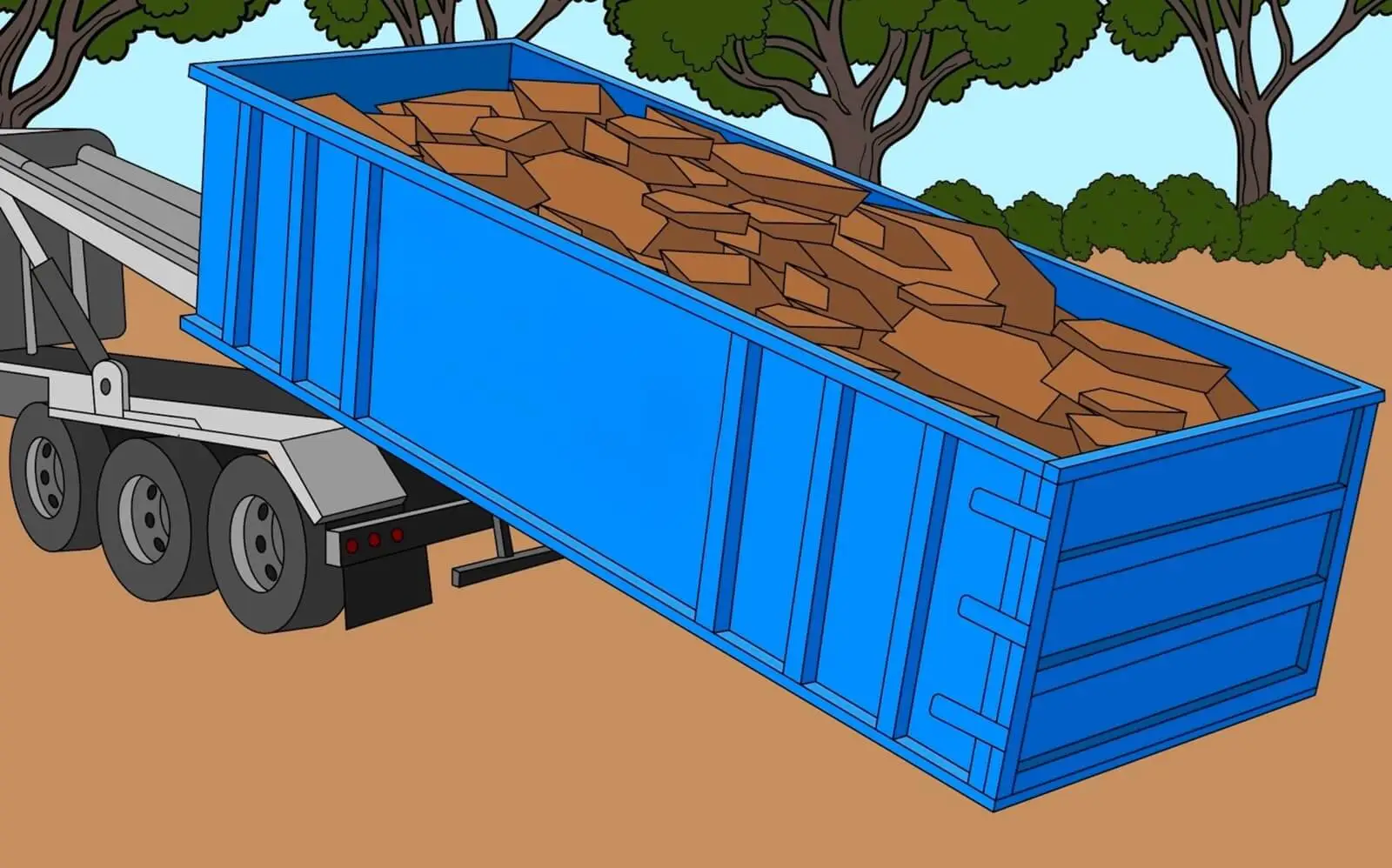
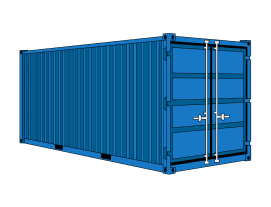
Regular building and household debris is welcome: framing, drywall, roofing, siding, flooring, cabinets, doors, screen, carpet, furniture and general junk.
Florida bars four categories from landfills statewide, and the wording is precise enough to be worth repeating. A person who knows or should know the nature of the waste may not put lead-acid batteries, used oil, yard trash in lined Class I landfills, or white goods into a landfill. Lead-acid batteries also may not go to a waste-to-energy facility. The yard trash rule has an exception where the Class I landfill runs an active gas-collection system and makes beneficial use of the gas.
The most useful list for a Eustis customer, though, is the City's own. Eustis tells residents that construction debris does not belong in the household cart, and it names it alongside paint cans, tires, oil and oil cans, aerosol cans, chemicals, light bulbs, lawn mowers, spray paint, mirrors, auto parts, car batteries, plate glass, polystyrene foam and wood. That is exactly the list that pushes a remodel toward a container.
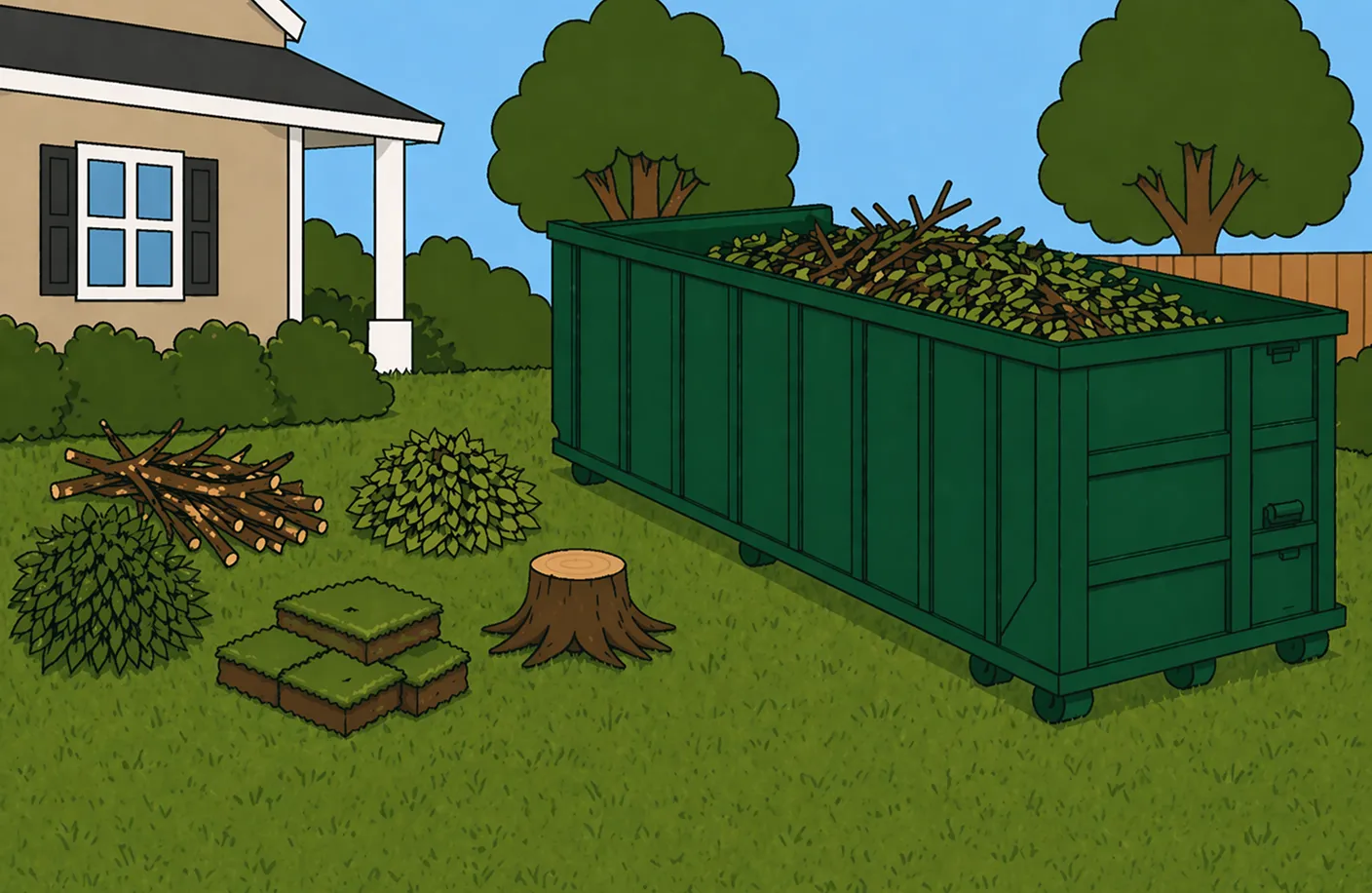
Yard material has its own limits with the City: branches cut to four-foot lengths, no wider than six inches, under 50 pounds, and no more than three cubic yards in total. The City also says that landscaping, land-clearing and tree-trimming services must remove whatever they generate themselves.
Hazardous material stays out of the container in every case, and the county facility described below is where it goes instead. For a borderline item, ask your account manager first.