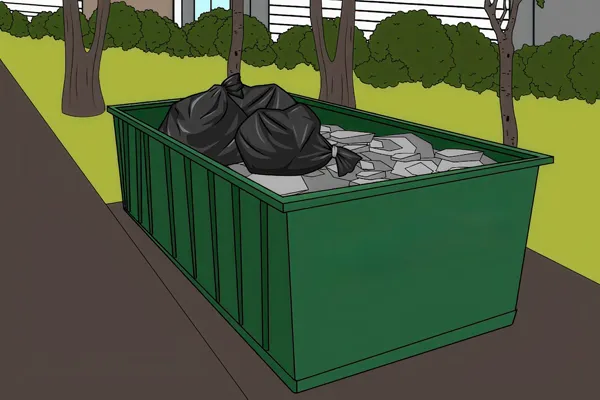
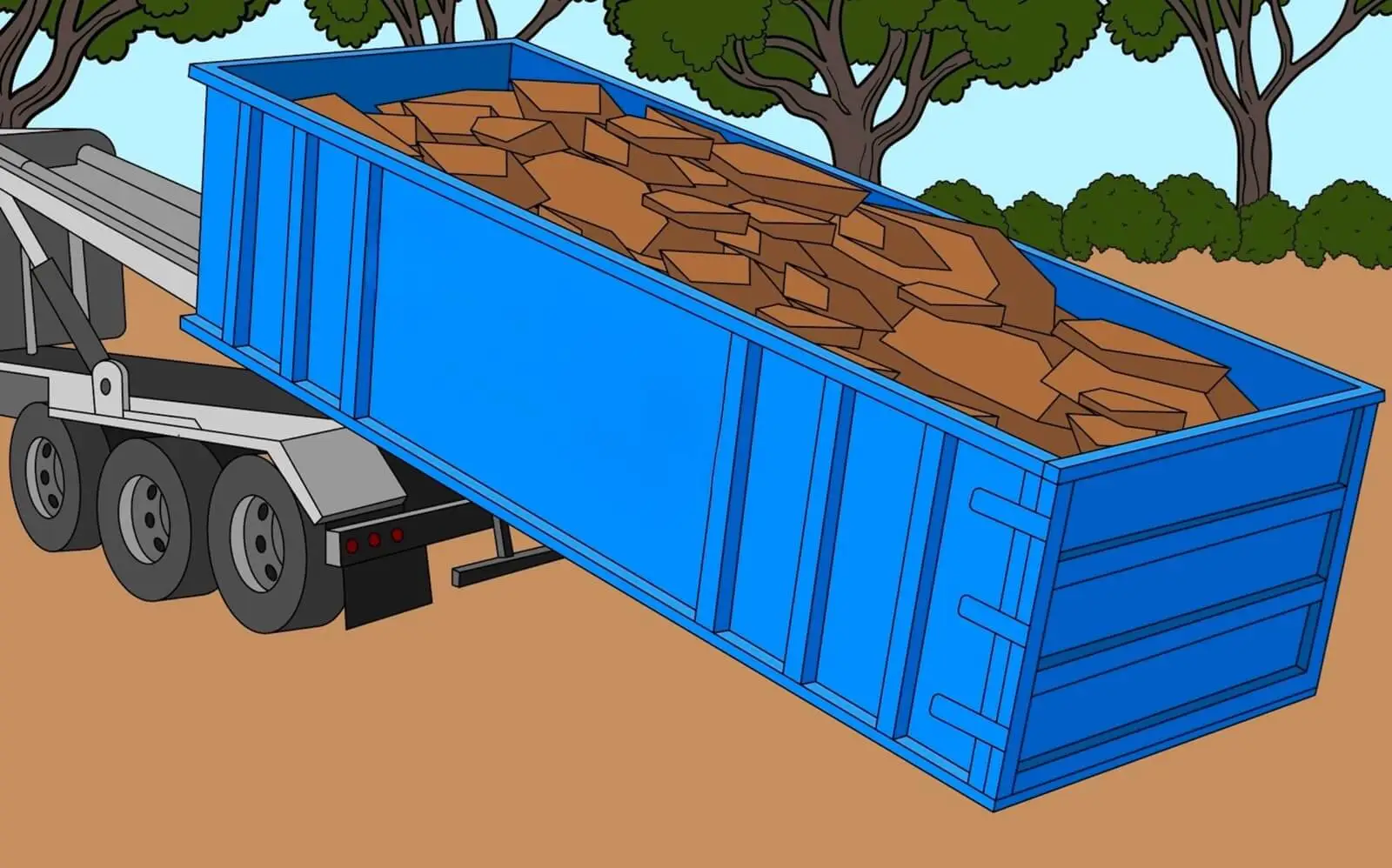
Everyday coastal renovation, roofing and cleanout debris loads without difficulty. The limits come from Florida rules and from the receiving facility.
Liquids are excluded, and so are paint, solvents, thinners, fuel, motor oil, antifreeze, pool chemicals and pesticides. The City's own guidance puts it bluntly: never combine hazardous materials with household waste. Appliances holding refrigerant, fluorescent tubes, batteries, televisions and computer equipment each need their own route, and tires are kept separate.
Asbestos needs testing and licensed handling. In older beachside housing it turns up in floor tile adhesive, pipe lagging and textured ceiling finishes, and a test before demolition is the right order rather than a decision made while loading.
There is one local rule worth knowing about recyclables. Once recyclable material is placed at a collection point or in a recycling container in New Smyrna Beach, the City's rules make it the exclusive property of the City or its authorized representative, and unauthorized collection of it is barred. That does not reach the debris in a project container, but it does mean a separated recyclable stream set out for city collection is no longer yours to redirect. Keep project material in the container and household recycling in the city stream, and the two never conflict.
Anything sitting on the edge of those lists is worth raising with your account manager before it goes in.