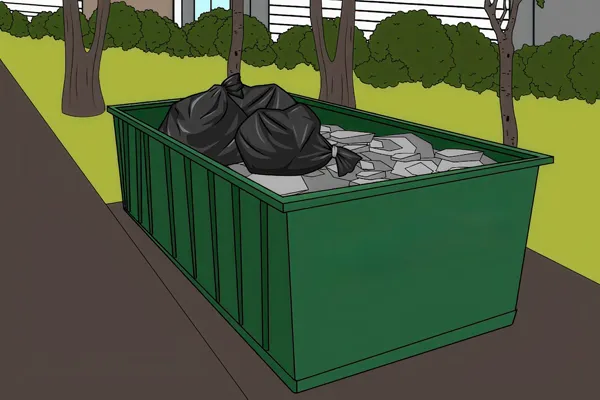
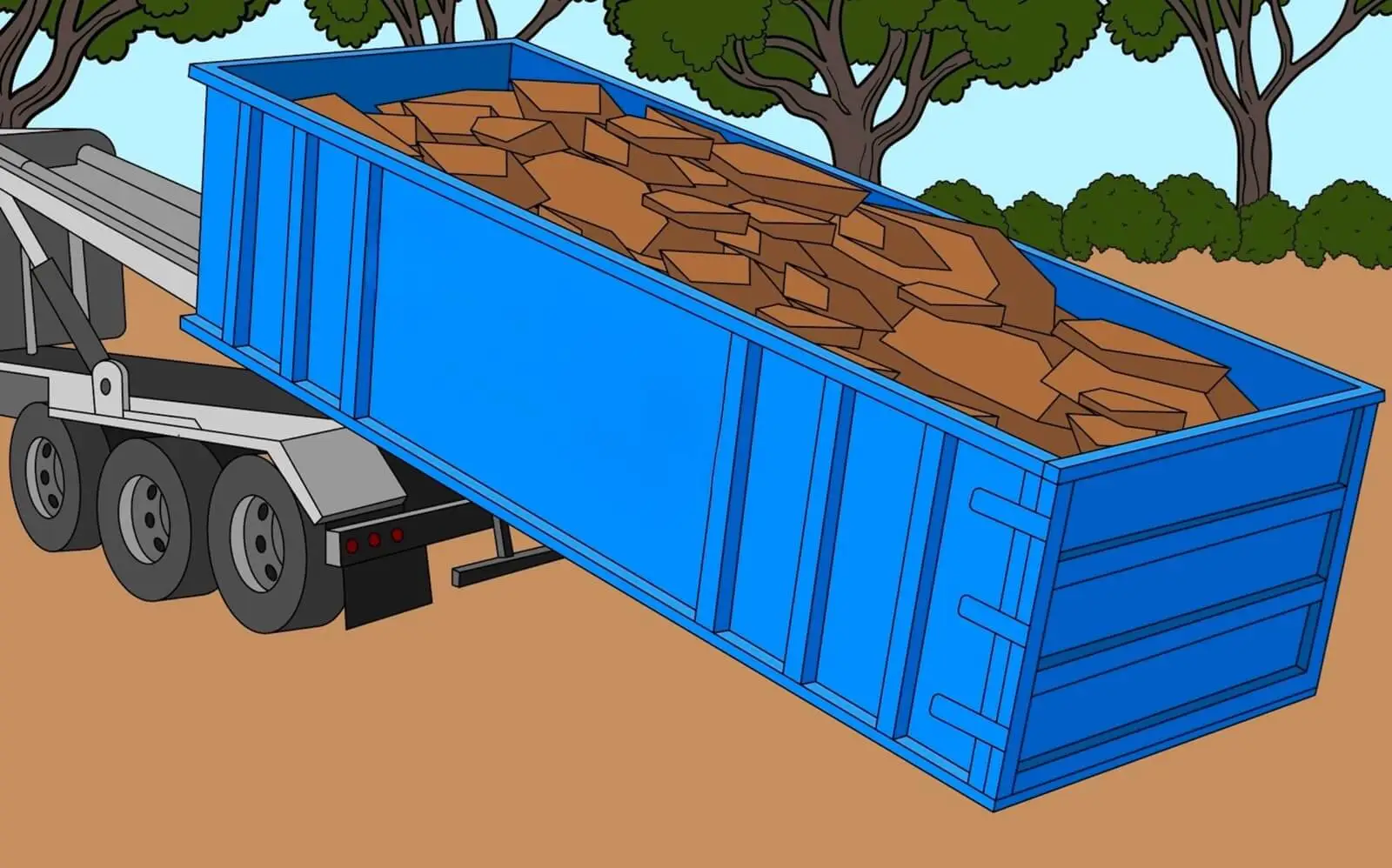
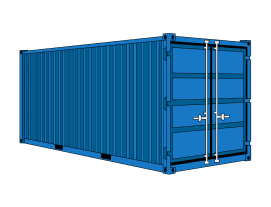
Ordinary construction and household debris loads without trouble. The limits come from Florida's disposal rules and from what the receiving site will take.
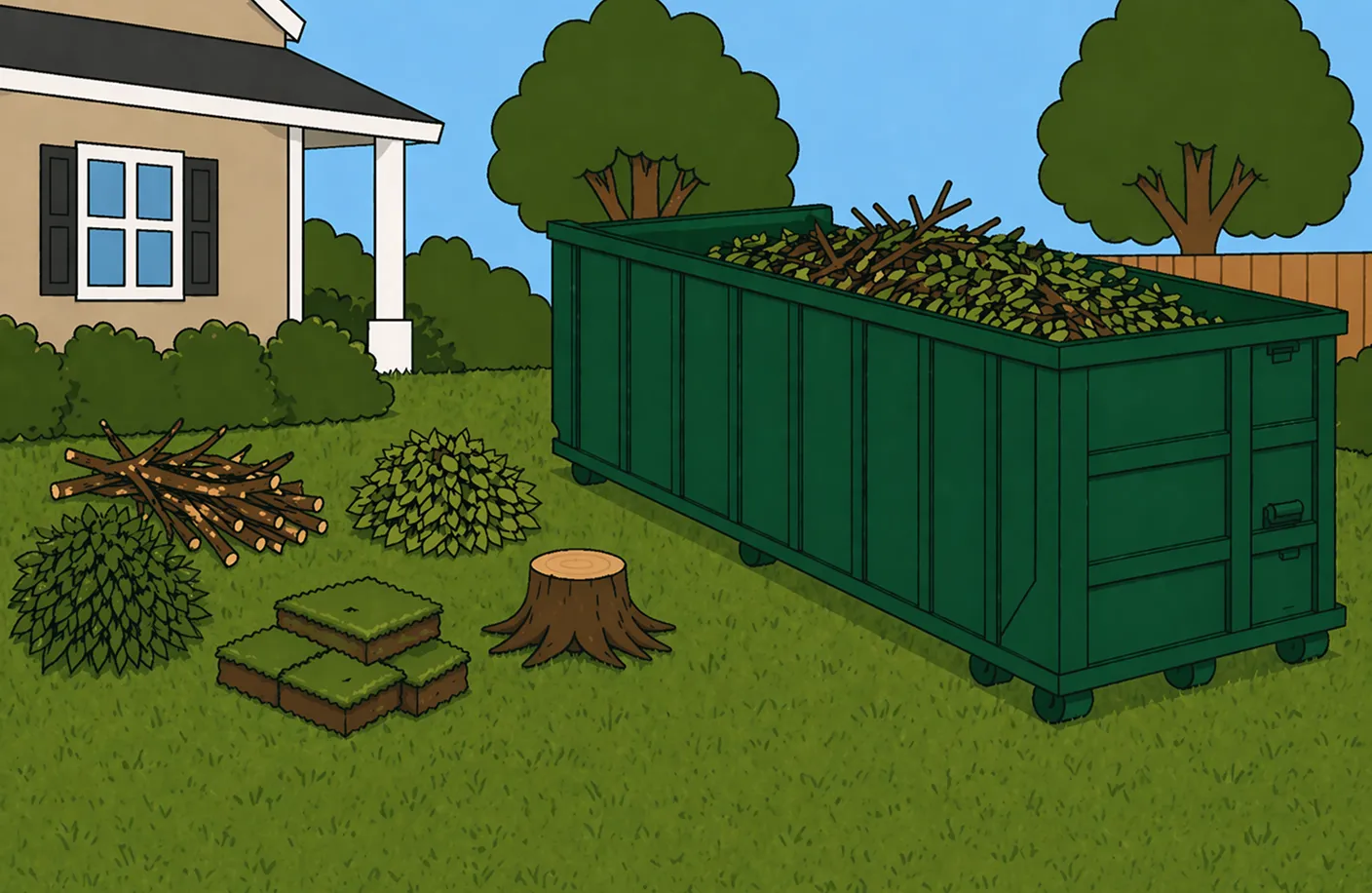
Florida keeps lead-acid batteries out of landfills and out of waste-to-energy plants, bars used oil from disposal, keeps yard trash out of lined Class I landfills, and bars white goods such as refrigerators, freezers, and water heaters.
Nothing hazardous goes in: no liquids, paint, solvents, fuel, or asbestos.
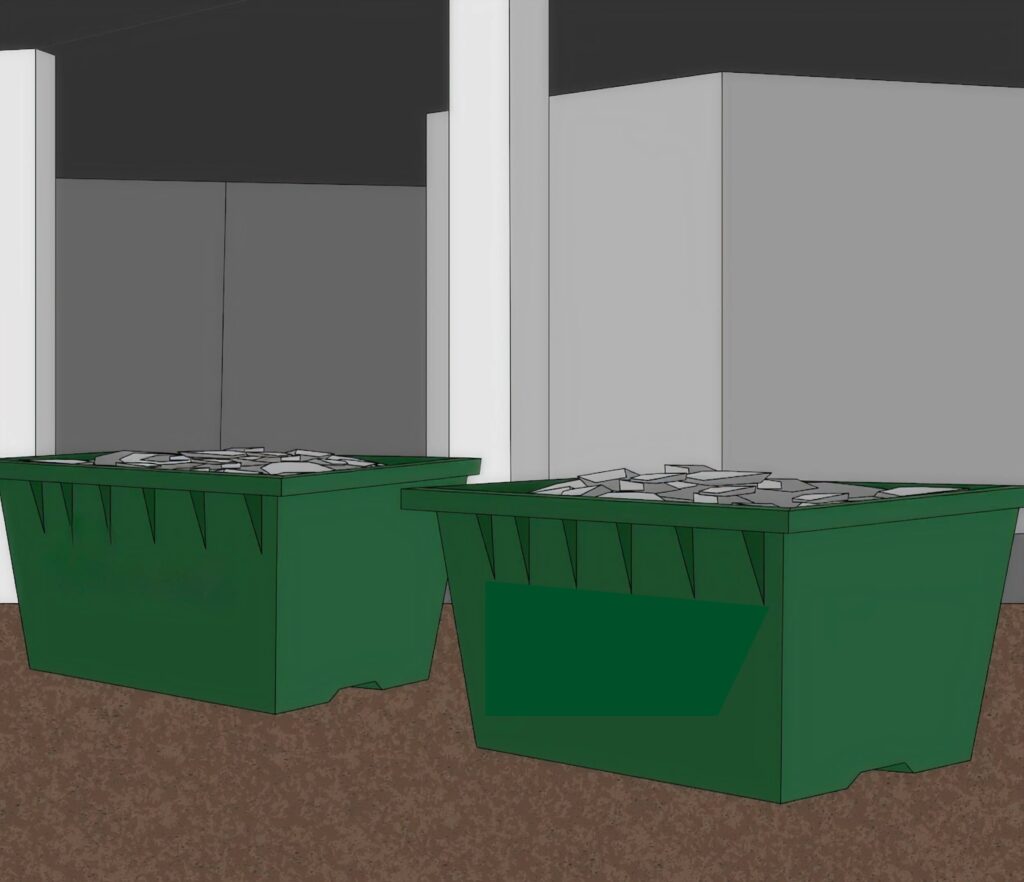
The City is unusually specific about what it will not collect at the curb, and the list is a good guide to what belongs in a container instead: construction or demolition debris, steel and construction materials, glass associated with construction or demolition, pipe, brick, concrete, gypsum wallboard and drywall, and lumber or other renovation debris. The City tells residents to make separate arrangements for all of it, and warns that mixing any of it into a bulk pile can stop the pile being collected at all. The City also puts the duty on paid contractors to remove the debris their own work creates.
If an item sits somewhere between those lists, ask your account manager before it goes in.