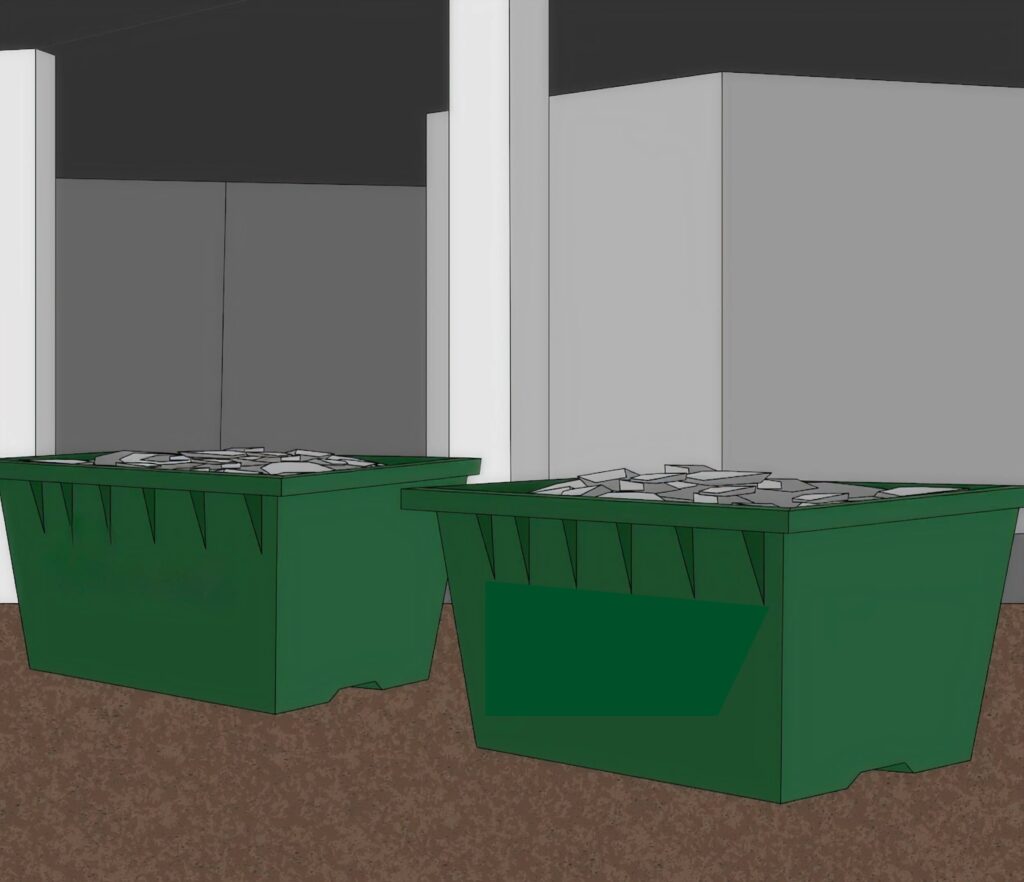
Ordinary remodel, storm repair, and cleanout debris loads without trouble: framing lumber, drywall, plaster, stucco, flooring, roofing tile and shingles, cabinets, doors, windows, furniture, carpet, and cardboard are all fine, and clean concrete and block belong in the smallest unit.
Florida law sets the firm limits, and it writes them at the person who knows or should know what the waste is, which means they reach you as well as us. Lead-acid batteries may not go into a landfill, and they may not go into a waste-to-energy facility either. Used oil may not go into a landfill. And yard trash may not go into a lined landfill of the class the Charlotte County site holds, unless that site runs a qualifying gas-collection system that puts the gas to beneficial use.
Tires are handled separately again. Whole waste tires may not be put in a landfill as a final disposal route in Florida, and the state also makes it unlawful to contract for the transport or disposal of waste tires with a collector who is not registered with the state. So tires come out before loading and get mentioned when you book.
Beyond that, the ordinary exclusions apply to a standard container: no wet paint, solvents, thinners, fuel, pool chemicals, pesticides, asbestos-containing material, or liquids of any kind.
If an item is borderline, a part can of stain, an old water heater, a sealed drum, a pile of palm fronds, ask your account manager before it goes in.