Mon - Sat 7:00 am to 7:00 pm
REQUEST A QUOTE
UNLOCK THE BEST DEALS FOR YOUR DUMPSTER AND PORTA POTTY RENTAL NEEDS!
Mon - Sat 7:00 am to 7:00 pm
Home Areas We Service Dumpster Rental in Illinois
Areas We Service
Prime Dumpster offers dumpster rental across 130 Illinois cities and the towns around them, from Waukegan and Joliet to Springfield and Carbondale. We bring the right container for a garage clean-out, a kitchen remodel, a construction site or a federal contract job.
Your price comes down to a few local details. The container size, the debris you load, whether the box needs a street permit and the landfill that takes the load all count.
This page walks through Illinois price ranges, permit rules, banned materials and disposal sites, so you can plan the job with fewer surprises.
cities served in Illinois
10–40
yard containers available
5 days
standard rental period
The prices below reflect general ranges for a standard five-day rental period. Your account manager will confirm tonnage, overage rates, and other specifics before you book.
| Size | Average Price Range | Approximate Dimensions | Common Price Factors |
|---|---|---|---|
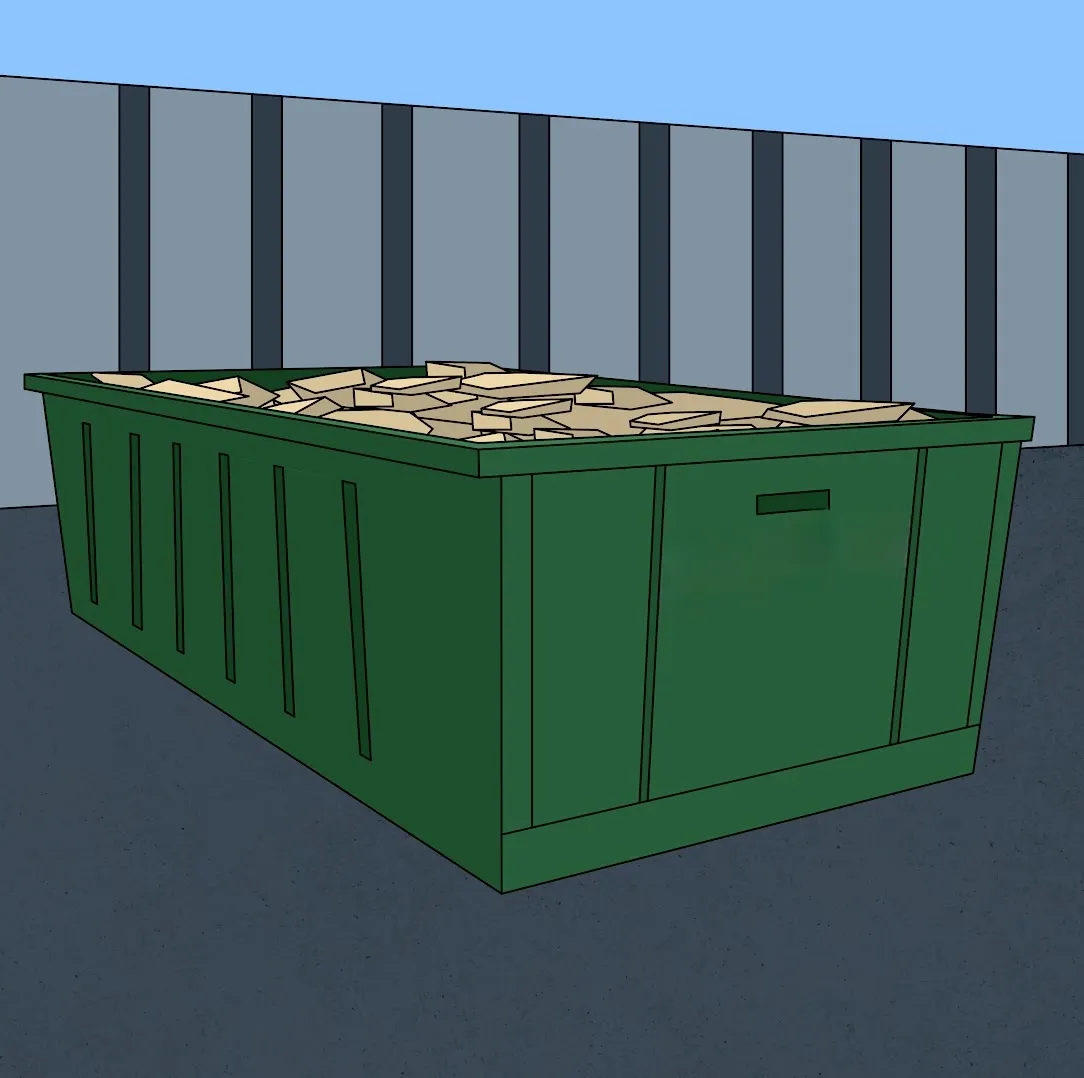
| 10-Yard Dumpster | $399–$499 | 12' L × 8' W × 3.5' H | Debris weight; heavy materials like concrete reach limits quickly |
| 15-Yard Dumpster | $449–$569 | 16' L × 7.5' W × 4–5' H | Debris mix; combined light and heavy materials affect disposal fees |
| 20-Yard Dumpster | $499–$649 | 22' L × 7.5' W × 4.5' H | Landfill distance; out-of-county loads may carry higher tipping fees |
| 30-Yard Dumpster | $599–$799 | 22' L × 8' W × 6' H | Debris volume; longer rental periods may apply for larger projects |
| 40-Yard Dumpster | $699–$899 | 22–24' L × 8' W × 8' H | Project scope; commercial and demolition loads vary widely by material |
Each rental follows the same three steps. We deliver the container, you fill it during the rental period, and we pick it up and haul the load away. Your project details then shape the final quote.
Size, debris type, rental length and job location carry the most weight. Shingles, plaster and concrete use up a weight allowance quickly, and extra days add to the total.
The landfill matters too. Each Illinois site sets its own tipping fees, and those fees flow into your quote. In this state, the county a load comes from can move the per-ton rate as much as the material does.
Two examples of how county disposal differs in practice:
So a load that crosses a county line can cost a lot more to dump, especially at Prairie Hill. Keeping clean concrete apart from mixed debris can also save money where a site prices it separately.
Fees change, so check the county's official page before you plan around a figure. Your account manager can confirm which landfill serves your address and explain what will move your final quote.
Placing a container on your own driveway or private lot usually doesn't call for a permit. Once any part of it sits on a public street, alley or sidewalk, you need approval from whoever maintains that road. Get it before delivery day.
Illinois doesn't issue a statewide dumpster permit. The office you deal with depends on who owns the road:
Villages around Chicago each set their own terms, and some review applications by hand. Your account manager can find the right permit office for your street before delivery is booked.
Most debris from a home project or job site can go straight into the container. The limits come from what each landfill is permitted to accept, and those permits follow rules set by the Illinois Environmental Protection Agency.
Illinois bans several everyday items from its landfills. Refrigerators, water heaters and air conditioners can't be buried until parts like mercury switches and refrigerant are removed. Lead-acid car batteries, liquid used motor oil and yard waste such as grass, leaves and brush are banned as well. State law also keeps televisions, computers and many other electronics out of the trash.
Tires are barred too and must go to a permitted tire recycling or disposal site. One banned item can get a whole load refused, so sort before you fill.
Like landfills everywhere, Illinois sites refuse hazardous waste and free liquids. Friable asbestos goes only to a site approved to take it.
Some sites add their own limits. The Peoria Transfer Station also turns away oil-based paint and lithium-ion batteries, and Prairie Hill Landfill won't take yard waste mixed into refuse.
Have electronics, tires, appliances or anything else you're unsure about? Ask your account manager where it should go before it lands in the container.
Illinois disposal runs through county-owned landfills, private landfills and transfer stations. The site that takes your debris depends on where the project is.
Prairie Hill Landfill sits at 18762 Lincoln Road in Morrison and serves Whiteside County. It's open from 7 a.m. to 3 p.m. on weekdays, and its phone number is 815-772-7308.
Peoria County sends construction debris to the Peoria Transfer Station on West Southport Road. It opens at 7 a.m. on weekdays and Saturdays.
In the Quad Cities, the Rock Island County Waste Management Agency lists two landfills that take household waste and construction debris. Quad Cities Landfill is at 13606 Knoxville Road in Milan, and Upper Rock Island County Landfill is in East Moline. Both give prices by phone.
The Illinois EPA permits the state's landfills and collects fees from their operators. Large sites pay a Solid Waste Fee of $2.00 per ton and a Subtitle D Fee of $0.22 per ton, and those costs are built into what each landfill charges.
When you book, your account manager confirms the site that will take your load and any material limits it sets.
13606 Knoxville Road, Milan, IL 61264
Monday - Friday 7:00 a.m. - 4:00 p.m., Saturday 7:00 a.m. - Noon. Call for pricing.
17201 - 20th Avenue N., East Moline, IL 61244
Monday - Friday 7:00 a.m. - 4:00 p.m. Call for pricing.
locations served across Illinois
A standard five-day rental in Illinois generally runs $399–$499 for a 10-yard dumpster and $699–$899 for a 40-yard. The final figure depends on the container size, the debris you load and the county landfill that receives it. Your account manager confirms tonnage and overage rates before you book.
Not from the state. A container on your driveway or private lot normally needs nothing. On a public road you need approval from whoever maintains it, which means an IDOT district office for a state route or the city or village for a local street. Your account manager can find the right office.
Hazardous waste, free liquids, used motor oil, lead-acid batteries, yard waste, tires, electronics such as TVs and computers, and appliances that still hold refrigerant or mercury switches. Illinois bans these from landfills, so a single one can get a full container turned away.
Each landfill sets its own rates, and many charge more for waste from outside the county. Whiteside County's Prairie Hill Landfill charges far more for out-of-county refuse, while Knox County adds a smaller surcharge and takes clean concrete free. Your account manager can explain what applies to your load.
No. Illinois law bans used tires from landfills, so they can't travel with general debris and need a permitted tire recycling or disposal site. Set them aside and ask your account manager where they can go before the container is loaded.
Yes. Illinois charges landfill operators state fees on the waste they receive, and large sites pay by the ton. Those fees are part of the rate a landfill sets rather than a separate line on your bill. Your account manager can explain how disposal costs apply to your load.

Find everything you need for your dumpster rental, from sizing and pricing to permits.

Our guide includes updated price ranges, cost factors, and ways to save.

Estimating the weight of your debris helps you save money and time when renting dumpsters.
Pair your dumpster rental with other services in your area
Give us a call today so we can help you find the right waste & sanitation solution for your project!