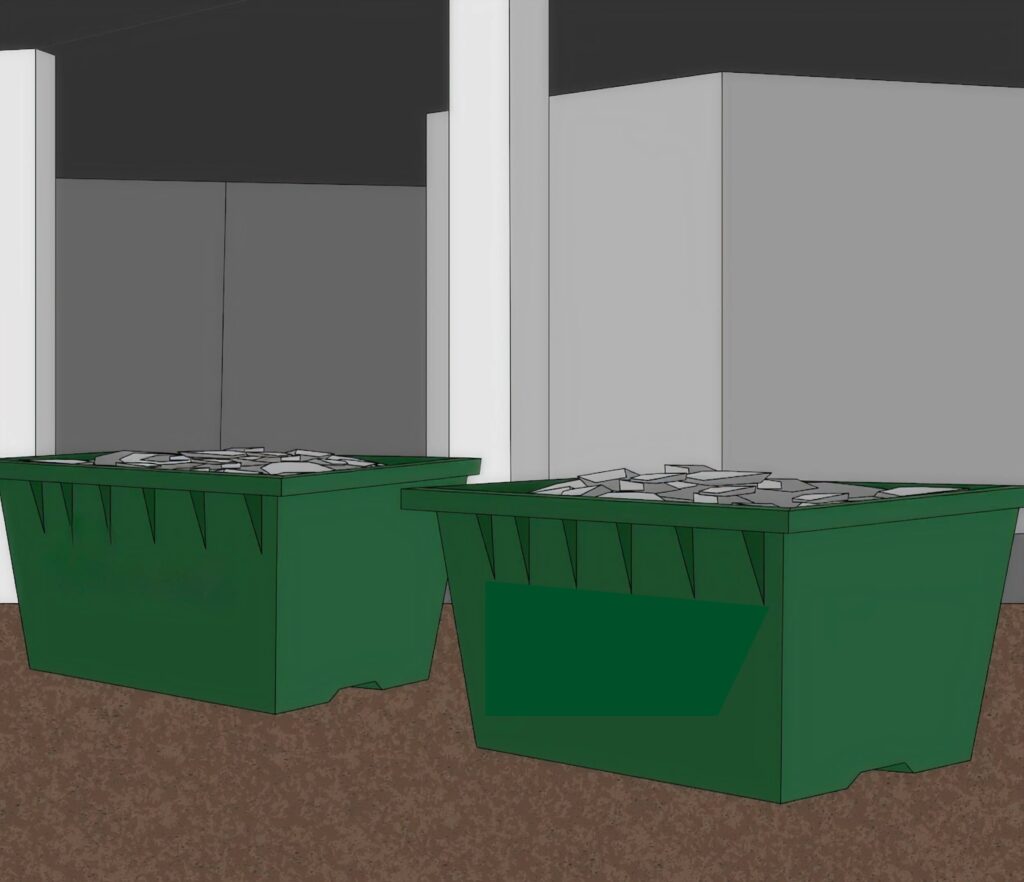
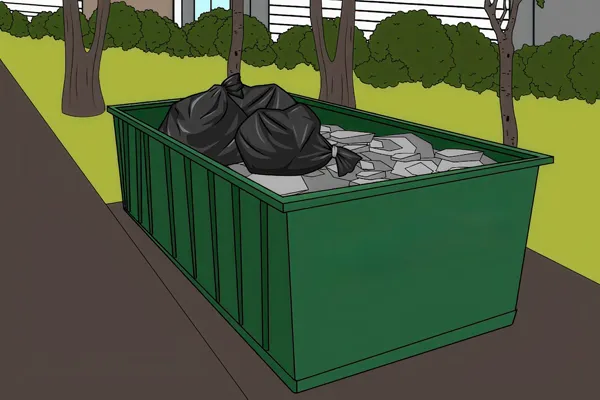
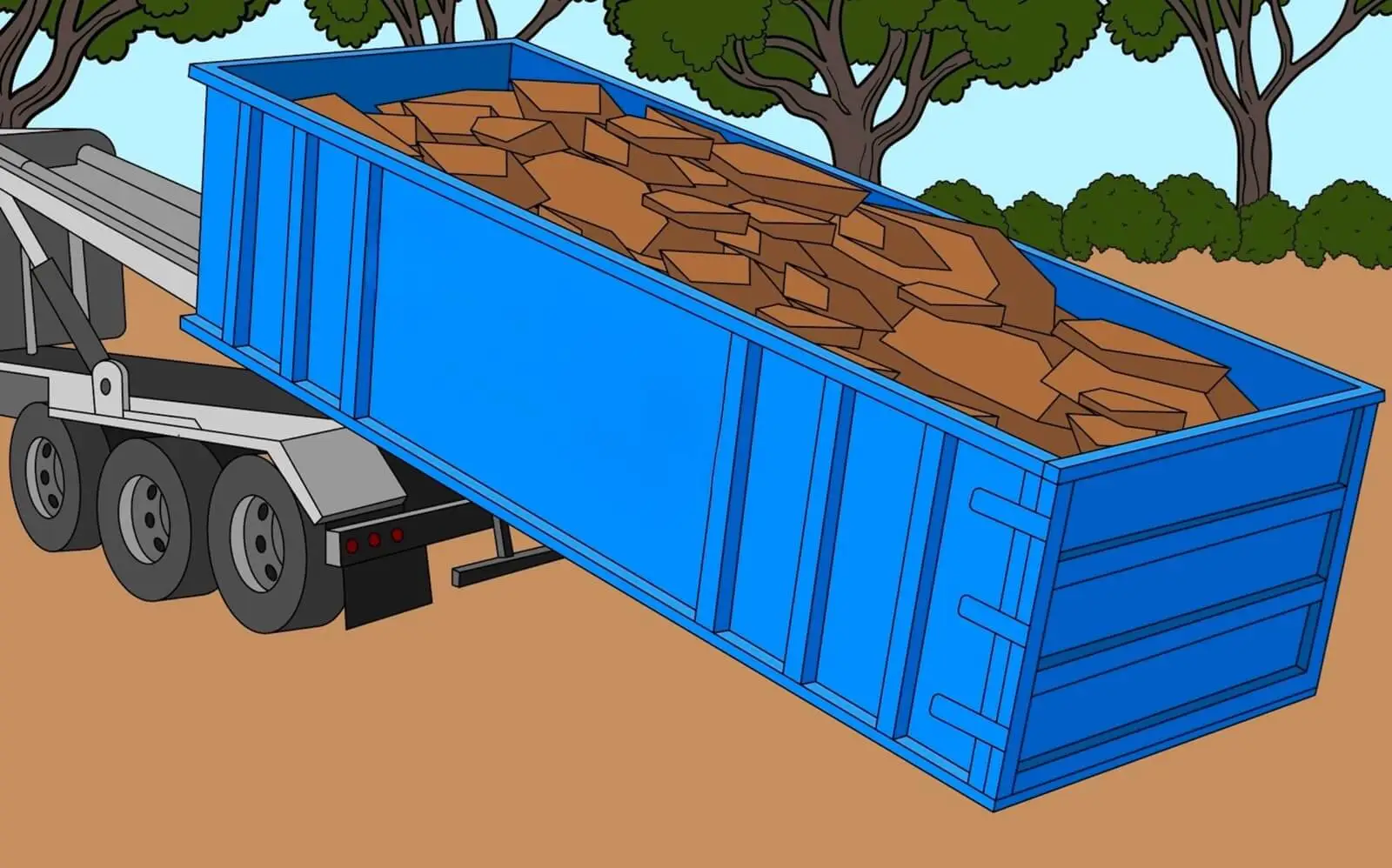
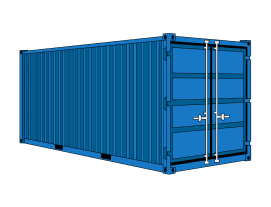
Ordinary renovation and cleanout debris loads without trouble: lumber, drywall, plaster, stucco, flooring, roofing, cabinets, doors, furniture, carpet and cardboard are all fine, and clean concrete, brick and tile go in the smallest unit.
The hard limits come from the receiving site, and hazardous and liquid waste are refused at both. So no paint, solvents, thinners, fuel, motor oil, pool chemicals, pesticides, asbestos-containing material, batteries or liquids of any kind.
Montebello also sets a residue limit, and it matters if you plan a clean load rather than a mixed one. A recycler working here under a city business license may carry no more than ten percent residual waste. So a container sold as clean concrete or clean metal has to stay clean to count.
One more practical point. The city's diversion requirements on franchised haulers count construction and demolition debris towards a fifty percent annual target, with a forty percent floor in any quarter. That is why sorting the load matters commercially here and not only legally.
Where something sits on the line, old fuel cans, a sealed drum, a flat-screen television, ask your account manager before the container is loaded.