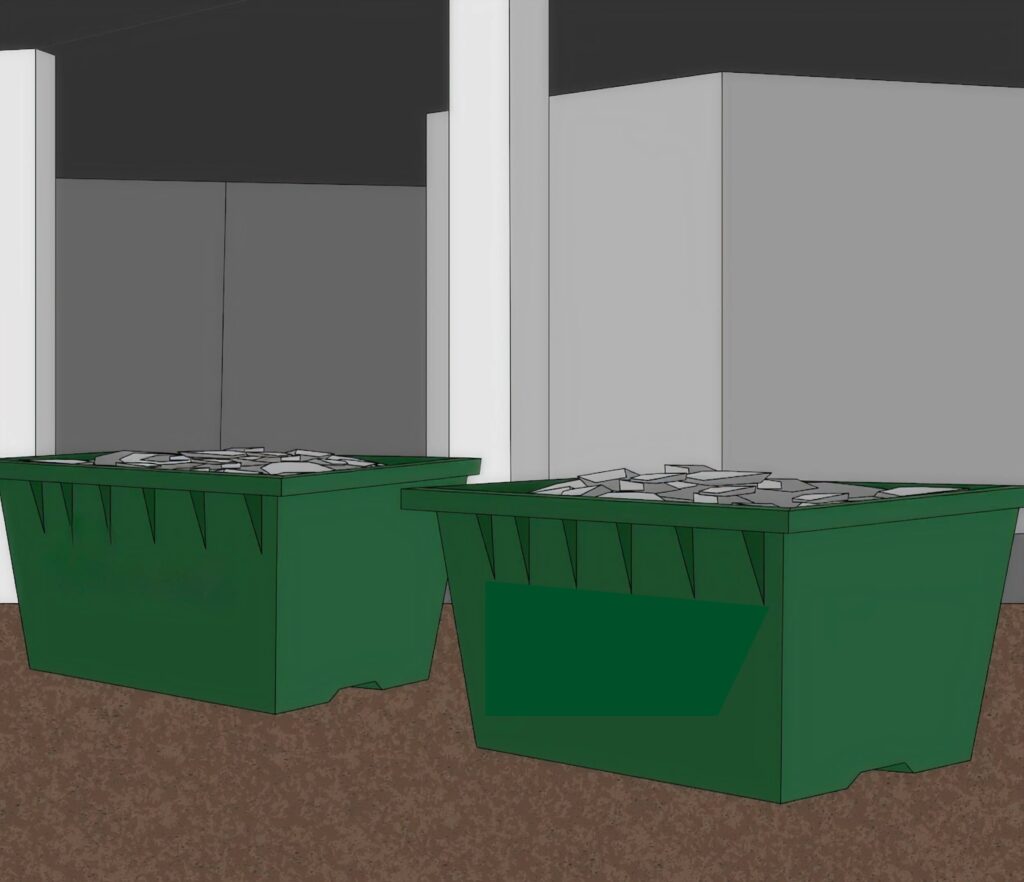
Ordinary construction and household debris is fine. The limits come from California's hazardous and universal waste rules and from what the county landfill will take.
California classifies eight types of material as universal waste: batteries, electronic waste, cathode ray tubes and their glass, lamps, mercury waste, aerosol cans that are not empty, and solar panels. As the state toxic substances department puts it, those items cannot go in household trash or into a landfill at all. They have to reach a designated handler or recycler.
Riverside County's landfills are permitted for non hazardous waste only, and the county list of what they will not take includes hazardous waste, any load with more than one percent friable asbestos, fuels, cleaners, degreasers, oils, pesticides, acids and paints, explosives, chemically treated wood, and liquids over half moisture content. Loads are inspected at random on arrival.
Some items are accepted but have to be kept separate rather than buried, including large metal items, appliances, electronics, tires and mattresses. Soil loads over twenty tons need approval in advance. A demolition job may also need an asbestos survey and a notification to the air district before work starts.
City code is blunt about the curb: building materials of any kind, trees, logs, sod, dirt and rocks are not picked up on regular collection. For a remodel or a cleanout, a container is the route.
When an item is borderline, ask your account manager before it goes in. One banned item can get a whole load rejected at the gate.