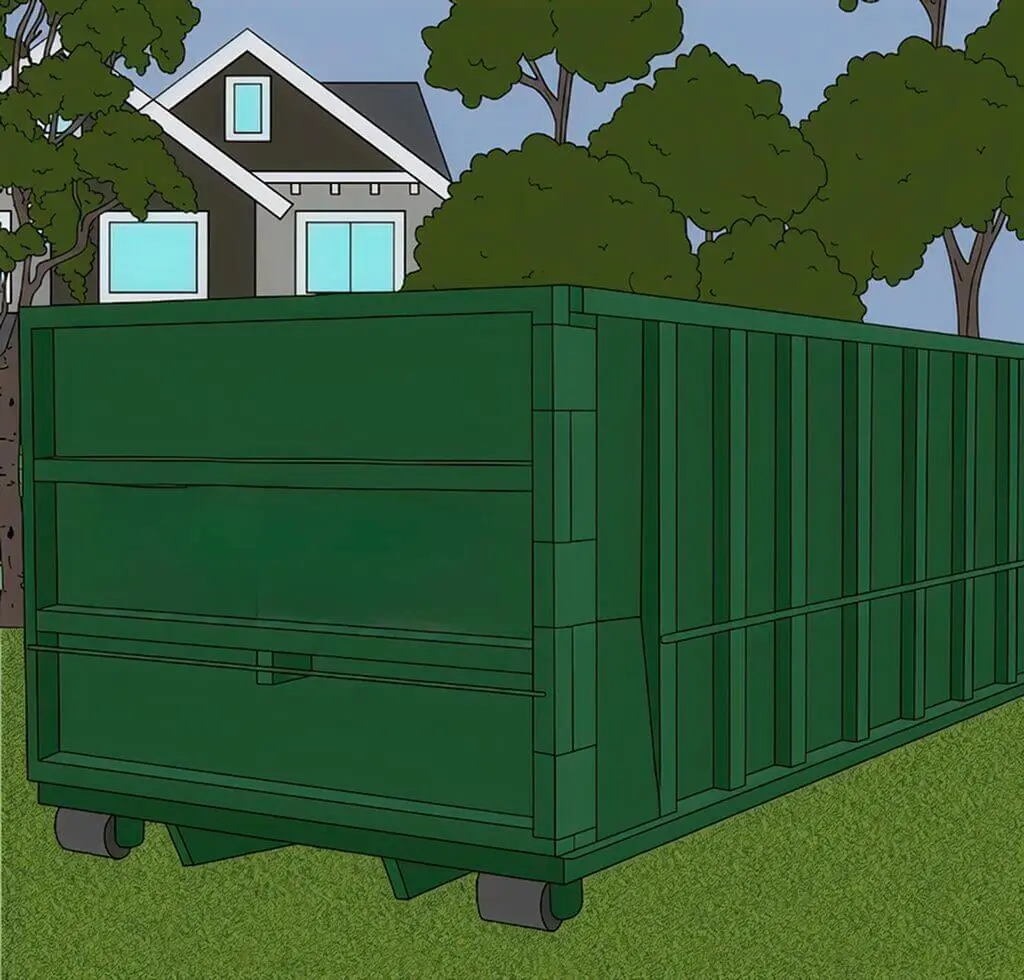
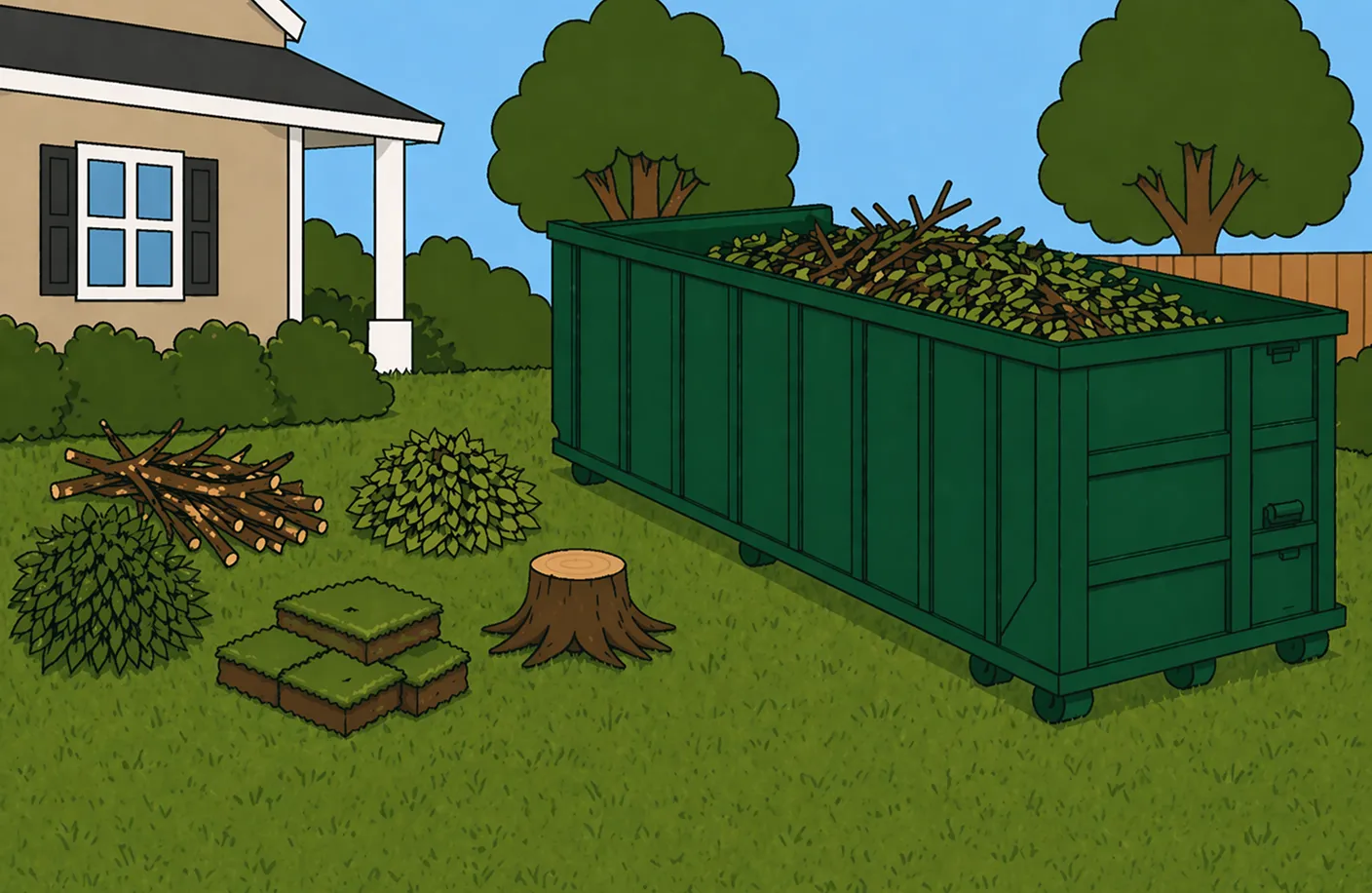
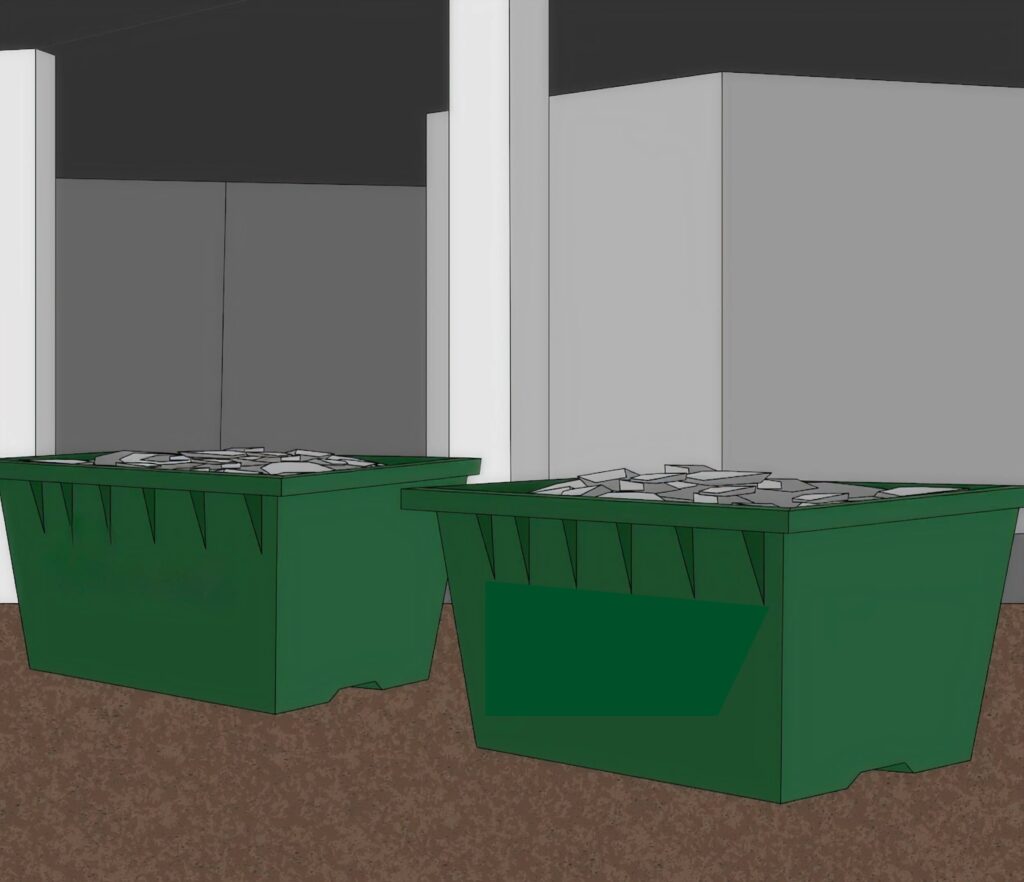
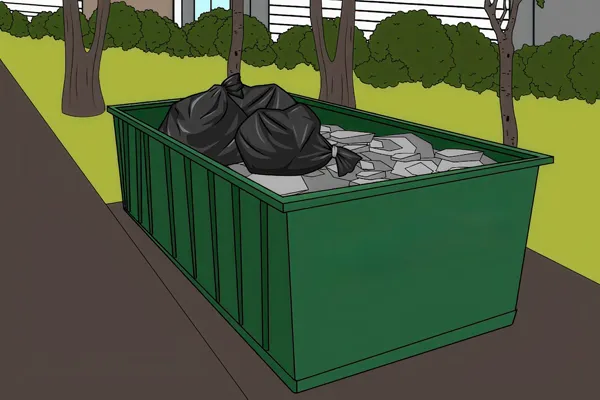
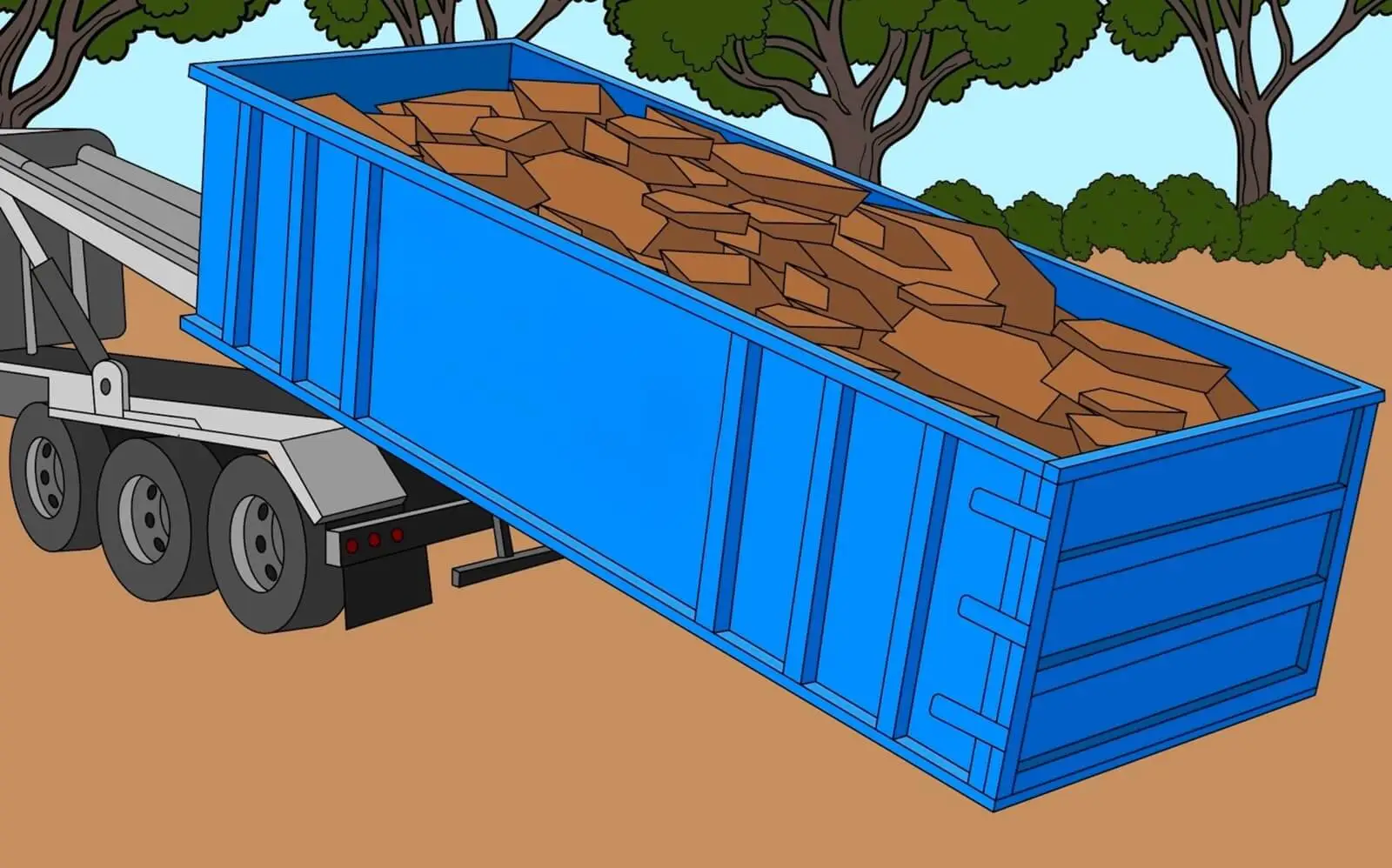
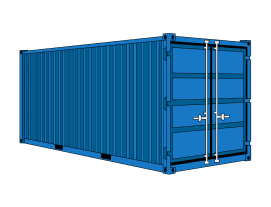
Lumber, drywall, stucco, roofing, flooring, carpet, shelving, cabinets, fixtures, furniture, and general cleanout debris are all fine in a roll-off container.
The firm limits are statewide. CalRecycle is blunt about it: putting hazardous waste in the garbage, down storm drains, or onto the ground is illegal. That list reaches paint of both kinds, solvents, pesticides and herbicides, pool chemicals, acids and oxidizers, antifreeze, motor oil and filters, every type of battery including car batteries, fluorescent and metal halide lamps, and LED lights. Propane tanks and other compressed gas cylinders are out, and tires are banned for mosquito and fire reasons rather than toxicity.
Two building materials catch Union City jobs specifically, and both are California rules rather than local ones. Treated wood, the preserved lumber used in decks, fences, and raised beds, has to be managed as hazardous waste in this state and cannot travel in a standard container. Asbestos appears in the 1960s and 1970s housing stock here in floor tile and its adhesive, in pipe lagging, and in older siding, and it needs a licensed abatement contractor rather than a container.
Liquids of any kind stay out, and that is worth saying twice on an industrial site, where drums and part-used product are the most common reason a load gets refused at the gate.
Tell your account manager what the job involves when you book and the separate route for anything unusual gets arranged alongside the container.