The city's own excluded waste list is the clearest guide. It covers hazardous substances and hazardous waste, infectious and medical waste, designated waste, volatile and corrosive material, regulated radioactive waste, and toxic substances, along with anything a receiving facility reasonably believes it cannot lawfully accept. That last part matters: the facility's permit conditions can bar an item even when nothing else does.
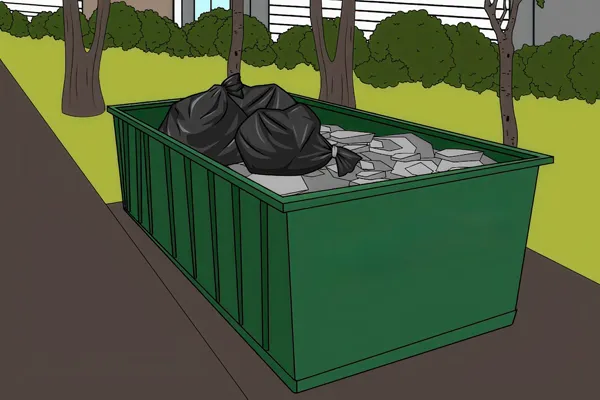
In practice that means no paint, solvents, fuel, motor oil, pool chemicals, automotive fluids, batteries or asbestos. Electronics and appliances need to be handled separately. Anything that would count as waste a Class III landfill cannot take has to stay out of the container.
Burning debris on site is barred as well, except under a permit from the regional air district and with the fire chief's agreement. Leaving debris on a street, in a park or on any other public property is also barred outright.
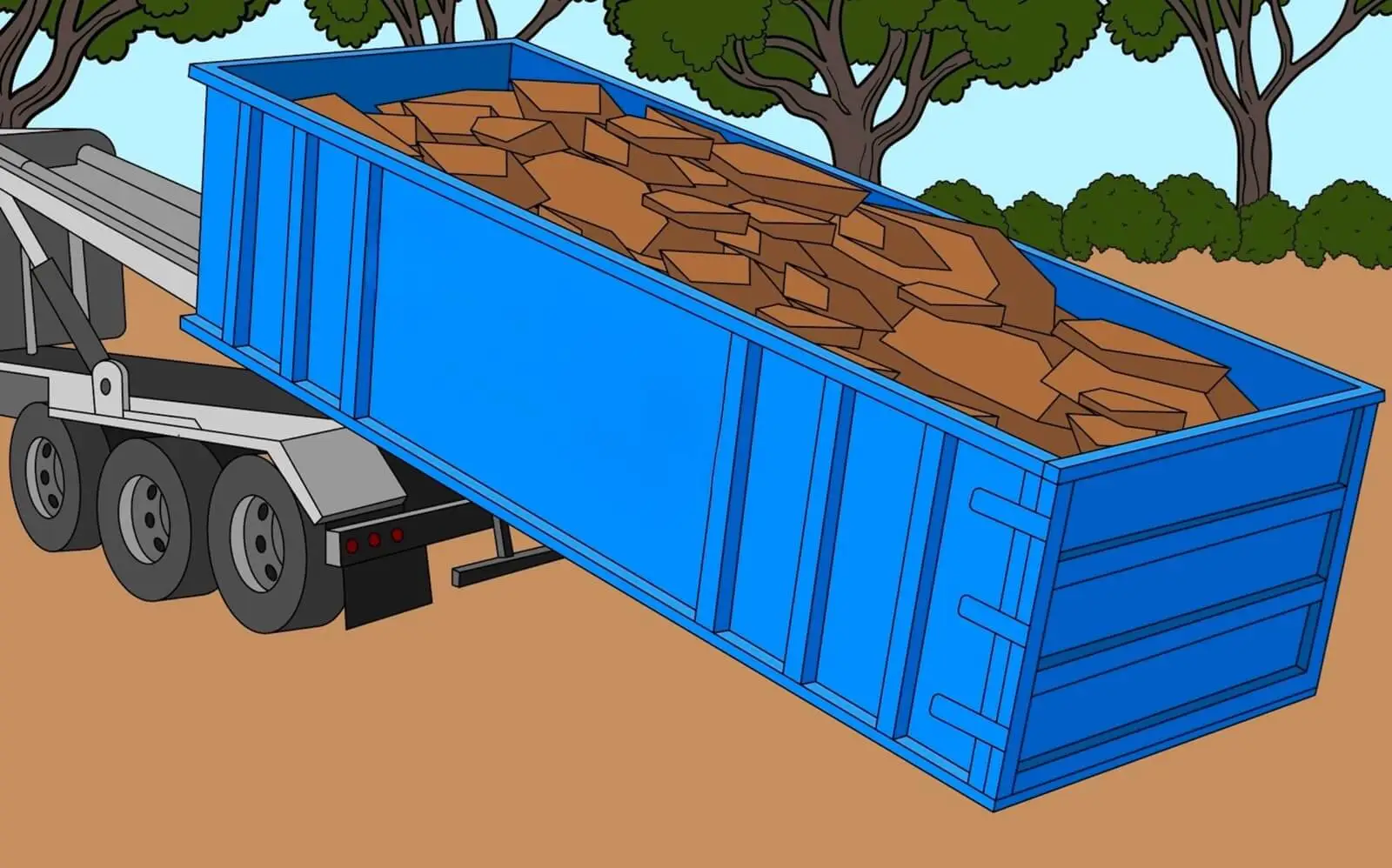
Soil is the one people get caught by. Excavated soil from a Saratoga project has to be diverted in full rather than landfilled, so a dirt load needs its own container and its own destination.
Ask your account manager about anything you are not sure of before it goes in. Here the cost of a wrong item is not just a rejected load, it is a gap in the diversion paperwork.