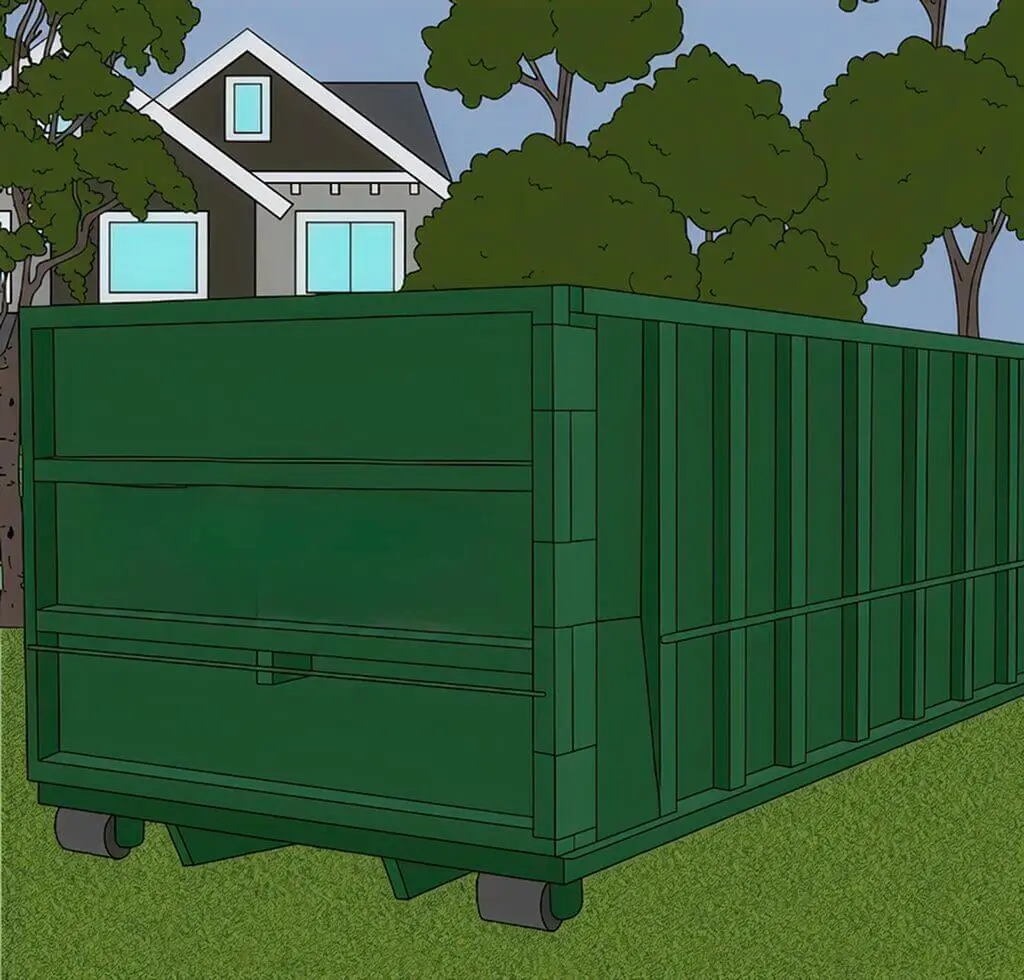
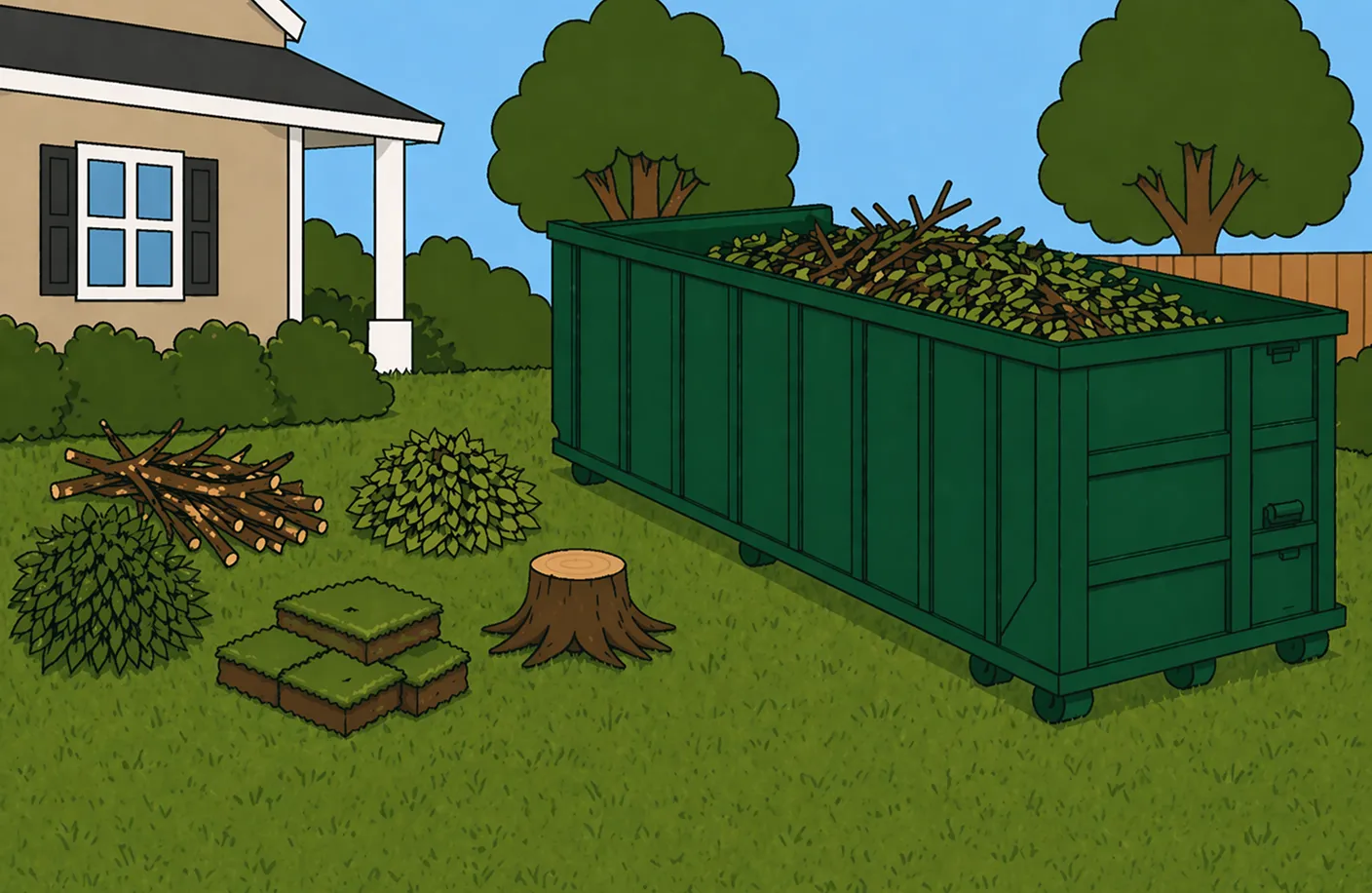
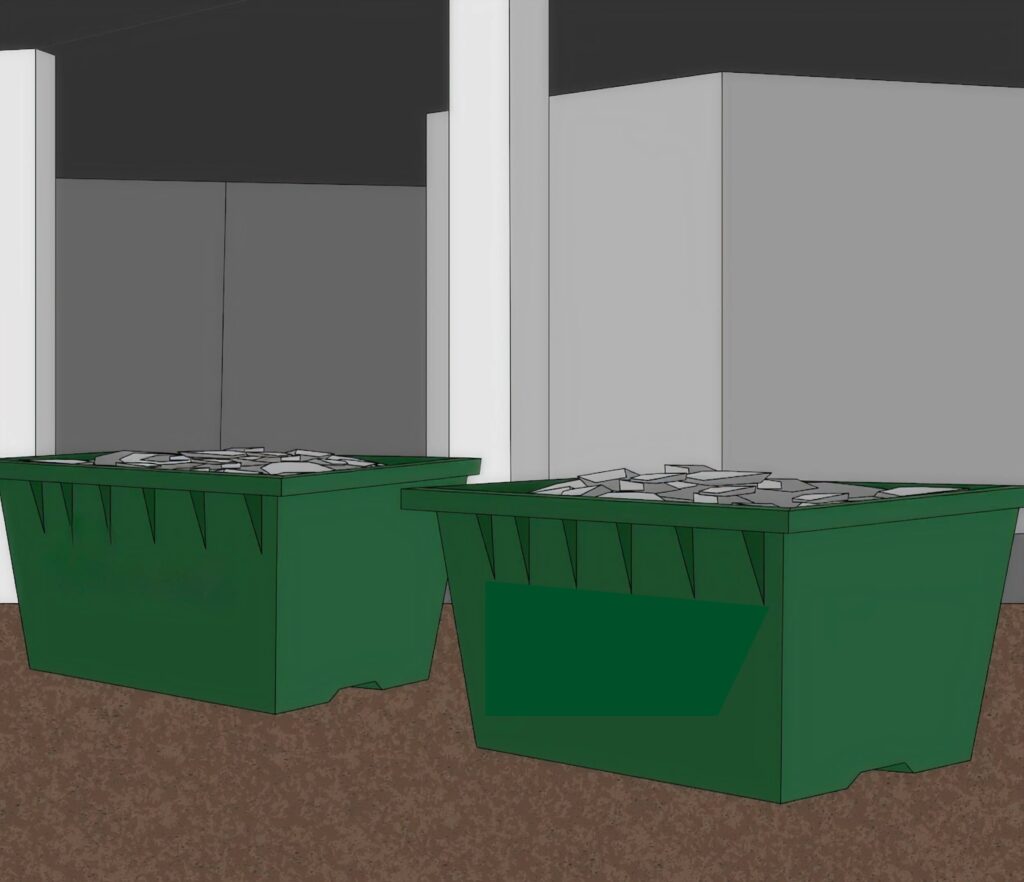
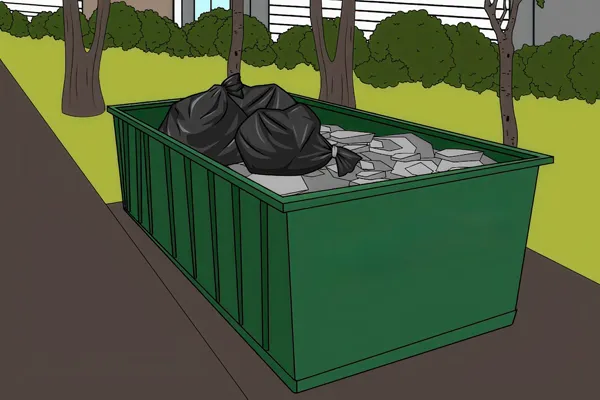
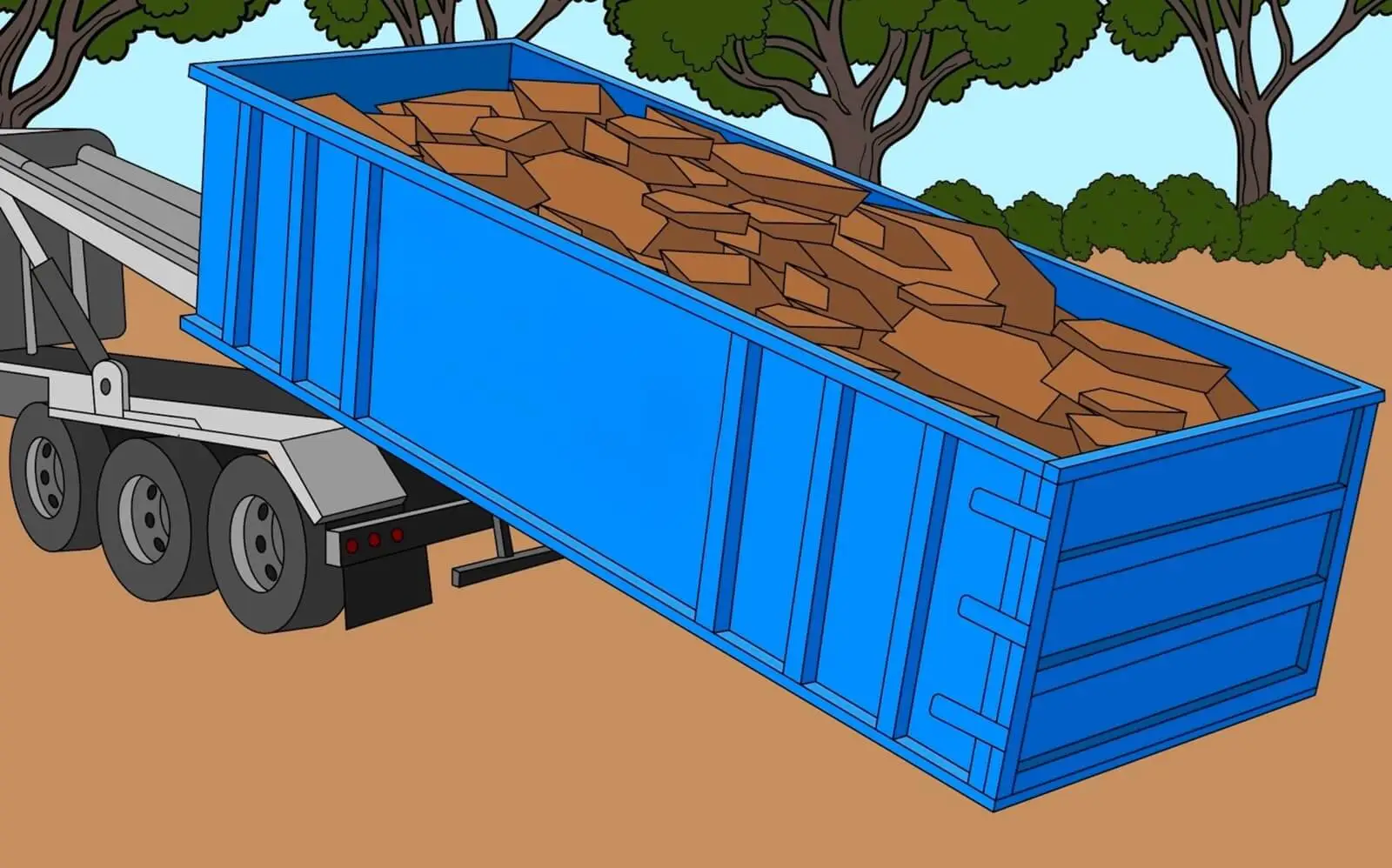
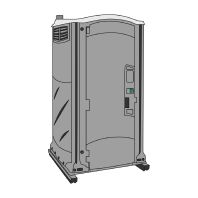
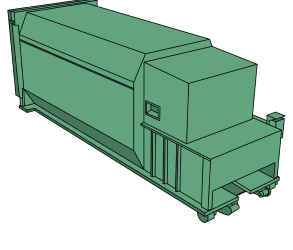
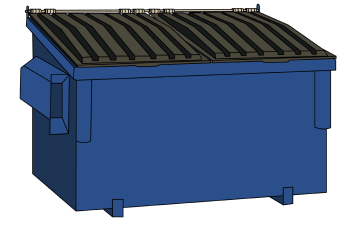
Lumber, drywall, roofing, flooring, carpet, cabinets, fixtures, sheet metal, furniture and general cleanout debris are all ordinary roll-off material.
The city cart list is the local starting point, and it is worth reading as a demand signal rather than a restriction. Wasco asks residents to keep bricks, chemicals, concrete, construction materials, earth, engine or auto parts, gravel, lumber, metal, mortar, oils, paints, sand, silt and stones out of the trash containers. The City also says plainly that waste oil, paint or regulated chemicals put into a trash container will be reported to the proper authorities.
The hard limits are statewide. CalRecycle states that putting hazardous waste in the garbage, down storm drains or onto the ground is illegal. That reaches paint of both kinds, solvents, pesticides and herbicides, acids and oxidizers, antifreeze, motor oil and filters, every type of battery, and fluorescent and metal halide lamps. Propane tanks and other compressed cylinders are out. Tires are banned too, for fire and mosquito reasons.
Two building materials catch California jobs specifically. Treated wood, the preserved lumber in fencing, decks and raised beds, has to be managed as hazardous waste in this state. On a Wasco farm property that is a common item. Asbestos turns up in the older housing and in agricultural buildings, in cement board, pipe lagging and sheet flooring, and it needs a licensed abatement contractor.
Agricultural chemical containers deserve their own mention here. They need a dedicated collection route and never belong in a roll-off container.
Mention anything unusual to your account manager at booking and the separate route gets arranged alongside the container.